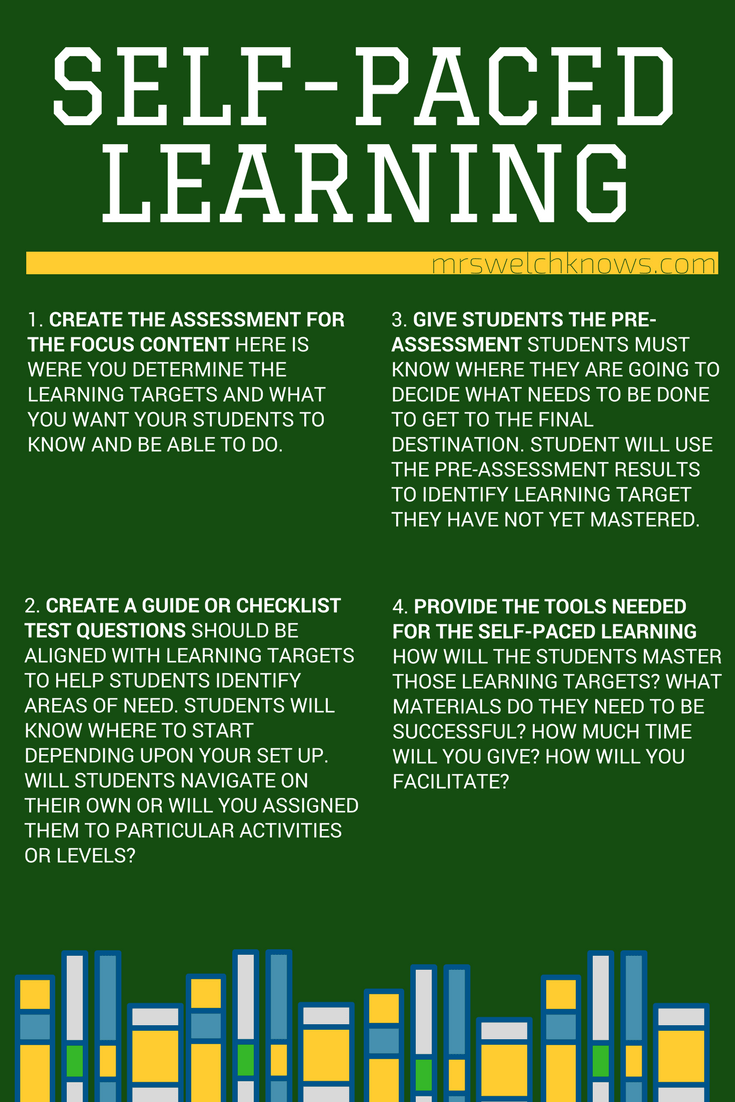
Self-paced learning is an increasingly popular method of education that allows individuals to take control of their own learning journey. It offers flexibility and the opportunity to learn at one’s own pace, but it also comes with its fair share of challenges. In this article, we will explore some common obstacles faced by self-paced learners and provide strategies for overcoming them.
One significant challenge in self-paced learning is maintaining motivation and discipline. Without the structure of a traditional classroom setting, it can be easy to procrastinate or lose focus. To tackle this challenge, it is crucial to set clear goals for yourself and establish a schedule or routine. Break down your learning material into smaller tasks or modules, making it easier to track progress and stay motivated.
Another hurdle often encountered in self-paced learning is the lack of accountability. Without regular interactions with teachers or peers, there may be no external pressure to complete assignments or keep up with the curriculum. To overcome this obstacle, consider finding an accountability partner or joining online communities where you can connect with fellow learners pursuing similar goals. Sharing your progress and discussing challenges can help create a sense of community and foster accountability.
Time management is also a critical aspect of successful self-paced learning. With no fixed deadlines or class schedules, it becomes essential to prioritize tasks effectively. Start by identifying your most productive hours during the day and allocate them towards focused studying or completing assignments. Use time management tools such as calendars or task managers to plan out your daily/weekly objectives.
Additionally, dealing with complex content on your own can pose difficulties in self-paced learning. When encountering challenging concepts that are hard to grasp independently, seek alternative resources like video tutorials, online forums, or even virtual study groups where you can interact with experts or experienced learners who might offer guidance.
Lastly, staying committed throughout the entire duration of a course can be demanding when pursuing self-paced learning independently. It’s not uncommon for individuals to start strong but lose momentum over time. To combat this, remind yourself of the reasons why you embarked on self-paced learning in the first place. Reflect on your long-term goals and the benefits that come with achieving them. Celebrate small milestones along the way to maintain motivation and keep pushing forward.
In conclusion, while self-paced learning offers numerous advantages, it also presents challenges that require proactive strategies for success. By implementing effective goal-setting techniques, fostering accountability, managing time efficiently, seeking additional resources when needed, and staying committed to your objectives, you can overcome these obstacles and make the most out of self-paced learning opportunities. Remember that everyone’s journey is unique, so be patient with yourself and embrace each challenge as an opportunity for growth.
 Alternative Amie
Leave a comment