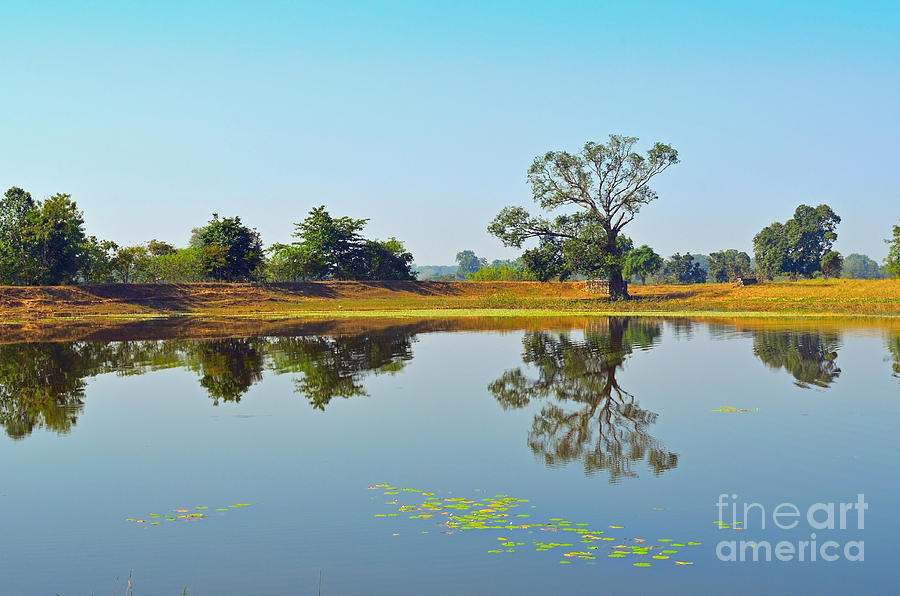
Lakes: Nature’s Classroom for Alternative Education
When it comes to alternative schooling and education, there is no shortage of unique learning opportunities. One such opportunity lies in the serene and captivating beauty of lakes. Lakes offer a wealth of experiential learning experiences that go beyond the traditional classroom setting. From science and ecology to physical education and personal development, lakes provide an ideal backdrop for holistic learning.
Science takes on a whole new dimension when explored in the context of a lake ecosystem. Students can witness firsthand how various life forms coexist and adapt to their environment. They can study the different species of fish, birds, plants, and other aquatic organisms that inhabit these bodies of water. By observing these interactions up close, students gain a deep understanding of ecological systems and biodiversity.
Additionally, lakes serve as excellent natural laboratories for conducting experiments related to chemistry, physics, and geology. Through hands-on activities like water testing or sediment analysis, students can learn about concepts such as pH levels, water quality indicators, erosion processes, or even the formation of different types of rocks found near lakeshores.
Beyond scientific exploration lies another important aspect: physical education. Lakes provide ample opportunities for engaging in outdoor activities that promote fitness while fostering teamwork and cooperation among students. Water sports like canoeing or kayaking not only improve cardiovascular health but also teach valuable skills such as balance control and coordination.
Moreover, lakes offer spaces for swimming which is not only fun but also promotes overall well-being by enhancing strength and endurance while providing relaxation amidst nature’s tranquility. Students’ physical prowess can be further enhanced through hiking around lake trails or participating in environmental restoration projects like tree planting or shoreline cleanup.
In addition to academic subjects taught within schools’ structured curricula, alternative education emphasizes holistic development – nurturing emotional intelligence and personal growth alongside intellectual pursuits. Immersion in nature has been proven to have numerous mental health benefits including stress reduction and improved focus.
Spending time at lakes allows students to practice mindfulness and self-reflection. They can find solace in the stillness of the water, observe the gentle ripples created by a passing breeze, or simply sit and listen to the soothing sounds of nature. Such contemplative moments foster self-awareness and emotional well-being.
Moreover, lakes provide opportunities for environmental activism and community engagement. Students can learn about sustainability practices like responsible water usage or promoting recycling efforts to protect these fragile ecosystems. By actively participating in lake conservation projects, they develop a sense of responsibility towards preserving our planet’s natural resources.
In conclusion, lakes offer alternative education settings that are both educational and inspiring. They serve as living classrooms where scientific concepts come alive while nurturing physical fitness, emotional well-being, and environmental consciousness. Lakes have an innate ability to captivate young minds with their beauty while providing invaluable learning experiences that go beyond textbooks. So next time you’re considering alternative schooling options or looking for ways to enrich your child’s education journey, remember that nature’s classroom is just a step away at your nearest lake!
 Alternative Amie
Leave a comment