Cultural Diversity in Bilingual Classrooms
In today’s globalized world, cultural diversity is becoming increasingly prevalent. This diversity is reflected not just in our communities, but also in our classrooms. Bilingual education programs have become a popular way to embrace and celebrate this cultural diversity while providing students with valuable language skills.
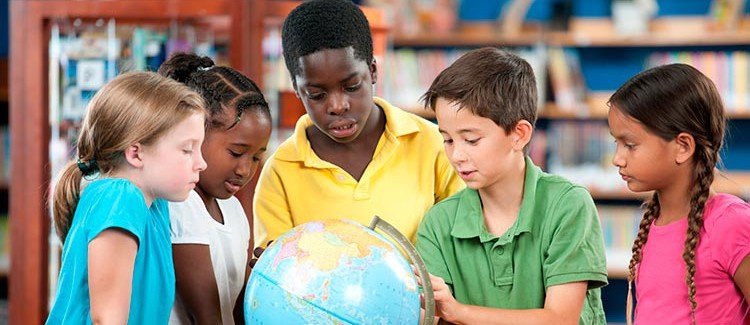
Bilingual classrooms are those where instruction is provided in two languages, typically the native language of the students and the dominant language of their community or country. These classrooms bring together students from different cultural backgrounds and provide them with an immersive learning environment that fosters both language development and cross-cultural understanding.
One of the main advantages of bilingual education is its ability to promote cultural exchange. Students from different backgrounds have the opportunity to share their customs, traditions, and perspectives with one another. This interaction helps break down stereotypes and promotes tolerance and acceptance among students.
Furthermore, bilingual classrooms offer unique opportunities for academic growth. Research has shown that bilingualism enhances cognitive abilities such as problem-solving skills, critical thinking, and creativity. By learning in two languages simultaneously, students develop a greater awareness of linguistic structures and can apply these skills across various subjects.
In addition to academic benefits, bilingual education also prepares students for success in a multicultural society. In an increasingly interconnected world, being able to communicate effectively with people from different cultures is essential for future career prospects. Bilingual individuals are often sought after by employers who value their ability to bridge communication gaps between diverse groups.
However, implementing effective bilingual programs requires careful planning and considerations. Teachers need specialized training to ensure they can effectively teach both languages while promoting cultural sensitivity within the classroom setting. Schools must also provide appropriate resources and support systems for teachers so they can navigate the challenges associated with teaching diverse student populations.
Moreover, it is crucial to recognize that embracing cultural diversity goes beyond simply having different nationalities represented in a classroom; it involves respect for all aspects of each culture – including traditions, beliefs, and languages.
In conclusion, cultural diversity in bilingual classrooms offers numerous benefits to students. It nurtures cross-cultural understanding, enhances cognitive abilities, and prepares students for a globalized world. By promoting linguistic and cultural diversity, these classrooms create an inclusive learning environment that celebrates the richness of different cultures. As educators and society at large continue to recognize the value of cultural diversity, it is essential to provide support for bilingual education programs that foster multiculturalism within our schools.
 Alternative Amie
Leave a comment