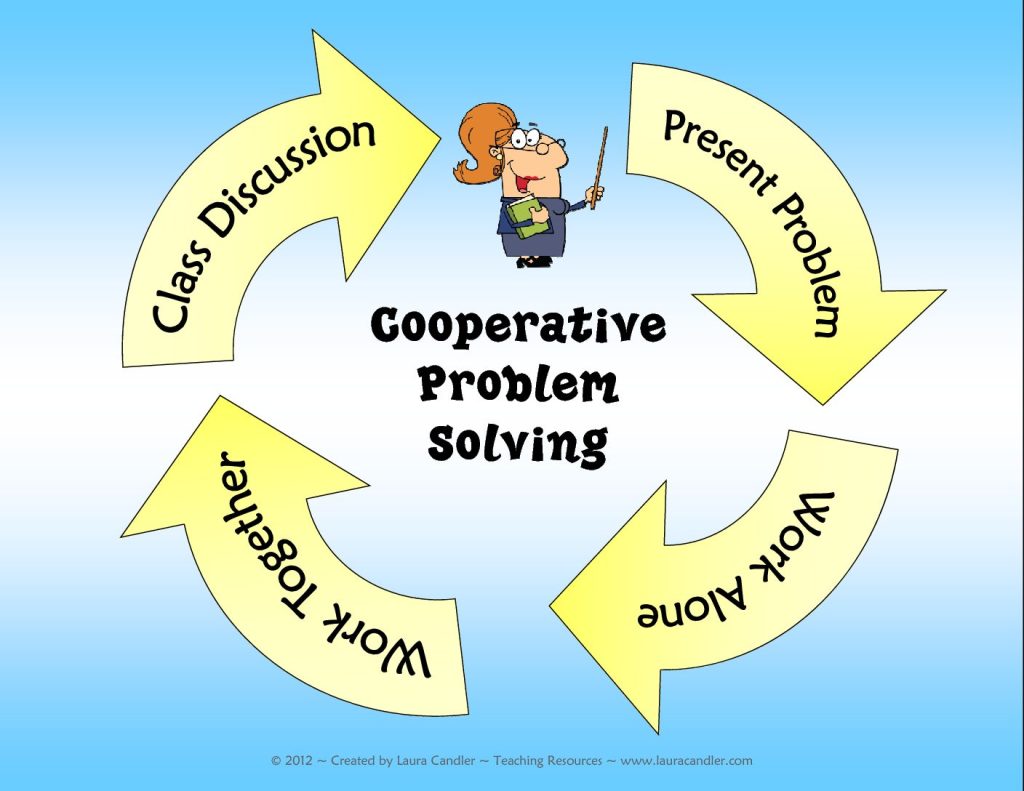
Cooperative Learning and Problem-Solving Skills: Fostering Collaboration and Empowering Students
In today’s rapidly evolving world, traditional methods of education are being challenged. As educators strive to prepare students for the future, alternative schooling approaches that prioritize collaboration and problem-solving skills are gaining popularity. One such approach is cooperative learning, which fosters teamwork, critical thinking, and effective communication among students.
Cooperative learning is a teaching method in which students work together in small groups to achieve common goals. Unlike traditional classroom settings where individual competition often takes center stage, cooperative learning focuses on promoting mutual support and shared accountability. Through this approach, students learn how to collaborate effectively with their peers while developing crucial problem-solving skills.
One of the main advantages of cooperative learning lies in its ability to cultivate a sense of community within the classroom. By working together towards a common goal, students build relationships based on trust and respect. This positive social environment encourages active participation from all members of the group and promotes inclusivity among diverse learners.
Furthermore, cooperative learning provides valuable opportunities for students to enhance their problem-solving skills. Within their groups, individuals encounter different perspectives and ideas that challenge their own thinking processes. This exposure allows them to develop critical thinking abilities as they engage in discussions with their peers, analyze information collectively, and propose innovative solutions.
Moreover, by actively participating in group discussions or projects during cooperative learning activities, students improve their communication skills significantly. They learn how to express themselves clearly while considering others’ viewpoints and opinions—a crucial skillset for success both inside and outside the classroom.
Through collaborative problem-solving tasks offered by cooperative learning methods—such as brainstorming sessions or project-based assignments—students also acquire essential life skills that will serve them well beyond school years. These experiences teach them resilience when facing challenges or setbacks while fostering creativity as they explore different possibilities along with their teammates.
Cooperative learning not only benefits academic achievement but also contributes positively to personal growth. Students gain a sense of ownership over their learning, realizing that they can rely on themselves and others to overcome obstacles. This increased self-confidence empowers them to take risks, seek new knowledge independently, and become lifelong learners.
In conclusion, cooperative learning is an effective alternative schooling approach that nurtures collaboration and problem-solving skills among students. By working together in small groups towards common goals, students develop crucial academic abilities while also fostering social and emotional growth. Through this method, educators empower students to become active participants in their own education journey as they prepare for the challenges of the future.
 Alternative Amie
Leave a comment