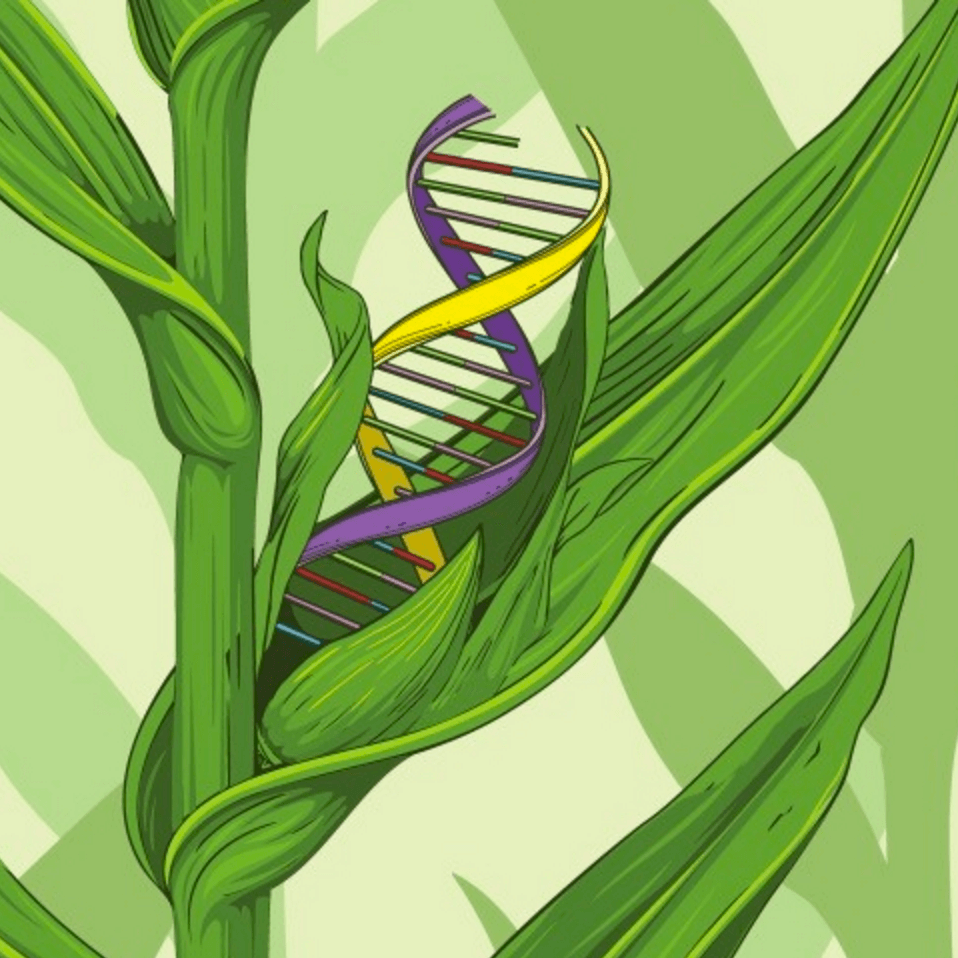
Biotechnology: Exploring the World of Science and Innovation
Introduction:
In today’s rapidly evolving world, it is crucial to stay informed about the latest advancements in science and technology. One field that has gained significant attention over the years is biotechnology. From healthcare to agriculture, biotechnology plays a pivotal role in shaping our society. In this article, we will explore the fundamentals of biotechnology, its applications, and its impact on various sectors.
What is Biotechnology?
Biotechnology can be defined as the use of biological processes or organisms to develop new products or improve existing ones. It involves harnessing living systems and their components to create innovative solutions for various industries. These technologies often revolve around DNA manipulation, genetic engineering, molecular biology techniques, and other cutting-edge scientific methods.
Applications of Biotechnology:
1. Healthcare:
One area where biotechnology has immense potential is healthcare. Scientists have made significant progress in developing advanced therapies such as gene editing techniques like CRISPR-Cas9 that hold promise for treating diseases by modifying genes at a molecular level. Additionally, biotechnological advancements have paved the way for personalized medicine tailored to an individual’s specific genetic makeup.
2. Agriculture:
Biotechnology has revolutionized modern agriculture by improving crop yields, enhancing nutritional content, and making plants more resistant to pests or extreme weather conditions through genetic modification (GM) techniques. Genetically modified crops are now grown worldwide and offer benefits like increased productivity and reduced reliance on chemical pesticides.
3. Environmental Conservation:
Biotechnological tools also play a vital role in environmental conservation efforts. For instance, microbial-based remediation techniques are employed to clean up environmental contaminants such as oil spills or toxic chemicals effectively. Additionally, biofuels derived from renewable sources offer a greener alternative to fossil fuels while reducing greenhouse gas emissions.
4. Industrial Applications:
Industries ranging from food production to textiles utilize biotechnological processes extensively.
Fermentation processes, for example, are employed to produce a wide range of products like cheese, yogurt, and beverages. Enzymes derived from microorganisms are used in laundry detergents as stain removers. Biodegradable plastics made from renewable resources are also being developed to reduce environmental impact.
Ethical Considerations:
As with any scientific advancement, biotechnology raises ethical considerations that must be addressed.
1. Genetic Privacy:
With the increasing accessibility of genetic testing and sequencing technologies, protecting individuals’ genetic privacy becomes crucial. Striking a balance between sharing genetic data for research purposes while safeguarding personal information is an ongoing challenge.
2. Genetically Modified Organisms (GMOs):
The use of genetically modified organisms in agriculture raises concerns regarding potential environmental impacts and long-term effects on human health. It is essential to conduct rigorous safety assessments before releasing GMOs into the environment or food supply chain.
3. Intellectual Property Rights:
Biotechnological innovations often involve patenting genes or specific processes, which can lead to monopolies and hinder access to essential medical treatments or crop varieties in certain regions of the world.
Education Opportunities:
To foster innovation and ensure continued progress in biotechnology, educational institutions play a vital role by providing comprehensive programs that train future experts.
1. Biotechnology Degrees:
Many universities offer undergraduate and graduate degrees specifically focused on biotechnology-related fields such as molecular biology, bioengineering, or genetics.
2. Research Opportunities:
Engaging students in research projects allows them to gain practical experience and contribute to advancements in the field of biotechnology.
3. Internships and Industry Collaborations:
Collaborating with industries provides students with real-world exposure while allowing companies to harness their fresh perspectives and skills effectively.
Conclusion:
Biotechnology holds tremendous promise for solving some of humanity’s most pressing challenges across various sectors including healthcare, agriculture, environment conservation, and industry.
While it offers numerous benefits ranging from improved treatments to sustainable practices; ethical considerations, such as genetic privacy and the responsible use of GMOs, need to be carefully addressed. By investing in education and research opportunities, we can ensure a skilled workforce capable of driving positive change and innovation in this rapidly advancing field. As biotechnology continues to evolve, staying informed and having open discussions will help us navigate its potential benefits while addressing any associated concerns.
 Alternative Amie
Leave a comment