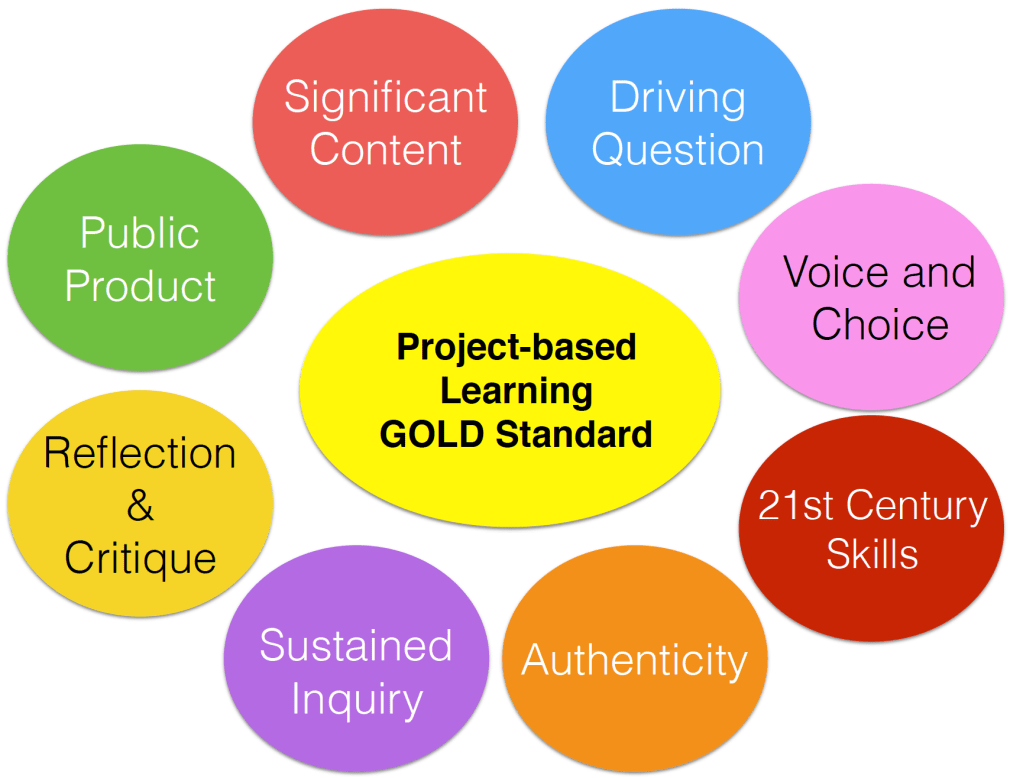
Project-Based Learning: A Dynamic Approach to Education
Education is undergoing a transformative shift, with educators and policymakers seeking innovative ways to engage students and prepare them for the complexities of the 21st century. Project-based learning (PBL) has emerged as a dynamic approach that empowers students to take ownership of their learning by actively engaging in real-world projects. This article aims to provide an overview of project-based learning, its key components, benefits, and challenges.
At its core, project-based learning is a student-centered instructional method where learners gain knowledge and skills through the completion of meaningful projects. Unlike traditional classroom settings where information is delivered passively, PBL stimulates critical thinking, problem-solving, collaboration, and communication skills. Students are presented with authentic problems or challenges that require them to apply what they have learned in order to find solutions.
The key components of project-based learning include an engaging driving question or problem statement that captures students’ curiosity and motivates them throughout the project. The project should be grounded in real-world contexts that connect academic content with practical applications. This helps foster deeper understanding while preparing students for future careers.
Furthermore, successful implementation of PBL requires careful planning and scaffolded support from teachers. Educators serve as facilitators who guide students through the inquiry process rather than merely delivering lectures or assigning worksheets. They provide necessary resources, model effective strategies, offer feedback on student work-in-progress, and encourage reflection on both successes and failures.
One significant advantage of project-based learning is its ability to foster intrinsic motivation among students. By allowing individuals to explore topics they are passionate about within a collaborative environment, PBL taps into their natural curiosity and desire for autonomy over their own education. As a result, students become more engaged in their studies as they see direct relevance between what they learn in class and real-life applications.
PBL also enhances critical thinking abilities by challenging students to analyze complex problems from multiple angles before reaching conclusions. Through sustained inquiry, students develop the skills needed to identify reliable sources, evaluate information, and make informed decisions. Additionally, collaborative projects foster teamwork and communication skills as students learn to leverage each other’s strengths and work towards a common goal.
However, implementing project-based learning also presents challenges. It requires significant time commitments for both teachers and students as projects can span several weeks or even months. This can be especially challenging within traditional school structures that prioritize content coverage over deep understanding. Moreover, assessment in PBL is often more complex than traditional methods since it involves evaluating not only final products but also process skills such as problem-solving and collaboration.
In conclusion, project-based learning offers a dynamic approach to education that promotes student engagement, critical thinking, collaboration, and real-world application of knowledge. By shifting the focus from passive consumption of information to active exploration and creation, PBL equips students with essential skills for success in an ever-evolving world. While implementation may present challenges in terms of time commitment and assessment strategies, the benefits far outweigh the difficulties when it comes to preparing students for their future endeavors.
 Alternative Amie
Leave a comment