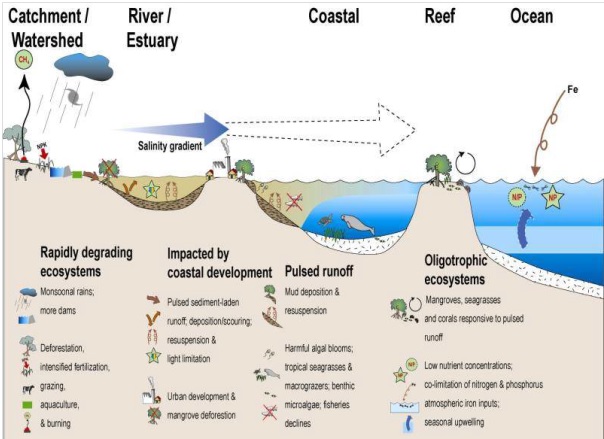
Coastal Zone Management Strategies: Protecting Our Coastal Areas
Q: What is coastal zone management?
A: Coastal zone management refers to the process of managing and protecting coastal areas to ensure their sustainable development while minimizing environmental degradation. It involves various strategies, policies, and practices implemented by governments, communities, and organizations to address the unique challenges faced by these regions.
Q: Why is coastal zone management important?
A: Coastal zones are ecologically rich environments that provide numerous benefits to both humans and wildlife. They support diverse ecosystems, provide habitats for marine life, act as buffers against storms and erosion, offer recreational opportunities, and contribute significantly to tourism industries. However, these areas are also vulnerable to human activities such as pollution, overfishing, habitat destruction, climate change impacts (like sea-level rise), and urbanization. Effective coastal zone management helps strike a balance between development needs and environmental protection.
Q: What are some key strategies in coastal zone management?
A: There are several key strategies employed in coastal zone management:
1. Integrated Coastal Zone Management (ICZM): ICZM is an overarching approach that aims to coordinate different sectors such as land use planning, fisheries management, tourism policies, infrastructure development regulations within a holistic framework. It emphasizes stakeholder involvement through participatory decision-making processes.
2. Ecosystem-based Approaches: These approaches focus on preserving natural ecosystem functions rather than relying solely on engineered solutions. Examples include restoring wetlands or mangroves for flood mitigation or creating protected areas for biodiversity conservation.
3. Zoning Regulations: Dividing the coast into different zones allows for better control of land use activities based on their compatibility with the environment and vulnerability assessments. This can help protect sensitive habitats while allowing appropriate economic activities in designated areas.
4. Monitoring programs: Regular monitoring of water quality parameters like temperature or salinity levels can help detect changes early on so that timely action can be taken if required. Monitoring programs also help assess the effectiveness of management strategies and identify areas that need improvement.
5. Coastal Defense Measures: These measures include constructing seawalls, breakwaters, or groins to protect coastal areas from erosion and storm damage. However, they should be used sparingly as they can alter natural beach processes and cause unintended consequences elsewhere.
6. Public Awareness and Education: Encouraging public awareness about the importance of coastal ecosystems and their sustainable use is crucial for achieving long-term conservation goals. Education campaigns can focus on responsible behavior such as proper waste disposal or limiting habitat destruction through recreational activities.
Q: Who implements these strategies?
A: Coastal zone management is a collaborative effort involving various stakeholders such as government agencies at local, regional, and national levels; non-governmental organizations (NGOs); community-based organizations; scientists; businesses; and local communities themselves. Effective implementation requires partnerships, coordination, and active participation from all involved parties.
In conclusion, coastal zone management plays a vital role in protecting our precious coastal areas while allowing for sustainable development. By employing integrated approaches that consider ecological resilience alongside socioeconomic needs, we can ensure the long-term health of these valuable ecosystems for future generations to enjoy.
 Alternative Amie
Leave a comment