Collaborative Problem-Solving: Fostering Creativity and Critical Thinking in Alternative Education
In traditional education systems, the focus is often on individual achievement and competition. However, in alternative schooling and education, there is a growing emphasis on collaborative problem-solving as an effective strategy for fostering creativity and critical thinking skills among students.
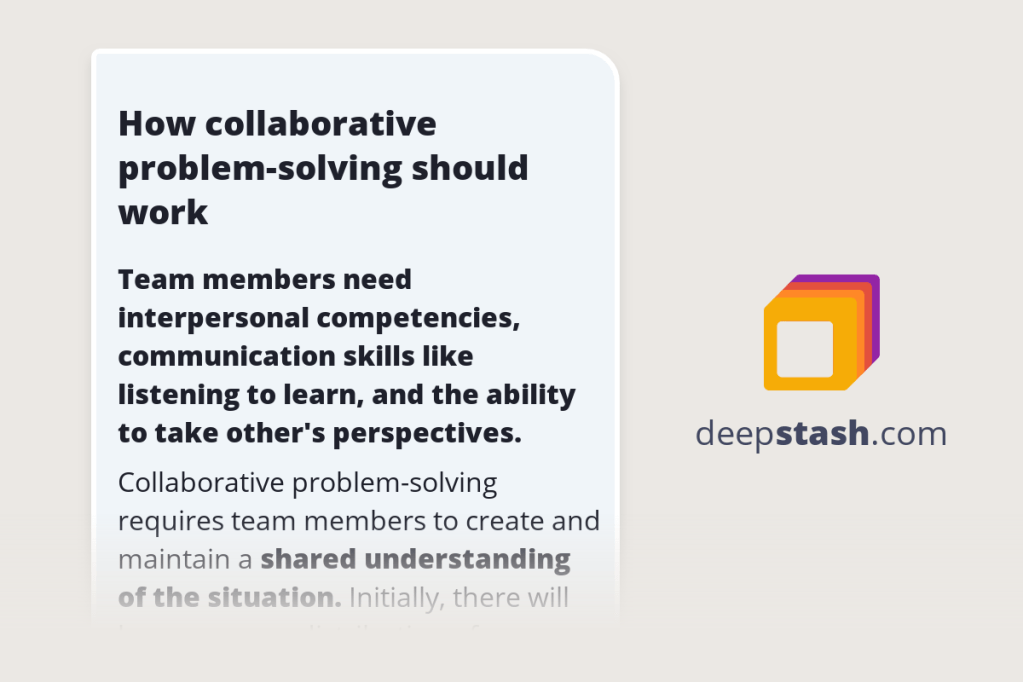
Collaborative problem-solving involves bringing together individuals with diverse perspectives, backgrounds, and skill sets to work collectively towards finding innovative solutions to complex issues. This approach not only encourages teamwork but also promotes active engagement, empathy, communication, and negotiation skills.
One of the key benefits of collaborative problem-solving is that it allows students to draw from each other’s strengths and experiences. By working together in groups or teams, students can pool their ideas and knowledge to tackle challenges more effectively than they could alone. This process helps build a sense of community within the learning environment while simultaneously fostering respect for others’ opinions.
Moreover, collaborative problem-solving nurtures creativity by encouraging out-of-the-box thinking. When students engage in brainstorming sessions or group discussions about potential solutions, they are exposed to different perspectives that can spark innovative ideas. The open exchange of thoughts stimulates creative thinking processes as students learn from one another’s unique viewpoints.
Critical thinking skills are also honed through collaborative problem-solving activities. Students are encouraged to analyze problems from multiple angles while considering various factors at play. They learn how to evaluate different options critically based on evidence rather than relying solely on personal biases or assumptions.
Furthermore, collaborative problem-solving prepares students for real-world situations where teamwork and cooperation are essential. In today’s interconnected society, being able to work effectively with others is crucial in both personal and professional settings. By engaging in collaborative projects during their education journey, alternative school students develop valuable interpersonal skills necessary for success beyond the classroom walls.
To implement successful collaborative problem-solving practices in alternative schools requires creating a supportive learning environment that fosters trust among participants. Teachers play a critical role in facilitating these activities, offering guidance and ensuring that all voices are heard. They can also introduce frameworks or techniques like Design Thinking or Project-Based Learning to structure the problem-solving process effectively.
In conclusion, collaborative problem-solving is an integral part of alternative schooling and education. By engaging students in teamwork, this approach stimulates creativity, critical thinking, and interpersonal skills. It prepares them for future challenges while fostering a sense of community within the learning environment. As alternative education continues to evolve, collaborative problem-solving offers an effective strategy for nurturing holistic development among students.
 Alternative Amie
Leave a comment