Free schools have been gaining popularity in recent years as an alternative form of education. These schools offer a unique approach to learning, emphasizing freedom, creativity, and individuality. Unlike traditional public or private schools, free schools are not bound by strict curriculums or standardized testing requirements. Instead, they provide students with the autonomy to explore their interests and pursue personalized educational paths.
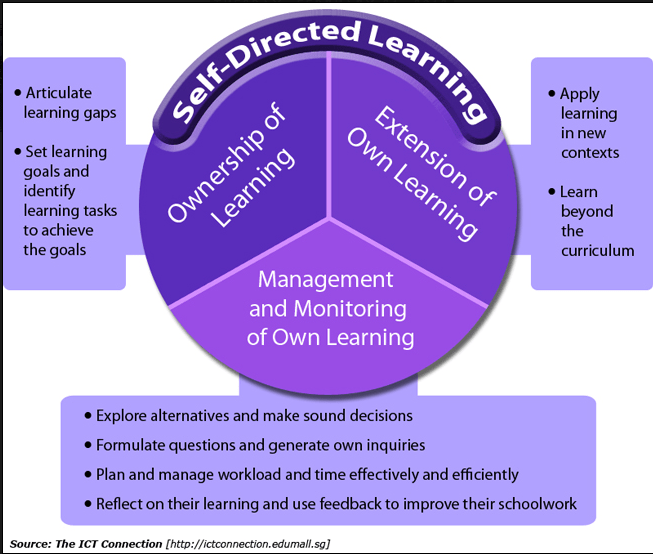
One of the key principles of free schools is self-directed learning. Students are encouraged to take ownership of their education by setting their own goals and designing their own projects. This approach fosters independence and critical thinking skills from an early age. Rather than being passive recipients of information, students actively engage with subjects that interest them and learn at their own pace.
Another important aspect of free schools is the emphasis on community involvement. Free schools often operate as democratically run institutions where decisions are made collectively by students, teachers, parents, and staff members. This participatory model encourages collaboration, cooperation, and respect for different perspectives within the school community.
Free schools also prioritize experiential learning over rote memorization. They believe that real-life experiences provide valuable opportunities for growth and development. Whether it’s through field trips to museums or hands-on projects in the classroom or community, free school students learn by doing rather than just absorbing information from textbooks.
In addition to academic subjects like math and science, free schools place equal importance on developing social-emotional skills such as empathy, communication, problem-solving, and conflict resolution. They recognize that these skills are essential for success in life beyond formal education.
Critics argue that without a structured curriculum or standardized testing measures in place, free school students may lack essential knowledge in certain areas compared to their peers in traditional schooling systems. However, supporters believe that the freedom provided by these institutions allows students to develop a love for learning while fostering creativity and critical thinking abilities.
Ultimately though there is no one-size-fits-all solution when it comes to education. Free schools provide an alternative for families who believe in the power of self-directed learning and want their children to have more control over their own educational journey. These schools create a nurturing environment where students are encouraged to explore their passions, develop their strengths, and become lifelong learners.
If you’re interested in exploring free schools as an option for your child’s education, it’s important to research different models and visit local free schools to see if they align with your values and goals. Remember that every child is unique, and finding the right educational fit is crucial for their overall development and success.
 Alternative Amie
Leave a comment