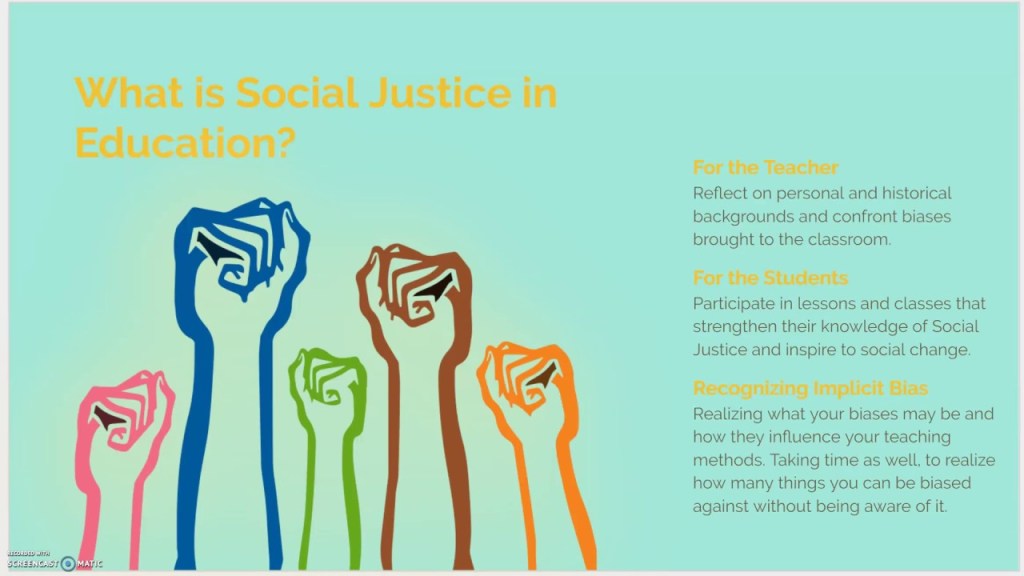
Social justice in education is a critical aspect of ensuring that every child has equal opportunities to succeed. It aims to address and dismantle the systemic barriers that limit access, achievement, and opportunity for marginalized students.
One key element of social justice in education is equity. Equity means providing resources and support based on individual needs rather than treating all students the same way. This approach recognizes that some students may require extra assistance due to their socioeconomic status, race, gender identity, or disabilities. By prioritizing equity, educators can create an inclusive learning environment where every student can thrive.
Another crucial aspect of social justice in education is inclusivity. Inclusive classrooms celebrate diversity and promote acceptance by valuing each student’s unique background and experiences. Educators strive to create a safe space where all students feel comfortable expressing themselves freely without fear of discrimination or prejudice.
To achieve social justice in education, it is essential to confront biases and prejudices within the educational system itself. Teachers must critically examine their own beliefs and challenge any ingrained stereotypes they might hold about certain groups of students. They should also actively seek out diverse perspectives in curricula and instructional materials to ensure representation for all learners.
Furthermore, fostering collaboration between schools, families, communities, and policymakers plays a vital role in achieving social justice in education. By working together towards common goals such as reducing achievement gaps or improving graduation rates among marginalized populations, stakeholders can bring about meaningful change at both local and systemic levels.
In conclusion, social justice in education strives for fairness by addressing inequalities that exist within our educational systems. By promoting equity, inclusivity, challenging biases within the system itself while encouraging collaboration amongst various stakeholders involved with educating children can help make strides towards creating a more just educational experience for all learners
 Alternative Amie
Leave a comment