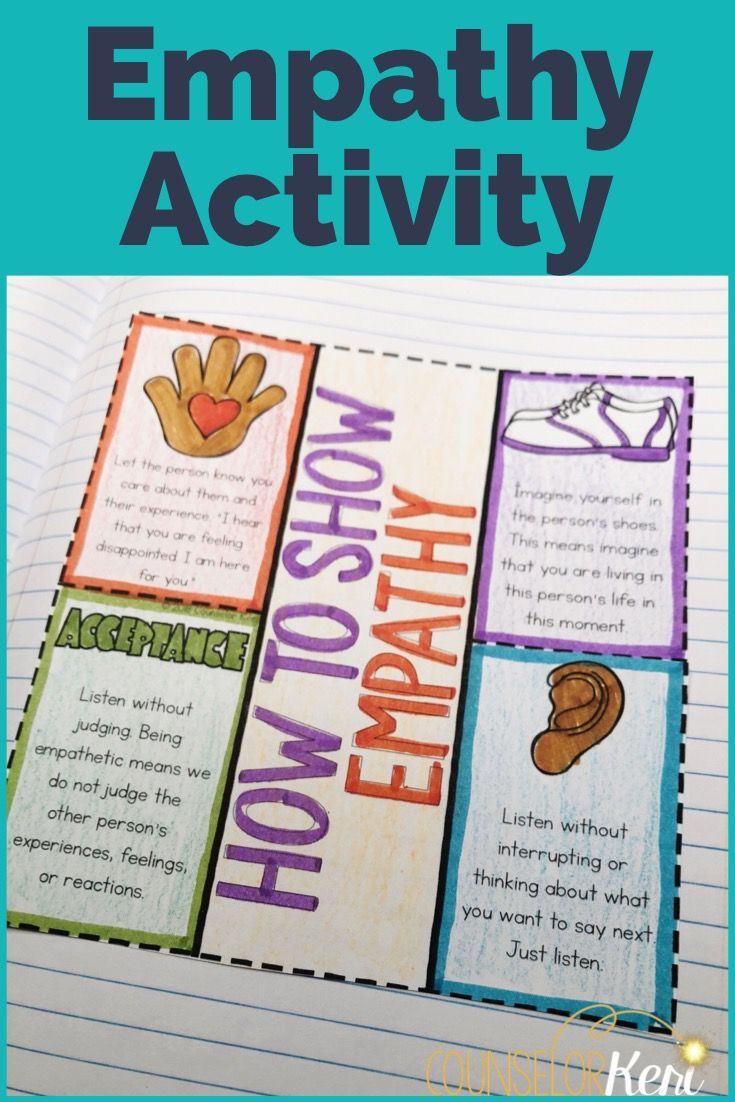
Developing Empathy Through Questioning: 15 Effective Strategies
Empathy is a fundamental skill that enables individuals to understand and share the feelings of others. It plays a crucial role in fostering positive relationships, resolving conflicts, and building strong communities. One effective way to develop empathy is through questioning. By asking thoughtful questions, we can gain deeper insights into others’ perspectives and experiences. Here are 15 strategies to help you cultivate empathy through questioning:
1. Be curious: Approach conversations with genuine curiosity about the other person’s thoughts and emotions.
2. Open-ended questions: Ask questions that encourage detailed responses rather than simple yes or no answers.
3. Active listening: Pay close attention to what the person is saying, maintaining eye contact, and showing genuine interest.
4. Reflective questions: Repeat or paraphrase their words to show understanding and ensure clarity.
5. Avoid judgment: Create a safe space where people feel comfortable expressing themselves without fear of criticism.
6. Probe for underlying emotions: Ask follow-up questions that delve into the emotional aspects of their experience.
7. Perspective-taking questions: Encourage them to consider how they would feel if they were in someone else’s shoes.
8. Challenging assumptions: Prompt them to question their own biases by asking thought-provoking queries related to stereotypes or prejudices they may hold.
9. Dig deeper into experiences: Explore specific details about their personal journey or challenges faced.
10. Seek common ground: Look for shared experiences or interests as a starting point for understanding one another better.
11. Non-verbal cues: Pay attention not only to what is being said but also observe body language, facial expressions, and tone of voice for additional context.
12. Emotional intelligence-focused inquiries: Encourage introspection by asking how certain situations made them feel emotionally and why.
13. Cultivate patience: Allow individuals time to process their thoughts before responding with further questioning or commentary.
14. Encourage storytelling: Prompt them to share personal narratives that reveal their values, beliefs, and experiences.
15. Practice empathy in everyday interactions: Apply these questioning techniques not only during deep conversations but also in casual encounters with friends, family, colleagues, or even strangers.
By incorporating these strategies into your daily interactions, you will gradually develop a stronger sense of empathy. Remember that building empathy is an ongoing process that requires practice and conscious effort. Engaging in meaningful conversations through effective questioning can transform relationships and create a more empathetic society as a whole.
 Alternative Amie
Leave a comment