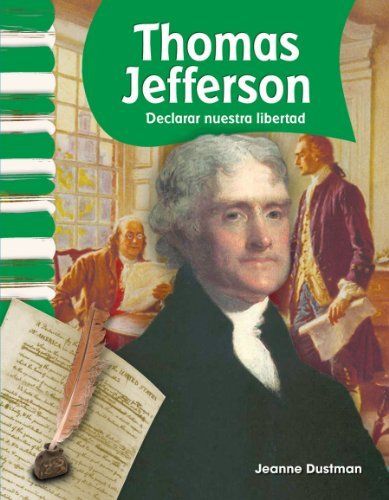
History is a subject that often elicits groans from students. The thought of memorizing dates and events can seem tedious and irrelevant to their daily lives. However, history is much more than just a collection of facts; it is the story of humanity’s past, filled with fascinating characters and significant moments that have shaped the world we live in today.
One way to make history come alive for students is through the use of biographies. By focusing on individual lives, biographies provide a personal lens through which students can explore historical events and gain a deeper understanding of the people who lived during those times.
For example, reading about Abraham Lincoln offers insights not only into his role as President during the Civil War but also provides a glimpse into his character, beliefs, and struggles. Through his biography, students can see how one person’s actions had a profound impact on American history.
Similarly, exploring the life of Marie Curie allows students to understand not only her groundbreaking scientific discoveries but also her perseverance in overcoming societal barriers as a woman in male-dominated fields. Her biography shows how determination and passion can lead to extraordinary achievements.
Aside from biographies, another valuable tool for studying history is primary sources. Primary sources are firsthand accounts or artifacts from a specific time period. These include letters, diaries, speeches, photographs, paintings, and other documents created by individuals who experienced or witnessed historical events.
Primary sources offer an authentic connection to the past and allow students to engage directly with historical evidence. For instance, reading Martin Luther King Jr.’s “I Have A Dream” speech provides insight into the Civil Rights Movement while immersing students in one of its most iconic moments.
Examining primary sources also helps develop critical thinking skills as students analyze biases and perspectives present within these documents. They learn that history isn’t always objective but rather influenced by various factors such as cultural background or personal motivations.
Moreover, by using primary sources alongside biographies, students can compare and contrast the narratives presented in historical accounts. For example, reading Anne Frank’s diary alongside a biography of Adolf Hitler allows students to gain a more nuanced understanding of World War II from both the perspective of a victim and an aggressor.
Incorporating biographies and primary sources into history education not only makes the subject more engaging but also teaches valuable skills such as empathy, critical thinking, and analysis. Students learn that history is not just about memorizing facts but rather about understanding the complex web of human experiences that have shaped our world.
Furthermore, this approach helps foster a sense of connection between students and historical figures. By learning about the struggles, triumphs, and failures of individuals who came before them, students can see themselves as part of an ongoing narrative rather than detached observers.
In conclusion, studying history through biographies and primary sources offers an immersive and personal way for students to engage with the past. By exploring individual lives within their historical context, students gain a deeper understanding of significant events while developing essential skills for critical thinking and analysis. Through these stories from the past, we can inspire future generations to appreciate the importance of history in shaping our present and future.
 Alternative Amie
Leave a comment