Caves: Unleashing the Wonders of Alternative Education
Education is a journey, and every child deserves an opportunity to explore their unique path. While traditional schooling methods have their merits, alternative approaches offer a different perspective on learning. One such approach that fosters curiosity, critical thinking, and hands-on experiences is cave exploration.
Caves have captivated human beings for centuries with their mysterious allure and hidden treasures. They provide an ideal platform for alternative education due to their rich historical, geological, and ecological significance. In this article, we will delve into the wonders of caves as educational tools and how they can enhance a child’s learning experience.
Historical Exploration:
Caves are natural time capsules that preserve valuable information about our past. From ancient cave paintings to archaeological artifacts, these underground chambers hold countless stories waiting to be unraveled by curious minds.
Imagine taking a group of students into a cave adorned with prehistoric artwork thousands of years old. As they stand in awe before these masterpieces created by early humans, history comes alive before their eyes. By studying these ancient drawings and analyzing the context in which they were made, students can gain insights into the lives, beliefs, and cultures of those who came before us.
Moreover, caves often serve as shelter or burial grounds for ancient civilizations. The discovery of artifacts like tools or pottery fragments provides tangible evidence of human existence throughout history. By engaging in archaeological excavations within caves under expert supervision, students can learn not only about specific periods but also about the scientific methodologies used in uncovering our past.
Geological Wonderlands:
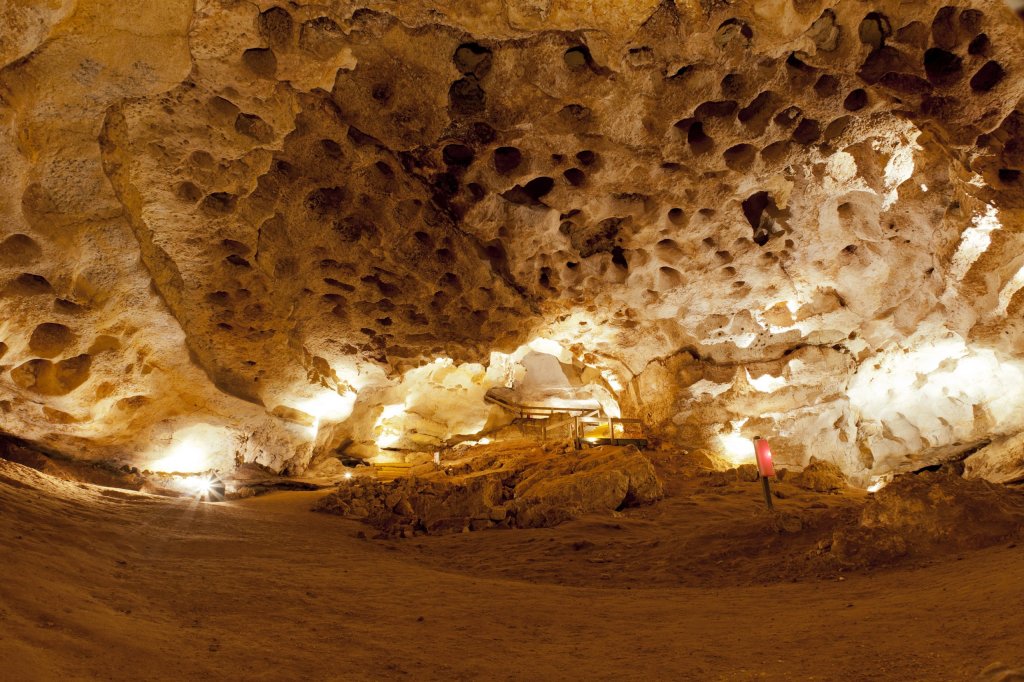
Beyond their historical value lies another fascinating aspect of caves – geology. Caves are formed through various geological processes involving erosion by water or chemical dissolution over millions of years. These formations offer an opportunity for students to witness firsthand how nature shapes the Earth’s surface.
By exploring stalactites hanging from cave ceilings or stalagmites rising from the floor due to mineral-rich water dripping over time, students can witness the slow but constant changes that shape our planet. They can learn about the composition of rocks and minerals found within caves and understand how they contribute to the formation of unique cave structures.
Furthermore, caves often contain underground rivers or lakes, adding another layer of geological wonder. Students can study hydrology by examining water flow patterns or observing how subterranean streams carve intricate pathways through solid rock. This hands-on experience deepens their understanding of natural processes while igniting a sense of awe for the power of water in shaping landscapes.
Ecological Exploration:
Caves are not just geological marvels; they also provide habitats for a variety of unique species adapted to living in darkness and isolation. These ecosystems are fragile and sensitive to human impact, making them excellent subjects for environmental education.
For instance, many caves house colonies of bats that play crucial roles in pollination and insect control. By studying bat behavior, diet, and reproduction cycles in their natural habitat, students gain insights into ecological interdependencies within cave ecosystems. Understanding these connections fosters an appreciation for the delicate balance between different species and their environments.
Additionally, exploring cave microhabitats introduces students to a world teeming with life forms such as blind fish or troglobites – creatures specifically adapted to live in complete darkness. Studying these specialized organisms provides valuable lessons on adaptation, evolution, and biodiversity.
Safety First:
While caves offer immense educational potential, safety precautions must be taken seriously when organizing cave expeditions with children. Proper guidance from experienced instructors is essential to ensure everyone’s well-being during exploration activities.
Students should be equipped with appropriate gear like helmets with headlamps for visibility in dark spaces along with sturdy footwear suitable for uneven terrain. Instruction on proper climbing techniques is necessary if encountering vertical passages or tight squeezes during exploration.
Moreover, it is crucial to respect conservation guidelines when venturing into caves. Disturbing delicate formations or disrupting cave-dwelling organisms can have long-lasting effects on these fragile environments. Education about responsible cave exploration must be an integral part of any alternative schooling program involving caves.
In conclusion, caves offer a treasure trove of learning opportunities that go beyond traditional classroom settings. Their historical significance, geological wonders, and ecological importance make them ideal platforms for alternative education. By immersing students in the mysteries of these underground worlds, we empower them to become curious explorers who appreciate the interconnectedness between humans, nature, and our planet’s past.
So let us embrace the wonders of caves as valuable educational tools and allow our children to embark on a journey that stimulates their imagination, fosters critical thinking skills, and ignites a lifelong passion for learning.
 Alternative Amie
Leave a comment