Assessment plays a crucial role in education as it provides valuable feedback to both teachers and students. However, traditional grading systems often fail to capture the full range of skills and abilities that students possess. Alternative schooling models have emerged as a response to this limitation, offering innovative approaches to assessment that prioritize holistic learning outcomes and student growth.
One such approach is assessment-based grading, which focuses on evaluating students’ mastery of specific learning goals rather than assigning grades based on overall performance. This method has been found to have a significant impact on student motivation. When students receive regular feedback on their progress towards specific objectives, they become more engaged in their learning and are motivated to improve.
In addition to assessment-based grading, alternative methods of assessing creativity and critical thinking skills are gaining popularity. These skills are essential for success in the 21st century workforce, yet they can be challenging to measure through traditional assessments. Alternative methods include performance tasks, portfolios, and project-based assessments that allow students to demonstrate their ability to think critically and creatively.
Assessing social-emotional learning (SEL) is another important aspect of education that is often neglected in traditional grading systems. SEL encompasses skills such as self-awareness, self-management, social awareness, relationship building, and responsible decision-making. In non-traditional education settings like alternative schools or personalized learning environments where the focus is on individual growth and development, assessing SEL becomes even more crucial.
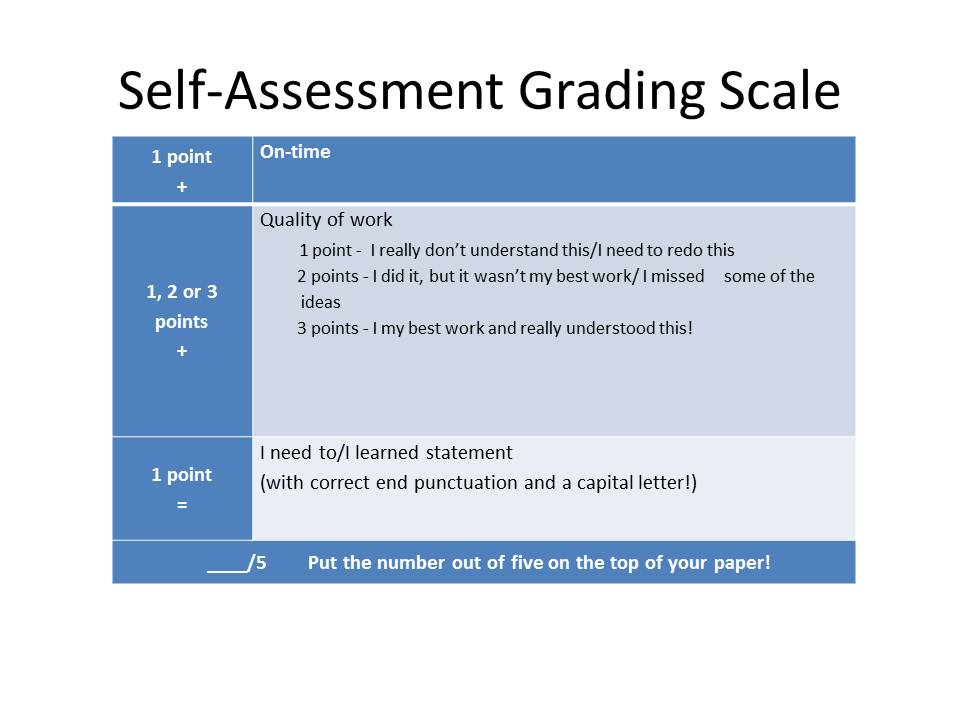
Self-assessment also plays a vital role in alternative schooling environments. By encouraging students to reflect on their own strengths and weaknesses and set personal goals for improvement, self-assessment fosters metacognitive skills and promotes ownership over one’s own learning journey.
Project-based learning (PBL) is another popular approach in alternative education models that requires effective assessment strategies. Traditional assessments may struggle with capturing the complex outcomes of PBL projects such as collaboration skills or interdisciplinary knowledge integration. Therefore, educators must develop innovative assessment tools like rubrics and criteria that can evaluate the varied aspects of PBL effectively.
Speaking of rubrics, they are essential for fair assessment in non-traditional classrooms. Rubrics provide clear expectations and criteria for each assignment or project, ensuring consistency in grading while allowing students to understand how their work will be evaluated. By using rubrics, educators can provide constructive feedback and help students improve their performance.
Interdisciplinary learning is another hallmark of alternative education models. Assessing interdisciplinary skills requires innovative approaches that go beyond traditional subject-specific assessments. Educators must develop assessment methods that capture a student’s ability to connect knowledge across different disciplines and apply it to real-world situations.
Peer assessment is also gaining traction as an effective method in alternative schooling approaches. When students assess one another’s work, they develop critical thinking skills, improve their own understanding of concepts, and gain insight into different perspectives. Peer assessment promotes collaboration and helps build a supportive classroom community where learning becomes a collective endeavor.
Competency-based education systems focus on individual progress rather than arbitrary timelines or grades. Assessing individual progress in such systems involves identifying specific competencies or skills that students need to master and designing assessments that measure their proficiency accurately.
Traditional grades often fail to capture the growth and development of students beyond academic achievements. Evaluating student growth should encompass not only cognitive abilities but also social-emotional skills, character development, creativity, problem-solving abilities, resilience, leadership qualities, among others – all crucial for holistic development.
Formative assessment plays a crucial role in personalized learning environments by providing ongoing feedback throughout the learning process rather than just at the end of a unit or semester. This approach allows teachers to adjust instruction based on student needs promptly and helps learners actively engage with their own learning journey.
Digital literacy has become an essential skill in today’s technology-driven world. Alternative education settings often emphasize digital literacy as part of their curriculum. Assessing digital literacy skills requires performance-based assessments where students demonstrate their ability to navigate technology, critically evaluate information sources, and create digital content.
Portfolios offer an effective assessment tool for capturing holistic learning outcomes. Portfolios provide a collection of student work that showcases their growth over time, including academic achievements, creative projects, reflection pieces, and evidence of social-emotional skills development. Portfolios allow students to take ownership of their learning by selecting and organizing artifacts that represent their progress.
Problem-solving is a critical skill in real-world scenarios. Assessing problem-solving skills requires the use of authentic tasks or simulations that simulate real-life challenges. By evaluating how students analyze problems, propose solutions, adapt strategies based on feedback, and reflect on the process, educators can assess their true problem-solving abilities.
Experiential learning programs often emphasize active participation and engagement in real-world contexts. Assessing student engagement and participation in such programs involves both quantitative measures (e.g., attendance records) as well as qualitative assessments (e.g., observations or reflections). This comprehensive approach ensures a more accurate evaluation of students’ involvement and commitment to the experiential learning process.
Addressing cultural biases and equity issues is crucial when implementing alternative assessment methods. Educators must ensure that assessments are fair for all students regardless of their background or culture. Culturally responsive assessment practices involve acknowledging diverse perspectives, providing multiple opportunities for expression, considering language barriers or accommodations for learners with disabilities – ultimately promoting inclusive education environments.
The impact of alternative assessments on college admissions processes is another important consideration. As colleges increasingly recognize the limitations of traditional grading systems in capturing student potential accurately, they are beginning to value alternative forms of assessment such as portfolios or performance-based tasks. This shift encourages schools to explore more comprehensive ways to present student achievements during the admissions process.
Assessing metacognitive skills goes hand in hand with fostering self-directed learners who possess strong self-awareness about their own thinking processes. Metacognition involves understanding one’s own cognitive strengths and weaknesses, setting goals for improvement, monitoring progress, and reflecting on learning strategies. Assessing metacognitive skills can be done through self-reflection activities, interviews, or performance tasks that require students to think about their thinking.
Lastly, student reflection and metacognition should be an integral part of the assessment process in alternative education models. By encouraging students to reflect on their own learning experiences, set goals for improvement, and analyze their growth over time, educators can support meaningful self-assessment and promote lifelong learning habits.
In conclusion, alternative schooling models offer innovative approaches to assessment that prioritize holistic learning outcomes and student growth. Assessment-based grading enhances student motivation by providing regular feedback on specific learning objectives. Alternative methods of assessing creativity and critical thinking skills allow students to demonstrate their abilities beyond traditional assessments. Assessing social-emotional learning becomes crucial in alternative education settings where individual growth is emphasized. Self-assessment fosters metacognitive skills in learners by promoting reflection and goal-setting. Effective assessment strategies are needed for project-based learning and group work evaluation in non-traditional classrooms. Rubrics provide fair criteria for evaluating student work while ensuring consistency in grading practices. Evaluating interdisciplinary learning requires innovative approaches that go beyond subject-specific assessments. Peer assessment promotes collaboration and a supportive classroom community. Competency-based education systems focus on individual progress rather than grades or timelines. Evaluating student growth goes beyond traditional grades by encompassing various aspects of development. Formative assessment supports personalized learning environments by providing ongoing feedback throughout the process. Digital literacy skills are assessed through performance tasks that measure technology proficiency effectively.
Portfolios serve as comprehensive tools for assessing holistic outcomes over time.
Problem-solving skills are evaluated through authentic tasks simulating real-world scenarios.
Student engagement in experiential programs is assessed using both quantitative and qualitative measures.
Addressing cultural biases ensures fair assessments for all students.
Alternative assessments impact college admissions processes as they recognize the limitations of traditional grading systems.
Metacognitive skills are assessed through self-reflection and metacognitive tasks.
Student reflection and metacognition enhance the assessment process by promoting self-assessment and lifelong learning habits.
 Alternative Amie
Leave a comment