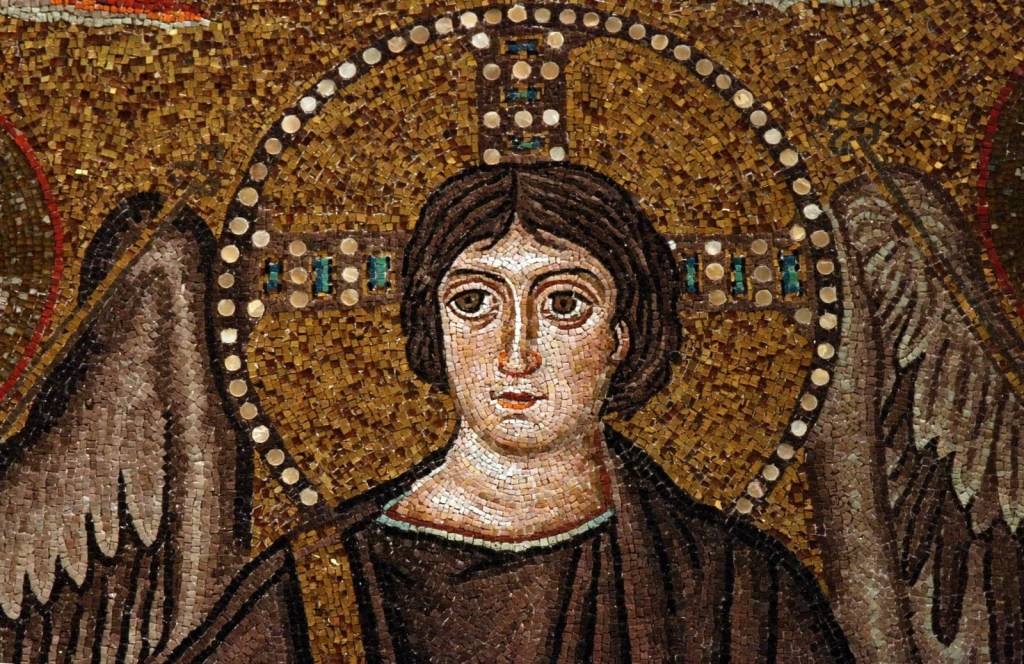
Byzantine art is a fascinating and distinct style that developed in the Byzantine Empire from the 4th century to the 15th century. It was heavily influenced by Roman, Greek, and Eastern traditions, resulting in a unique fusion of styles.
One of the most significant characteristics of Byzantine art is its emphasis on religious subject matter. The majority of artworks produced during this period were commissioned by the church or wealthy patrons for religious purposes. This led to a proliferation of icons, frescoes, mosaics, and illuminated manuscripts depicting biblical scenes, saints, and religious figures.
Mosaics played a central role in Byzantine art. They adorned churches and palaces with vibrant colors and intricate patterns. Early Christian basilicas such as San Vitale in Ravenna, Italy showcase stunning examples of Byzantine mosaics. These mosaics often depicted Christ Pantocrator (the All-Powerful) surrounded by angels or saints. The use of gold tesserae gave the artworks an otherworldly glow.
Iconography was another essential element in Byzantine art. Icons were portable paintings typically made on wooden panels with tempera paint. They served as devotional objects for personal prayer or as aids to worship in churches. Icons portrayed holy figures like Christ, Mary, and various saints with stylized features meant to convey their divine nature rather than realistic representation.
One iconic example is the Hagia Sophia’s Deesis mosaic found in Istanbul (formerly Constantinople). It depicts Christ flanked by Mary and John the Baptist imploring him on behalf of humanity through gestures known as “orans” poses – arms extended upward parallel to each other symbolizing prayerful intercession.
Another distinctive feature of Byzantine art is its love for rich colors and elaborate ornamentation. Artists employed bright hues derived from natural pigments mixed with egg tempera medium to create luminous effects on surfaces such as wood or plaster walls.
An essential aspect of Byzantine art was the use of gold leaf. Gold represented divine light and was used to highlight halos, backgrounds, and borders in artworks. This technique gave the illusion of a heavenly radiance, elevating the spiritual quality of the artwork.
In addition to mosaics and icons, illuminated manuscripts were highly valued during this time. These handwritten books were decorated with intricate illustrations using vibrant pigments and gold leaf. The most famous example is the 6th-century Vienna Genesis, which features detailed scenes from biblical stories such as Adam and Eve in the Garden of Eden.
Byzantine architecture also left an indelible mark on the art world. The Hagia Sophia in Istanbul stands as an architectural masterpiece showcasing a magnificent dome supported by massive piers and adorned with stunning mosaics. Its innovative design influenced later religious buildings throughout Europe.
The impact of Byzantine art extended beyond its own time period. During the Renaissance, artists like Giotto di Bondone drew inspiration from Byzantine techniques while incorporating naturalism into their works. The Russian Orthodox Church continued to produce icons following Byzantine traditions well into modern times.
Byzantine art not only served religious purposes but also played a significant role in preserving classical knowledge through its iconographic representations. After the fall of Rome, many ancient texts were lost or destroyed, leaving visual arts as one way to convey cultural heritage.
The influence of Byzantine art can be seen today through its lasting legacy on Eastern Orthodox Christianity’s visual language and cultural identity. Icons continue to be venerated by believers worldwide, while scholars study these artworks for insights into historical events and religious beliefs during this era.
In conclusion, Byzantine art remains an important chapter in human history that showcases a distinctive blend of Roman, Greek, and Eastern influences manifested through mosaics, icons, illuminated manuscripts, and architecture. By emphasizing religious subject matter combined with rich colors and ornamentation techniques like gold leaf, Byzantine artists created a unique visual language that continues to captivate and inspire audiences today.
 Alternative Amie
Leave a comment