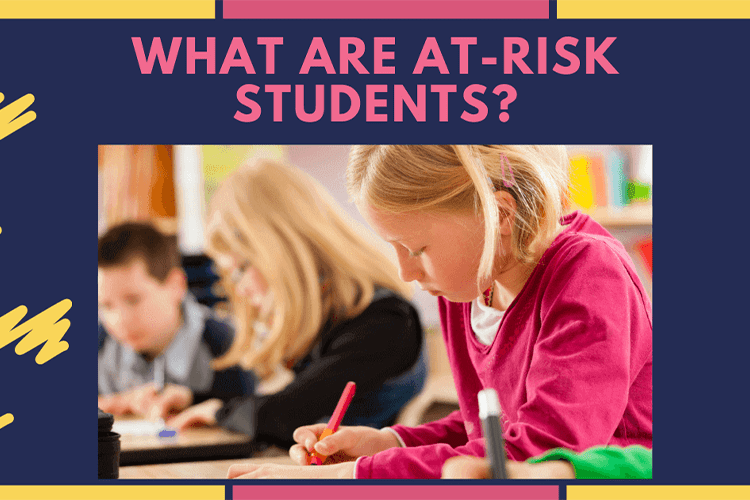
Blended Learning for At-Risk Students: Closing the Academic Gap
In recent years, educators and policymakers have recognized the need to address the unique challenges faced by at-risk students or those who have fallen behind academically. Blended learning has emerged as an effective solution in providing personalized education that helps these students catch up and succeed.
Blended learning combines traditional classroom instruction with online activities and resources. It allows students to work at their own pace, receive individualized support, and access a wealth of educational materials tailored to their needs. This flexible approach ensures that every student gets the attention they require to thrive academically.
One of the key advantages of blended learning is its ability to engage at-risk students who may struggle in a traditional classroom setting. The online component provides interactive content, multimedia resources, and adaptive learning tools that cater to different learning styles. Additionally, it offers opportunities for immediate feedback and self-assessment, fostering independent thinking and problem-solving skills.
Moreover, blended learning gives educators valuable data on student progress through analytics tools embedded in digital platforms. This enables teachers to identify areas where additional support is needed promptly. By leveraging technology effectively, educators can design targeted interventions that address specific academic gaps.
Blended learning also promotes collaboration among peers by incorporating virtual discussions and group projects into the curriculum. These activities encourage teamwork, communication skills development, and critical thinking abilities – all essential for success beyond academics.
While there are challenges inherent in implementing blended learning models for at-risk students—such as limited internet access or lack of technological proficiency—schools are finding creative solutions like providing devices or offering technology training programs.
In conclusion, blended learning has proven instrumental in empowering at-risk students or those who have fallen behind academically by tailoring education according to their needs while fostering independent thinking skills and collaboration abilities. As we continue exploring innovative approaches in alternative schooling methods, blending face-to-face instruction with digital resources remains a promising strategy for closing the academic gap and ensuring all students reach their full potential.
 Alternative Amie
Leave a comment