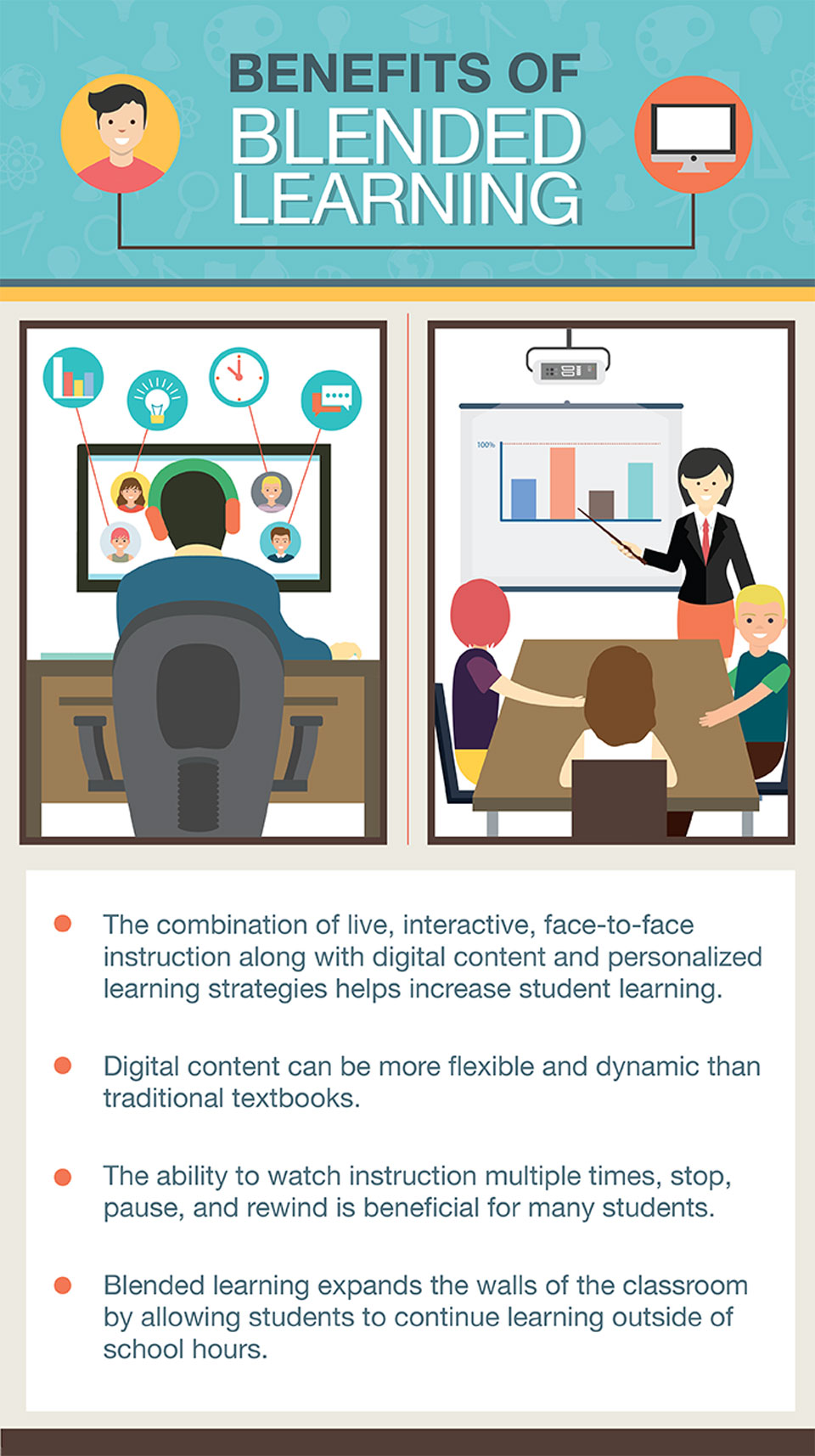
In times of school closures or emergencies, blended learning has emerged as a valuable tool to ensure continuity in education. Blended learning combines online and offline teaching methods, offering students the flexibility to learn at their own pace while maintaining interaction with teachers and peers. This approach has become increasingly popular due to its ability to adapt to various circumstances and provide quality education even in challenging times.
One key advantage of blended learning during school closures is the accessibility it provides. With online platforms and resources readily available, students can access educational materials from anywhere with an internet connection. This means that even if physical schools are closed, students can continue their studies remotely without interruption.
Moreover, blended learning allows for personalized instruction tailored to individual student needs. Online platforms often offer adaptive learning technologies that adjust content based on a student’s progress and abilities. This ensures that each student receives the appropriate level of support, filling gaps in knowledge and promoting academic growth.
Blended learning also fosters collaboration among students through virtual classrooms or discussion boards. Despite physical distancing measures, learners can engage with their classmates through online discussions and group projects. This not only promotes social interaction but also enhances critical thinking skills by encouraging different perspectives and diverse ideas.
Furthermore, blended learning offers teachers new ways to assess student progress effectively. Online quizzes, tests, and assignments enable educators to gather real-time data on each student’s performance. By analyzing this information promptly, teachers can provide timely feedback and interventions where necessary, ensuring no one falls behind academically.
Additionally, blended learning equips students with essential digital literacy skills required in today’s technological world. As they navigate various online tools such as video conferencing platforms or digital collaboration software regularly used during remote schooling periods, they become more comfortable using technology for educational purposes.
Another significant benefit of blended learning during emergencies is its potential for continued professional development for educators themselves. When faced with sudden changes like school closures or transitioning into remote teaching environments rapidly, teachers have the opportunity to explore new digital tools and teaching strategies. This experience not only enhances their ability to adapt in emergencies but also equips them with valuable skills for future use.
Lastly, blended learning can help bridge the educational gap that may occur during school closures or emergencies. By ensuring continuity in education, students are less likely to experience significant disruptions in their learning journey. This is especially crucial for vulnerable populations who may face additional barriers during these challenging times.
In conclusion, blended learning has proven to be a valuable approach during school closures or emergencies by offering accessibility, personalized instruction, collaboration opportunities, effective assessment methods, digital literacy development, professional growth for educators, and bridging educational gaps. As technology continues to advance and online resources become more readily available, blended learning will undoubtedly play an increasingly vital role in emergency education planning. Its flexibility and adaptability make it a powerful tool that allows students to continue their academic journey regardless of physical circumstances.
 Alternative Amie
Leave a comment