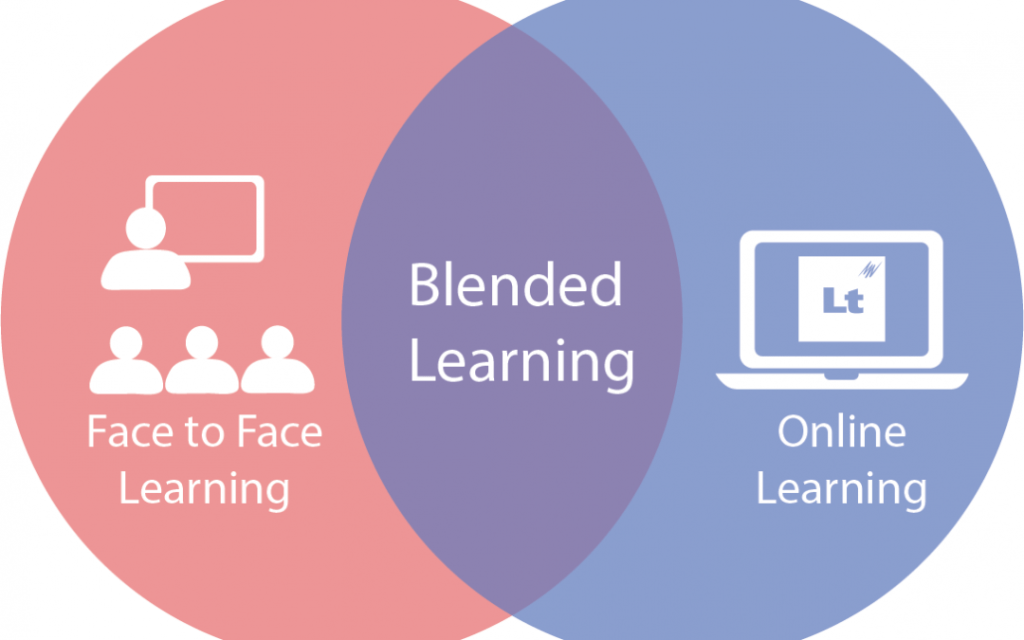
As the world of education continues to evolve, blended learning has emerged as a popular model that combines traditional classroom instruction with online learning. This approach offers flexibility and personalized learning experiences for students. However, one challenge that blended learners often face is the impact of weather-related disruptions on their ability to access and engage in online learning.
Weather-related challenges can come in various forms, including severe storms, hurricanes, snowstorms, or even extreme heatwaves. These conditions can lead to power outages, internet connectivity issues, transportation problems, and school closures. For blended learners who rely heavily on technology and internet access for their studies, these disruptions can significantly hinder their progress.
One solution to address weather-related challenges is contingency planning. Schools should have well-defined strategies in place to ensure minimal disruption during inclement weather conditions. This might involve outlining alternative assignments or activities that can be completed offline when online access is limited or unavailable.
Additionally, schools should invest in backup power sources such as generators or battery-powered devices to ensure uninterrupted internet connectivity during power outages. It’s also crucial for educators to communicate clearly with students about any changes in schedules or expectations due to severe weather conditions.
Another solution lies in fostering a sense of community among blended learners. Weather-related challenges affect not only individual students but also entire communities. By creating support networks within the blended learning environment – whether through discussion forums or virtual study groups – students can share resources and help each other navigate through disruptions caused by adverse weather conditions.
Furthermore, educators should consider providing offline resources and materials that are readily available for download before potential disruptions occur. This way, students will have access to educational materials even without an internet connection during periods of inclement weather.
While technology plays a significant role in blended learning environments, it’s important not to overlook the importance of traditional teaching methods during times of disruption caused by extreme weather events. Teachers can employ instructional techniques like project-based assignments that require minimal reliance on digital tools. This allows students to continue learning even without online access.
Furthermore, it’s essential for educators to take into account the mental and emotional impact that weather-related disruptions can have on blended learners. The stress and anxiety caused by severe weather events can hinder a student’s ability to focus and engage in their studies effectively. Providing additional support through counseling services or virtual check-ins with students can help alleviate these challenges.
In addition to contingency planning and fostering community support, schools should consider incorporating weather-related topics into their curriculum. By studying climate change, extreme weather events, and disaster preparedness, blended learners can gain a deeper understanding of the challenges they may face while also acquiring valuable knowledge about environmental issues.
Lastly, collaboration between schools and local communities is vital when addressing weather-related challenges faced by blended learners. Building partnerships with local authorities or businesses that provide emergency services or resources can ensure a coordinated response during adverse weather conditions. These collaborations could involve providing temporary internet access points or establishing designated locations where students can go to access educational materials during power outages.
Weather-related disruptions are an inevitable part of life, but they don’t have to derail a student’s education journey in a blended learning environment. By implementing robust contingency plans, fostering supportive communities within the learning environment, diversifying instructional methods, offering offline resources, providing additional support for mental well-being, integrating relevant topics into the curriculum, and collaborating with local communities – we can create resilient blended learning environments that empower students to overcome any challenge thrown their way.
Blended learning has revolutionized education by combining traditional teaching methods with online platforms. However, as we embrace this new model of instruction in our schools and institutions around the world – it is important not only for educators but also parents/students themselves -to be aware of potential obstacles such as inclement weather which may disrupt connectivity or accessibility making it difficult for students’ progress during certain times throughout their academic year due mainly because most rely heavily upon technology or rely solely upon it as their sole means for staying connected with course work. This article will explore some strategies educators have implemented successfully when faced with challenges arising from inclement weather conditions, including snowstorms and hurricanes, among others; offering insights into what has worked well so far.
 Alternative Amie
Leave a comment