Online assessments and grading systems have become increasingly popular in the field of education due to their convenience, accessibility, and efficiency. In today’s digital age, many schools and educational institutions are adopting online platforms to streamline the assessment and grading process for both students and teachers. Let’s take a closer look at some of the benefits of online assessments and grading systems.
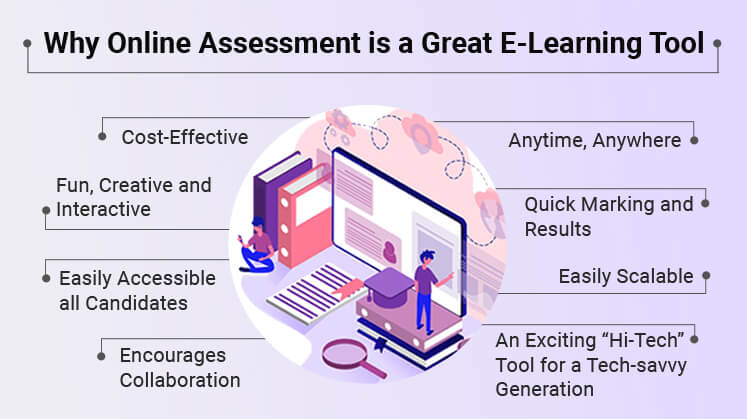
One of the key advantages of online assessments is flexibility. Traditional pen-and-paper exams often require students to be physically present in a specific location at a designated time. However, with online assessments, students can complete their assignments from anywhere at any time as long as they have an internet connection. This allows for greater flexibility in scheduling exams and reduces logistical challenges for both students and educators.
Another benefit is the immediate feedback provided by online assessment platforms. With traditional methods, it may take days or even weeks for teachers to grade assignments manually. Online platforms automate this process, providing instant feedback to students upon completion of their assessments. This real-time feedback enables students to identify areas where they need improvement while the material is still fresh in their minds.
Additionally, online assessments promote fairness and objectivity in grading. Human bias can sometimes play a role when teachers grade subjective assignments such as essays or projects manually. By using standardized rubrics on online platforms, grades are assigned based on predetermined criteria rather than personal preferences or biases.
Furthermore, online assessment platforms offer various question types that cater to different learning styles and allow for more interactive experiences compared to traditional methods. These platforms enable educators to create engaging quizzes with multiple-choice questions, fill-in-the-blank exercises, matching activities, multimedia elements like videos or images embedded within questions – all aimed at enhancing student engagement.
From an administrative perspective, implementing an online grading system helps save valuable time for educators by automating tasks such as data entry and calculation of final grades. Additionally, these systems generate comprehensive reports that provide insights into student performance trends over time – enabling teachers to identify areas of strength and weakness within the class.
However, it is important to note that online assessments and grading systems are not without their challenges. Technical issues such as internet connectivity problems or glitches in the platform can disrupt the assessment process. Moreover, some argue that online assessments may not accurately measure certain skills or competencies that are better evaluated through hands-on tasks or face-to-face interactions.
In conclusion, online assessments and grading systems offer numerous benefits for both students and educators. They provide flexibility in scheduling exams, immediate feedback to enhance learning outcomes, fairness in grading, and a wide range of question types for engaging experiences. While there may be some challenges associated with these systems, their advantages make them a valuable tool in alternative schooling and education settings.
 Alternative Amie
Leave a comment