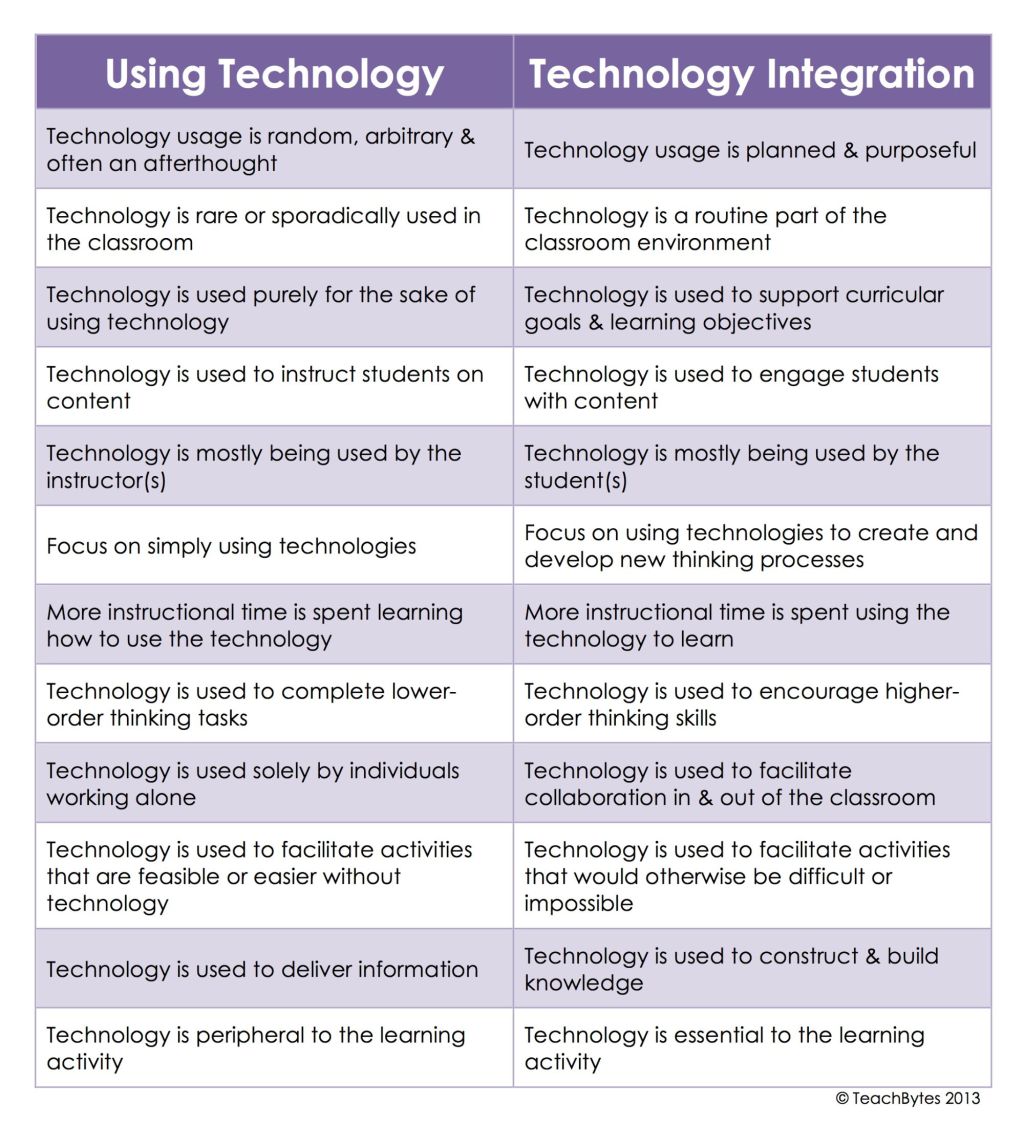
Technology Integration in Education: Enhancing Learning and Empowering Students
In today’s rapidly evolving world, technology has become an integral part of our daily lives. The field of education is no exception, as schools around the globe are embracing technology to enhance learning experiences for students. This integration of technology in education has revolutionized traditional teaching methods, making learning more engaging, interactive, and accessible.
One significant advantage of technology integration in education is the ability to personalize learning experiences. With the help of educational software and online platforms, teachers can tailor lessons according to individual student needs and interests. Technology allows for differentiated instruction, enabling students to learn at their own pace and level. For instance, with adaptive learning programs, students can receive targeted feedback and remediation based on their performance. This personalized approach fosters a deeper understanding of concepts by accommodating different learning styles.
Furthermore, technology provides access to a vast range of resources that go beyond textbooks and classroom materials. The internet offers a wealth of information from diverse sources worldwide, giving students limitless opportunities for research projects or exploration outside the curriculum. In addition, digital libraries provide access to e-books and articles anytime and anywhere – eliminating physical barriers associated with traditional libraries.
Collaborative learning is another area greatly enhanced by technology integration in education. Digital tools such as video conferencing platforms enable real-time collaboration among students from different locations or even countries. This promotes cross-cultural exchange while developing important skills like teamwork and communication through virtual group projects or discussions.
Moreover, gamification within educational apps or software engages students through interactive elements such as quizzes or challenges that reward progress or achievement levels. Gamified activities make learning fun while fostering healthy competition amongst peers; they also encourage self-motivation as students strive to achieve higher levels or earn rewards.
Technology also contributes significantly to inclusion in education by providing accessibility options for learners with disabilities or special needs. Assistive technologies like screen readers or speech-to-text applications allow visually impaired or dyslexic students to access and engage with educational content effectively. This creates an inclusive learning environment where every student can participate and excel.
Despite the numerous benefits, it is crucial to strike a balance between technology use and traditional teaching methods. While technology integration enhances classroom experiences, face-to-face interactions with teachers and peers remain essential for holistic development. Teachers should incorporate a variety of instructional techniques that combine digital tools with hands-on activities, discussions, and critical thinking exercises.
Furthermore, effective implementation of technology in education requires adequate training and support for teachers. Educators need guidance on selecting appropriate resources, integrating them seamlessly into the curriculum, troubleshooting technical issues, and ensuring online safety for students.
In conclusion, technology integration in education has transformed teaching practices by offering personalized learning experiences, enhancing collaboration opportunities both within the classroom and globally while promoting inclusion for all learners. As we continue to embrace technological advancements in education, it is vital to harness its potential effectively while maintaining a balance with traditional teaching methods. When used wisely as a tool rather than a replacement for human interaction, technology empowers students to become active learners ready to thrive in our ever-evolving digital world.
 Alternative Amie
Leave a comment