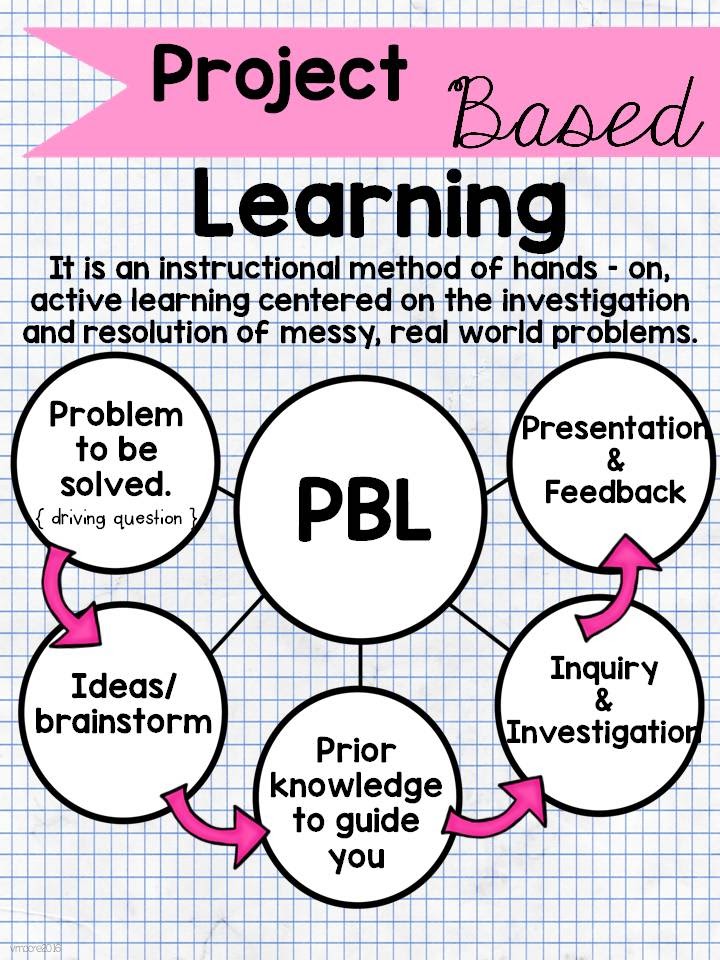
Project-Based Learning: A Journey Towards Authentic Education
Introduction:
In the traditional classroom setting, students are often passive recipients of knowledge, sitting through lectures and completing worksheets. However, in recent years, there has been a shift towards project-based learning (PBL), a teaching approach that promotes active engagement and deep understanding through real-world applications. As a writer and journalist who has experienced the transformative power of PBL firsthand, I would like to share my journey with you and shed light on the benefits it offers for alternative schooling and education.
Chapter 1: Embracing Active Learning
My journey into project-based learning began when I transferred from a conventional school to an alternative one that embraced progressive educational philosophies. Instead of memorizing facts from textbooks, we were challenged to investigate complex problems collaboratively by creating projects that required critical thinking skills. This departure from rote learning allowed me to take ownership of my education while developing essential life skills such as communication, creativity, and problem-solving.
Chapter 2: Fostering Authentic Engagement
One remarkable aspect of project-based learning is its ability to foster authentic engagement among students. By working on projects that align with their interests or have real-world significance, learners become deeply invested in their work. For instance, during an environmental science project, my classmates and I conducted research on local pollution sources and proposed sustainable solutions for our community. This hands-on experience not only heightened our motivation but also provided us with opportunities to make meaningful contributions beyond the classroom walls.
Chapter 3: Cultivating Collaboration
Collaboration lies at the heart of project-based learning. Unlike traditional instruction where students often compete against each other for grades or recognition, PBL encourages teamwork and cooperation. Through group projects spanning various disciplines – including science experiments or historical reenactments – I discovered the power of collective intelligence. Sharing diverse perspectives enhanced our problem-solving abilities while fostering empathy and respect for others’ ideas.
Chapter 4: Nurturing Critical Thinking Skills
In project-based learning, students are challenged to think critically and analytically. Rather than passively absorbing information, they must actively seek out knowledge to understand complex concepts and solve intricate problems. As I tackled a literature project on Shakespeare’s plays, I delved into historical contexts, analyzed characters’ motivations, and examined social themes – all of which deepened my understanding of the texts while honing my critical thinking skills.
Chapter 5: Encouraging Creativity
Creativity is often stifled in traditional classrooms that prioritize standardized testing and rigid curricula. However, project-based learning provides an ideal environment for nurturing imaginative thinking. Whether designing a sustainable city or composing original music for a short film project, PBL empowers students to explore their creative potential without fear of failure or judgement. This freedom sparks joy and curiosity while fostering innovation – qualities that are increasingly valued in our rapidly evolving world.
Chapter 6: Fostering Autonomy and Self-Direction
Project-based learning nurtures autonomy by allowing students to take charge of their own education journey. In this approach, educators act as facilitators rather than lecturers, guiding learners through the process but giving them the agency to make decisions about their projects. This autonomy fosters self-direction as students set goals, plan timelines, manage resources independently, and reflect on their progress along the way. Such responsibility not only prepares them for higher education or the workforce but also helps build resilience and confidence.
Conclusion:
As I reflect upon my experience with project-based learning throughout my educational journey so far, it becomes clear that this approach offers immense benefits for alternative schooling and education overall. By embracing active learning methods like PBL alongside conventional teaching techniques, we can create well-rounded individuals equipped with essential skills needed in today’s ever-changing world – critical thinking abilities, collaboration aptitude creativity fostered by authentic engagement combined with autonomy and self-direction.
The shift towards project-based learning represents a paradigm shift in education – one that empowers students to become active participants in their own learning process. By embracing this approach, we can cultivate a love for lifelong learning while equipping future generations with the skills and mindset necessary to thrive in an increasingly complex and interconnected world.
 Alternative Amie
Leave a comment