Peer Assessment for Social and Emotional Development: A Powerful Tool for Alternative Education
In the realm of alternative schooling and education, there are various methodologies that prioritize social and emotional development alongside academic growth. One such method is peer assessment, a powerful tool that fosters self-awareness, empathy, collaboration, and critical thinking skills among students.
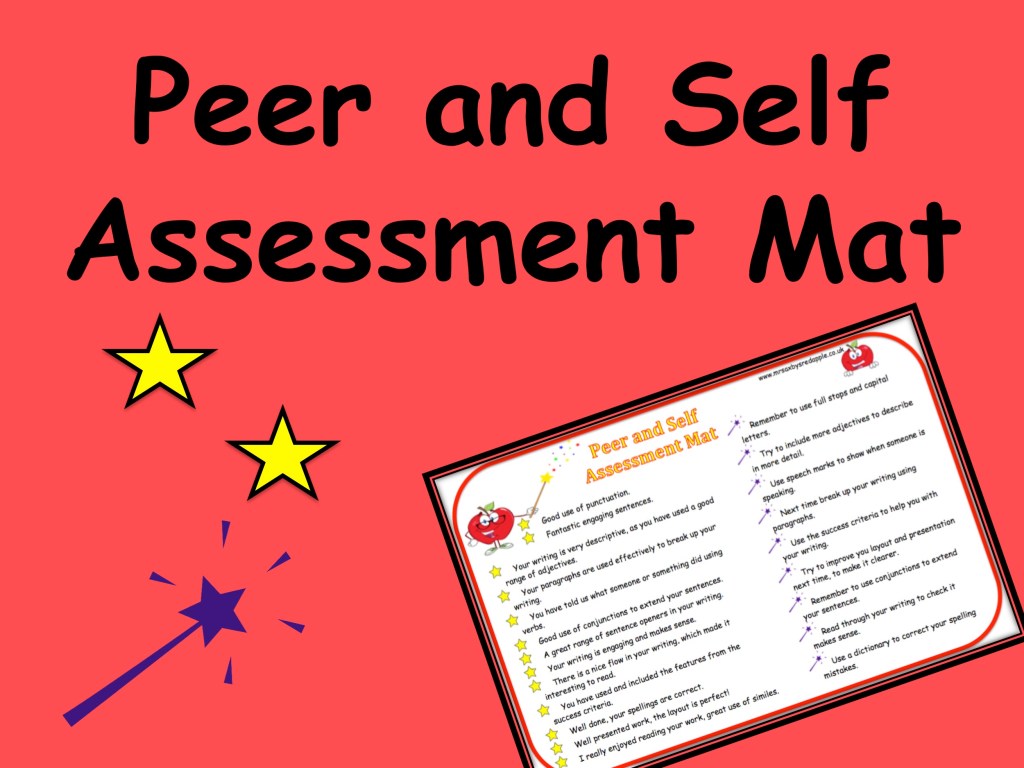
Peer assessment involves students evaluating each other’s work or behavior based on predetermined criteria. It creates an environment where learners actively engage with their peers’ strengths and weaknesses while reflecting upon their own abilities. By participating in this process, students develop a deeper understanding of their own capabilities as well as those of others.
One key benefit of peer assessment is its ability to enhance self-awareness. When evaluating the work of their peers, students gain insights into different perspectives and learning styles. This helps them recognize their own strengths and areas for improvement in a non-threatening manner. Through constructive feedback from classmates, they become more conscious of how they can further develop their competencies.
Moreover, peer assessment cultivates empathy among students. As they assess the efforts of others, they develop a sense of understanding and appreciation for diverse talents and backgrounds. This experience promotes inclusivity within the classroom community by valuing individual differences rather than fostering competition.
Furthermore, peer assessment nurtures collaboration skills essential for success in both personal relationships and future professional endeavors. Students learn to communicate effectively when providing feedback or discussing evaluations with one another. They also realize the importance of teamwork as they collaborate on group assessments or projects together.
Additionally, engaging in peer assessment encourages critical thinking skills. By critically analyzing the work or behavior of their peers against established criteria, students learn to evaluate information objectively rather than relying solely on personal biases or assumptions. This fosters intellectual growth by challenging them to think critically about different ideas and perspectives.
To implement effective peer assessment strategies in alternative education settings:
1) Establish clear guidelines: Set specific criteria for evaluation so that all participants understand the expectations. This ensures fairness and consistency in assessments.
2) Encourage constructive feedback: Teach students how to provide feedback that is helpful, respectful, and focused on improvement rather than criticism. Emphasize the importance of empathy and encouragement when offering suggestions for growth.
3) Provide guidance and support: Offer guidance throughout the process, especially initially, to help students develop their evaluation skills. Model effective assessment techniques and facilitate discussions that promote deeper understanding.
4) Foster a safe learning environment: Create an atmosphere of trust where students feel comfortable sharing their work or behavior for assessment. Encourage open dialogue and emphasize that peer assessment is a tool for growth rather than judgment.
In conclusion, peer assessment is a valuable tool for alternative education as it promotes social and emotional development alongside academic progress. By engaging in this practice, students develop self-awareness, empathy, collaboration skills, and critical thinking abilities – essential competencies needed to thrive in today’s interconnected world.
 Alternative Amie
Leave a comment