Introduction:
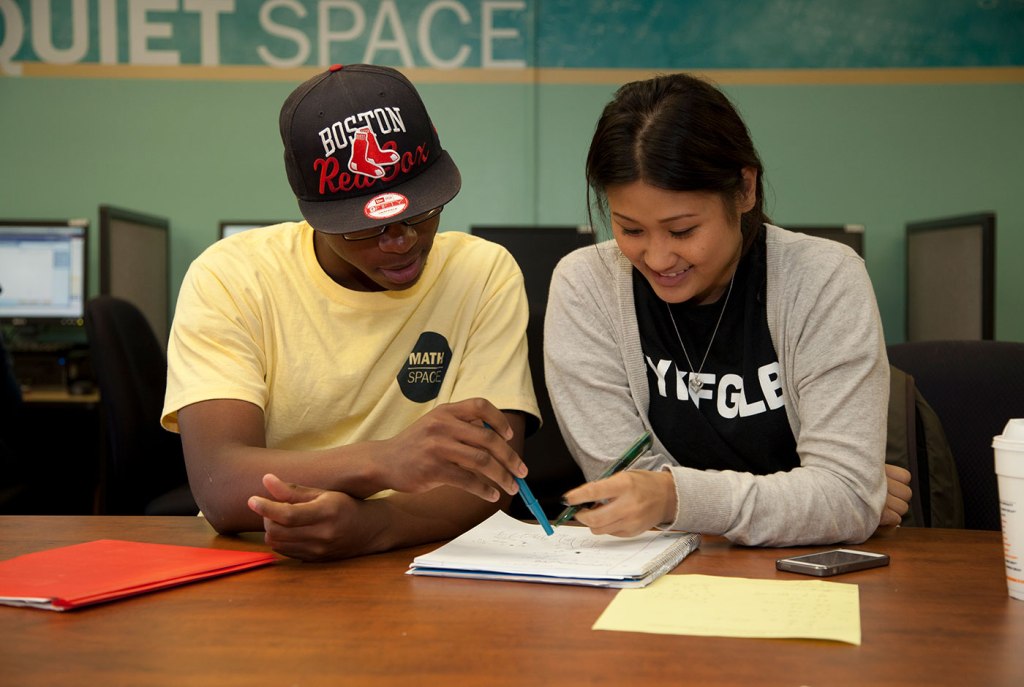
Early college programs have gained significant attention in recent years as an innovative approach to education. These programs offer high school students the opportunity to earn college credit while still enrolled in high school, providing them with a head start on their postsecondary education. There are various models of early college programs, including dual enrollment and early college high schools, each offering unique benefits and challenges for students. In this article, we will explore the different aspects of early college education, including its impact on at-risk students, career readiness, social-emotional development, student engagement, personalized learning, project-based learning, challenges faced by students, support systems available to them, equity considerations and the role of technology.
Benefits of Early College for At-Risk Students:
Early college programs can have a transformative impact on at-risk students who may face barriers to success in traditional educational settings. By engaging in rigorous coursework and experiencing a college environment firsthand, these students gain valuable skills and confidence that can propel them towards future academic and professional success. Research has shown that participation in early college programs significantly increases high school graduation rates among at-risk students compared to their peers who do not participate.
Early College and Career Readiness:
One of the primary goals of early colleges is to prepare students for successful careers beyond high school. These programs provide opportunities for career exploration through internships and apprenticeships that allow students to develop real-world skills related to their areas of interest. By exposing them to various industries and professions at an earlier stage in their educational journey, early colleges help foster career readiness among participating students.
Early College and Social-Emotional Development:
In addition to academic preparedness for postsecondary education or careers, early colleges also prioritize social-emotional development among their participants. Through mentorship programs and counseling services offered within these institutions or through partnerships with external organizations or practitioners ,students receive guidance regarding personal growth strategies such as self-awareness building,resilience enhancement etc., tailored specifically to their needs. These programs aim to support students in developing self-confidence, emotional intelligence, and a sense of belonging within the college community.
Early College and Student Engagement:
Early colleges often employ innovative teaching methods that promote student engagement. With smaller class sizes and a focus on experiential learning, these programs encourage active participation, critical thinking, and collaboration among students. This approach not only enhances their academic performance but also fosters a deeper understanding of the subject matter.
Early College and Personalized Learning:
Personalized learning is at the core of early college education. By allowing students to choose courses based on their interests and abilities, early colleges provide them with greater autonomy over their educational journey. This personalized approach helps students develop ownership of their learning experience while also catering to individual strengths and weaknesses.
These are just some of the many aspects related to early college education that demonstrate its potential for transforming traditional schooling models. From providing opportunities for at-risk students to fostering career readiness, social-emotional development, student engagement, personalized learning,and project-based learning –early colleges offer unique advantages compared to traditional high schools. While challenges do exist concerning equity considerations or financial implications for participating families ,the benefits outweigh the drawbacks as evidenced by successful case studies from around the world . As more emphasis is placed on preparing students for postsecondary success or bridging skills gaps in various industries ,early college programs continue to gain recognition as an effective solution in alternative education models
 Alternative Amie
Leave a comment