Incorporating Movement in Flexible Seating: Enhancing Learning and Engagement
Flexible seating has gained popularity in educational settings due to its ability to provide students with choice, comfort, and a sense of ownership over their learning environment. This innovative approach moves away from the traditional concept of rows of desks and encourages students to explore various seating options that best suit their individual needs. However, while flexible seating promotes autonomy and collaboration, it is also important to incorporate movement into this setup to further enhance student engagement and overall well-being.
Research shows that movement plays a crucial role in cognitive development as it stimulates brain activity and improves concentration. By incorporating movement opportunities within flexible seating arrangements, educators can create an environment that supports active learning while accommodating diverse learning styles.
One way to introduce movement is by incorporating standing desks or adjustable-height tables into the classroom setup. These allow students the freedom to alternate between sitting and standing positions throughout the day. Standing not only helps increase blood circulation but also activates different muscle groups, promoting better focus and alertness.
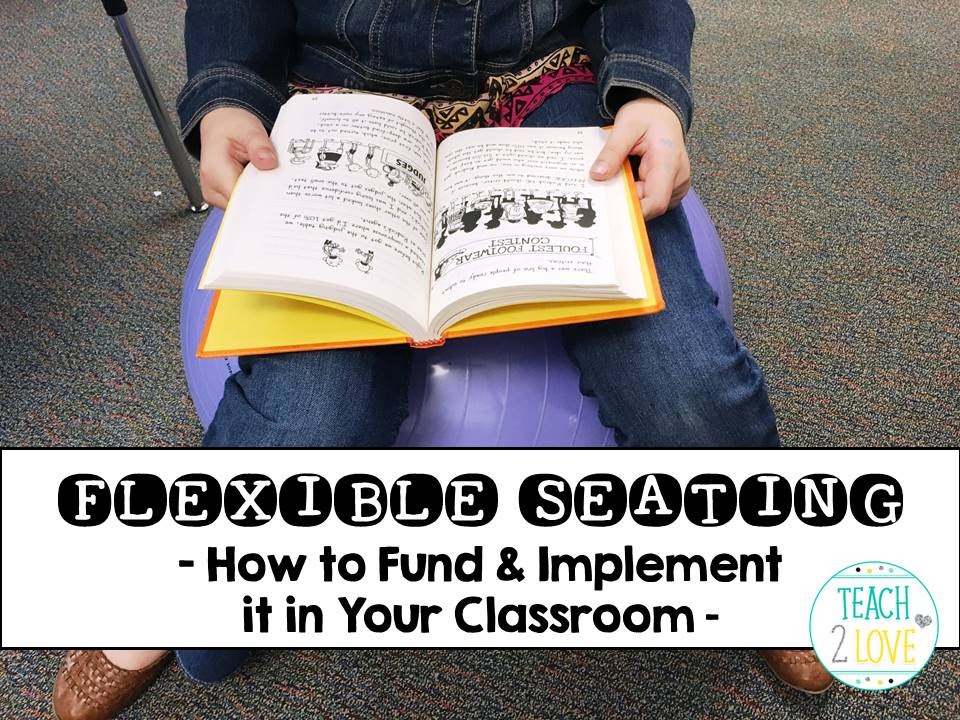
Another effective method is integrating exercise balls or wobble cushions within the classroom space. Sitting on these dynamic surfaces engages core muscles, improves balance, and encourages subtle movements that help prevent restlessness during prolonged periods of sitting. Furthermore, they offer sensory input for students who benefit from tactile stimulation.
To promote whole-body engagement, educators can consider implementing active learning stations where students can engage in physical activities related to lesson content. For example, setting up a mini-library area with yoga mats allows students to read while stretching or practicing mindfulness exercises. Incorporating small trampolines or balance boards at designated stations provides an outlet for excess energy while maintaining focus on academic tasks.
Teachers can also encourage short breaks throughout the day dedicated solely to movement-based activities. These breaks could include quick energizers like dance parties or simple stretching routines that refresh both body and mind before diving back into lessons.
Furthermore, outdoor spaces should not be overlooked when considering movement in flexible seating. Incorporating nature into the learning environment offers numerous benefits, including increased creativity and reduced stress levels. Providing outdoor seating options like benches or picnic tables can encourage students to take their work outside, allowing them to connect with nature while engaging in academic tasks.
Additionally, incorporating movement-friendly technology can further enhance the integration of physical activity within flexible seating arrangements. Tools such as interactive whiteboards or mobile devices equipped with educational apps that require physical interaction, like virtual reality experiences or fitness-based games, can engage students in active learning while still achieving curricular goals.
It is essential to note that incorporating movement should be done intentionally and with clear guidelines to ensure a productive learning environment. Proper instruction on how and when to use different seating options and movement opportunities is crucial. Establishing expectations for noise levels during certain activities helps maintain an atmosphere conducive to focus and collaboration.
Regular communication between educators, students, and parents is vital throughout this process. Educators should seek feedback from students regarding their preferences for particular seating options or suggestions for new ways to incorporate movement into the classroom. Parents should also be informed about the benefits of flexible seating and encouraged to support similar practices at home.
In conclusion, incorporating movement within flexible seating arrangements has significant benefits for both student engagement and overall well-being. By providing opportunities for varied positions (e.g., standing desks), dynamic surfaces (e.g., exercise balls), active learning stations (e.g., reading areas with yoga mats), frequent breaks dedicated solely to movement-based activities, utilizing outdoor spaces creatively, integrating technology that encourages physical interaction, setting clear guidelines for usage of these resources, and maintaining open communication channels among all stakeholders involved—educators can cultivate an environment that promotes holistic growth through active learning strategies combined with personalized comfort choices afforded by flexible seating arrangements.
As we strive towards creating inclusive educational environments where every child’s needs are met effectively, embracing innovative approaches like incorporating movement into flexible seating allows us to cater to diverse learning styles, promote engagement, and foster an environment that supports the overall development of each student.
 Alternative Amie
Leave a comment