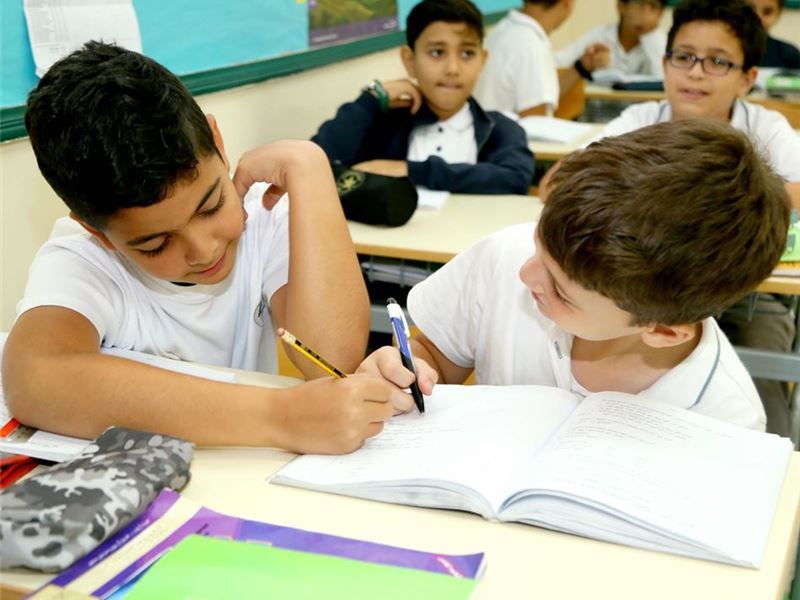
Peer Tutoring: Unlocking the Power of Collaboration in Education
In traditional classrooms, the teacher is often seen as the sole source of knowledge and guidance. However, alternative education approaches have been gaining popularity in recent years, focusing on student-centered learning and peer collaboration. One such approach that has proven to be highly effective is peer tutoring.
Peer tutoring involves students teaching and supporting one another through various academic tasks. This practice not only enhances students’ understanding of subjects but also fosters a sense of responsibility and leadership among peers.
The benefits of peer tutoring are numerous. First and foremost, it creates a positive learning environment where students feel comfortable seeking help from their peers without fear of judgment or embarrassment. When students learn from their classmates who have already mastered a concept or subject, they can relate to each other’s struggles better than an adult teacher might.
Furthermore, peer tutoring promotes active engagement in learning. Students involved in this approach take ownership of their education by actively participating in both teaching and being taught. Through explaining concepts to others, tutors reinforce their own understanding while tutees develop deeper comprehension by receiving explanations tailored to their individual needs.
Research shows that engaging in peer tutoring can significantly improve academic performance across all subjects. A study conducted by the National Institutes of Health found that students who participated in regular peer tutoring sessions experienced significant gains in reading comprehension compared to those who did not engage in such activities.
Moreover, peer tutoring has been shown to enhance critical thinking skills. By working collaboratively with peers, students are exposed to different perspectives and approaches that challenge their own thinking processes. This diversity encourages them to think critically about concepts and solutions, leading to more well-rounded learning outcomes.
Additionally, peer tutoring builds self-confidence among both tutors and tutees alike. Tutors develop leadership skills as they guide others through challenging topics successfully, boosting their self-esteem and sense of competence. On the other hand, struggling learners gain confidence when they receive support from someone who understands their difficulties, leading to increased motivation and a belief in their own abilities.
Not only does peer tutoring benefit the students directly involved, but it also creates a sense of community within the classroom. By fostering cooperative learning environments, students develop empathy, teamwork skills, and respect for one another’s strengths and weaknesses. This collaborative atmosphere can lead to improved overall behavior and positive social interactions among classmates.
Implementing peer tutoring programs requires careful planning and support from educators. Teachers must identify potential tutors based on their understanding of specific subjects and interpersonal skills. Providing adequate training for tutors is crucial to ensure they possess effective teaching strategies and methods.
Furthermore, regular monitoring by teachers is essential to assess both the progress of tutees and the effectiveness of tutoring sessions. This allows for adjustments in instruction if needed, ensuring that all students receive appropriate support tailored to their individual needs.
In conclusion, peer tutoring is an effective approach that harnesses the power of collaboration in education. By providing opportunities for students to teach and learn from one another, this practice not only enhances academic performance but also fosters important life skills such as critical thinking, self-confidence, empathy, and teamwork. As alternative education models continue to gain traction worldwide, incorporating peer tutoring into classrooms should be considered a valuable tool for student success.
 Alternative Amie
Leave a comment