Cultivating a Growth Mindset in Self-Paced Learners
In today’s rapidly changing world, self-paced learning has become increasingly popular. With the flexibility and convenience it offers, more and more individuals are opting for this alternative approach to education. However, one challenge that self-paced learners often face is maintaining motivation and overcoming obstacles on their learning journey. Cultivating a growth mindset can play a crucial role in helping these individuals navigate through the ups and downs of self-paced learning.
What is a growth mindset?
A growth mindset refers to the belief that intelligence, abilities, and talents can be developed through dedication, hard work, and perseverance. It is the opposite of a fixed mindset, which assumes that qualities such as intelligence are fixed traits that cannot be changed or improved upon.
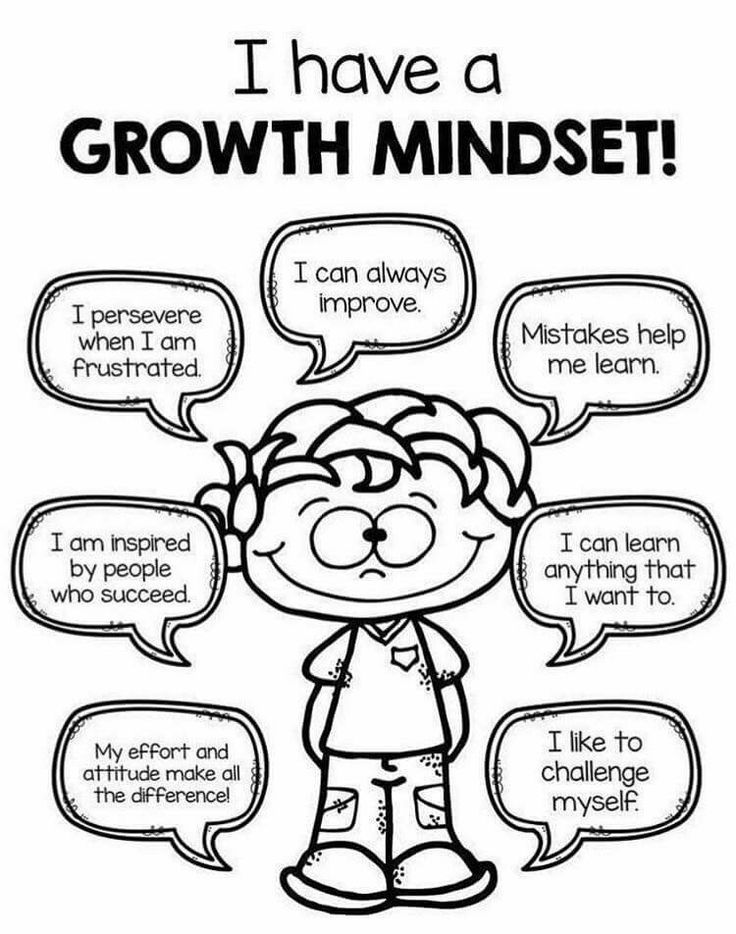
The concept of a growth mindset was popularized by psychologist Carol Dweck in her book “Mindset: The New Psychology of Success.” According to Dweck’s research, individuals with a growth mindset are more likely to embrace challenges, persist in the face of setbacks, see effort as necessary for success, learn from criticism, and find inspiration in others’ achievements.
Why is cultivating a growth mindset important for self-paced learners?
Self-paced learners have unique characteristics compared to traditional classroom-based learners. They must take responsibility for their own progress without external deadlines or guidance from teachers or peers. This independence can lead to increased freedom but also greater challenges when it comes to staying motivated and focused.
By cultivating a growth mindset, self-paced learners can turn these challenges into opportunities for personal development. Here are some key reasons why developing this kind of mindset is essential:
1. Embracing Challenges: Self-paced learners often encounter difficulties along their educational journey—whether it be understanding complex concepts or managing time effectively. Having a growth mindset allows them to view these challenges as opportunities for growth rather than insurmountable obstacles.
2. Persistence: Learning independently requires discipline and perseverance. With a growth mindset, self-paced learners are more likely to persist in the face of setbacks. They understand that failure is not permanent but rather a stepping stone towards improvement.
3. Effort as Essential: A growth mindset helps self-paced learners recognize the importance of effort in achieving their goals. They understand that success is not solely dependent on innate abilities but also on putting in consistent effort and practice.
4. Learning from Criticism: Constructive feedback is an invaluable part of any learning process. Self-paced learners with a growth mindset are open to receiving criticism and view it as an opportunity for improvement rather than a personal attack.
5. Inspiration from Others: Cultivating a growth mindset allows self-paced learners to find inspiration in the successes of others without feeling threatened or discouraged by them. Rather than comparing themselves unfavorably, they see others’ achievements as valuable lessons and motivation for their own progress.
Strategies for cultivating a growth mindset
Now that we understand why developing a growth mindset is crucial for self-paced learners let’s explore some strategies to help cultivate this mindset:
1. Develop self-awareness: Encourage self-paced learners to reflect on their beliefs about intelligence and abilities. Help them identify any fixed-mindset thoughts they may hold and work together to challenge these beliefs.
2. Set realistic goals: Goal-setting plays a vital role in maintaining motivation throughout the learning journey. Encourage self-paced learners to set specific, achievable goals that align with their interests and aspirations.
3. Emphasize the process over outcomes: Instead of focusing solely on grades or end results, encourage self-paced learners to pay attention to their progress, efforts, and areas where they have improved over time.
4. Provide constructive feedback: As an instructor or mentor, offer regular feedback that emphasizes both strengths and areas for improvement while highlighting the value of effort and perseverance.
5. Promote continuous learning: Encourage self-paced learners to seek new challenges and expand their knowledge beyond their comfort zones. Inspire them to explore new subjects, take on different learning methods, or engage in collaborative projects.
6. Foster a supportive environment: Create communities or peer groups where self-paced learners can connect with others who share similar interests and goals. This sense of belonging and support can significantly contribute to cultivating a growth mindset.
Conclusion
In the world of self-paced learning, cultivating a growth mindset is paramount for success and fulfillment. By embracing challenges, persisting in the face of setbacks, recognizing the importance of effort, learning from criticism, and finding inspiration in others’ achievements, self-paced learners can navigate their educational journeys with confidence and resilience. With these strategies at hand, educators have the power to empower individuals on their path towards achieving their full potential through self-paced education.
 Alternative Amie
Leave a comment