Technology in Education: Transforming Alternative Schooling and Education
Introduction:
In today’s rapidly evolving world, technology has become an integral part of our daily lives. It has revolutionized various sectors, including education. Technology in education not only enhances traditional teaching methods but also offers new and innovative approaches to alternative schooling and education. In this article, we will explore how technology is transforming the landscape of alternative schooling and education.
1. Access to Information:
One of the most significant benefits of technology in alternative schooling is the access it provides to a vast amount of information. Students can now easily search for relevant content online, expanding their knowledge beyond what traditional textbooks offer. This accessibility helps foster independent learning and encourages students to explore diverse subjects that align with their interests.
2. Personalized Learning:
Technology enables personalized learning experiences tailored to each student’s needs and preferences. With adaptive learning software or platforms, educators can create customized lesson plans based on individual strengths, weaknesses, and learning styles. This approach ensures that students receive targeted instruction at their own pace, improving overall engagement and academic performance.
3. Collaboration Opportunities:
Collaboration among students plays a vital role in alternative schooling environments fostering creativity, critical thinking skills, and problem-solving abilities. Technology facilitates seamless collaboration through virtual classrooms or video conferencing tools where students from different locations can connect instantly regardless of distance barriers.
4. Remote Learning:
The COVID-19 pandemic accelerated the adoption of remote learning worldwide; however, even before this crisis hit, technology had already opened doors for remote education opportunities in alternative schooling settings such as homeschooling or online schools. Distance learning allows flexibility for both teachers and students while still maintaining effective educational experiences.
5. Interactive Learning Tools:
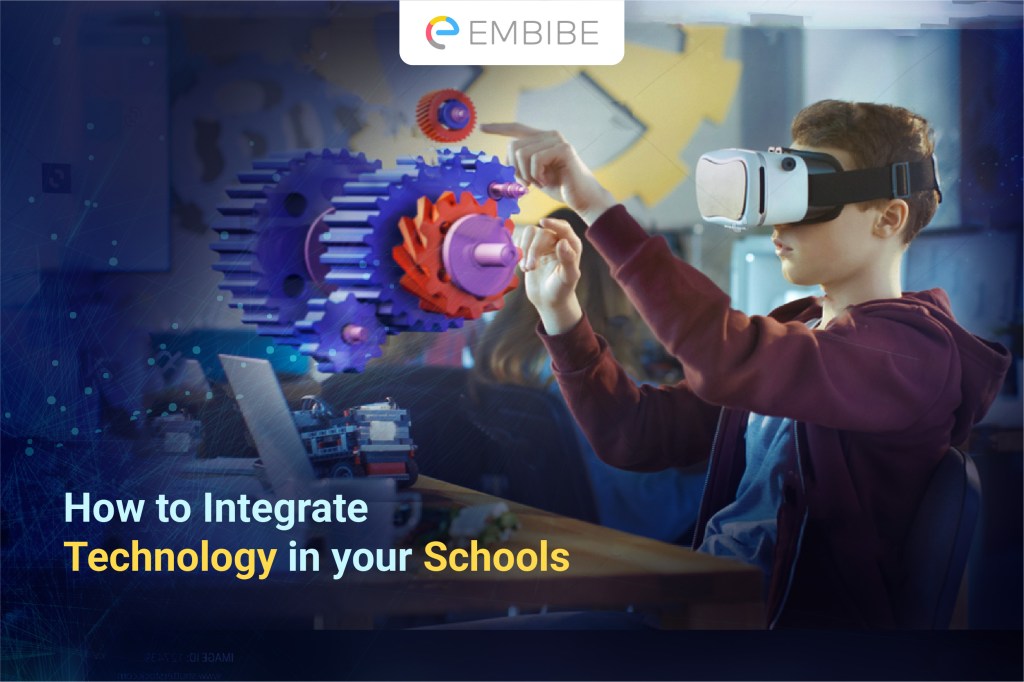
Gone are the days when textbooks were the primary source of information for learners; interactive digital tools have taken over classrooms by storm! From educational apps to virtual reality simulations or augmented reality applications – these tools engage students actively in the learning process, making it more enjoyable and immersive.
6. Gamification:
Integrating gamification into alternative schooling methods can significantly enhance student motivation and engagement. Educational games promote interactive learning by incorporating elements like rewards, challenges, and competition. This approach helps students develop essential skills while enjoying the educational journey.
7. Enhancing Communication Channels:
Technology has revolutionized communication channels in education, allowing for seamless interaction between teachers, students, and parents. Online platforms or messaging apps enable real-time communication to discuss assignments, share feedback, or address concerns promptly. These improved communication channels foster stronger relationships among all stakeholders involved in alternative schooling.
8. Data-Driven Decision Making:
Technology provides educators with valuable insights into student performance through data analytics tools. By analyzing this data, teachers can identify areas where students may be struggling or excelling and adapt their teaching strategies accordingly. Data-driven decision making ensures that interventions are specifically targeted to meet individual student needs.
9. Virtual Field Trips:
Traditional field trips may sometimes be challenging to organize in alternative schooling environments; however, technology offers an innovative solution through virtual field trips! Students can explore famous landmarks worldwide from the comfort of their classrooms using virtual reality technology or online tour platforms.
10. Special Education Support:
Technology plays a crucial role in providing support for students with special needs in alternative schooling settings as well. Assistive technologies such as text-to-speech software or speech recognition tools help bridge the learning gap for these individuals by accommodating their specific requirements.
11.Technology Literacy Skills:
Incorporating technology into alternative schooling equips students with essential digital literacy skills necessary for success in today’s tech-driven world. By integrating technology at an early stage of education, students become familiar with various software applications and develop critical thinking skills to navigate digital spaces effectively.
12.Future-Ready Skills Development:
Lastly, technology prepares students for future careers by developing vital 21st-century skills such as problem-solving abilities, digital literacy, collaboration, and adaptability. Alternative schooling environments that embrace technology ensure their students are well-equipped to thrive in a rapidly changing job market.
Conclusion:
Technology has transformed the landscape of alternative schooling and education, providing numerous benefits for both educators and students. From access to information and personalized learning experiences to fostering collaboration and developing future-ready skills, technology continues to revolutionize the way we approach education. By embracing these advancements, alternative schools can create dynamic learning environments that prepare students for success in the modern world.
 Alternative Amie
Leave a comment