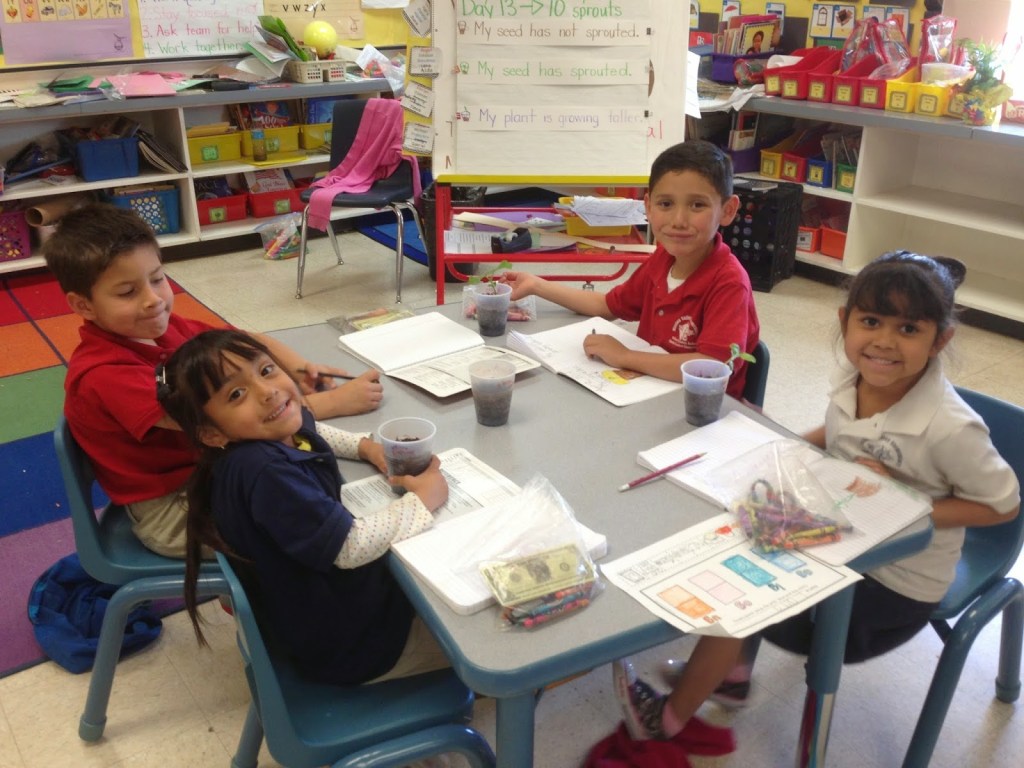
Cooperative learning is a teaching method that promotes active participation, collaboration, and mutual support among students. It is an approach that encourages students to work together in small groups or teams to achieve common goals. In this article, we will explore the role of students in cooperative learning and how it contributes to their overall education.
One of the fundamental aspects of cooperative learning is that it places students at the center of the learning process. Instead of passively receiving information from teachers, students become active participants who take ownership of their education. This shift in responsibility empowers them to engage more deeply with the subject matter and develop a deeper understanding.
In a cooperative learning setting, each student has unique strengths and contributions they bring to the group. Some may excel at problem-solving while others have strong leadership skills or creative thinking abilities. By harnessing these individual talents and pooling them together, students can tackle complex tasks more effectively than if they were working individually.
The role of students in cooperative learning goes beyond just sharing knowledge; they also become teachers themselves. When explaining concepts or discussing ideas with their peers, students enhance their own understanding by articulating thoughts clearly and simplifying complex topics for others’ comprehension. This act of teaching not only helps consolidate knowledge but also improves communication skills.
Moreover, within a cooperative environment, every student’s voice is valued and heard. The collaborative nature fosters open dialogue where diverse perspectives are respected and appreciated. Students learn how to listen actively, consider alternative viewpoints, negotiate differences constructively, and arrive at consensus decisions collectively – all crucial life skills that extend well beyond academic pursuits.
Through cooperation rather than competition, learners develop essential social-emotional skills such as empathy, respect for others’ opinions, patience, tolerance for frustration, conflict resolution abilities – skills that are vital both inside and outside the classroom walls.
Another critical aspect where students play a central role in cooperative learning is peer assessment or evaluation within their groups. Self-assessment and reflection are essential components of the learning process, but when students can provide constructive feedback to their peers, it enhances both the quality of work produced and individual growth. By evaluating each other’s performance, students develop critical thinking skills, learn to recognize strengths and weaknesses in themselves and others, and further refine their own understanding of the subject matter.
The role of students in cooperative learning is not limited to academic achievements; it also impacts their personal development significantly. Working collaboratively in a diverse group setting allows them to build relationships with classmates they may not have interacted with otherwise. Cooperative learning breaks down barriers between different backgrounds, cultures, abilities, or personalities as students learn to appreciate diversity and value everyone’s unique contributions.
Moreover, by actively engaging with their peers during cooperative activities, students develop vital teamwork skills necessary for success in professional settings later on. They learn how to delegate tasks efficiently, communicate effectively within a team structure, resolve conflicts professionally – all attributes highly sought after by employers.
Furthermore, cooperative learning provides opportunities for leadership development among students. While some may naturally take charge in group projects or discussions, others who are initially reluctant can gradually acquire leadership skills through shared responsibilities and practice. This nurturing ground allows future leaders to emerge while ensuring that every student has an equal chance to contribute meaningfully.
In conclusion, the role of students in cooperative learning is multifaceted and integral to its success. Through active participation, collaboration with peers from diverse backgrounds or abilities and taking responsibility for their own education journey – learners become more engaged intellectually while simultaneously developing essential social-emotional skills necessary for future success. By embracing this approach wholeheartedly within educational institutions worldwide – we prepare our youth not just academically but holistically for the challenges they will face beyond the classroom walls.
 Alternative Amie
Leave a comment