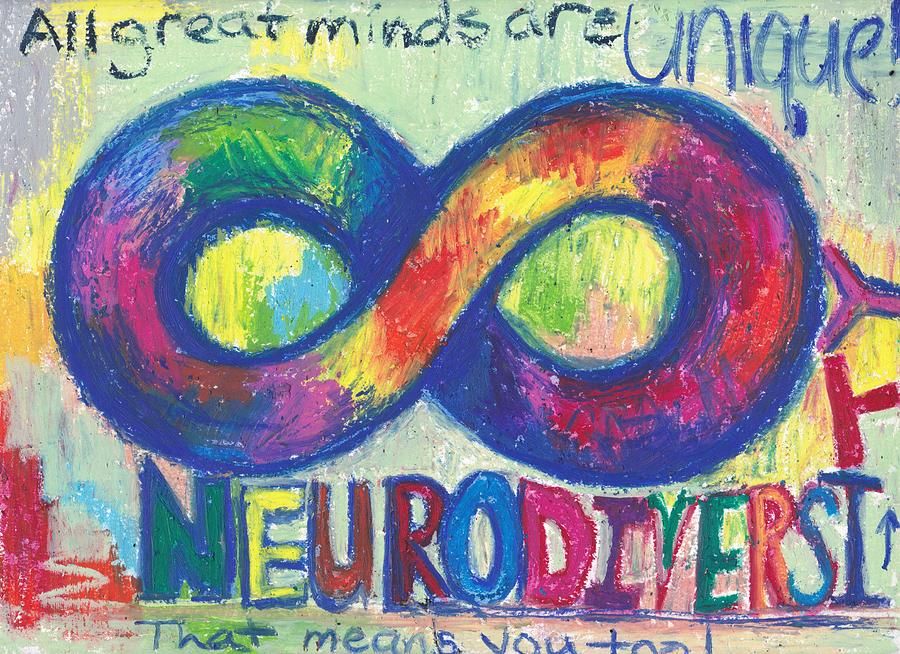
Neurodiversity in the Arts: Celebrating Differences and Creativity
Introduction:
The neurodiversity movement has gained significant attention in recent years, promoting the idea that neurological differences should be recognized and respected as a natural part of human diversity. This movement encompasses a wide range of conditions such as autism, ADHD, dyslexia, and more. In this article, we will explore how neurodivergent individuals contribute to the arts and how their unique perspectives enhance creativity.
1. Sensory Processing Differences:
Neurodivergent individuals often have sensory processing differences which can affect their experiences with art. Some may find certain sounds or textures overwhelming, while others may have heightened sensitivity to visual stimuli. Artists who are aware of these differences can create inclusive environments that cater to diverse sensory needs.
2. Executive Functioning Challenges:
Executive functioning refers to a set of mental skills that include organization, planning, and impulse control. Many neurodivergent individuals struggle with executive functioning challenges, which may impact their artistic process or ability to meet deadlines. By providing accommodations such as flexible schedules or task breakdowns, artists can support the creative endeavors of neurodivergent individuals.
3. Hyperfocus and Intense Interests:
Hyperfocus is a common trait among neurodivergent individuals wherein they become deeply engrossed in a particular subject or activity for an extended period. This intense focus often leads to exceptional expertise or artistic talent within specific areas of interest. Recognizing and nurturing these intense interests can foster remarkable artistic achievements.
4. Giftedness and Neurodivergence:
Giftedness is not exclusive to neurotypical individuals; many neurodivergent people possess exceptional cognitive abilities in various domains like music composition or visual arts. By embracing diverse talents within the artistic community, we promote inclusivity and recognize the potential for outstanding contributions from all individuals.
5. Social Communication Difficulties:
Many neurodivergent individuals experience challenges in social communication, making it difficult to express themselves verbally or interpret nonverbal cues. Art can serve as a powerful means of communication for these individuals, providing an outlet for self-expression and connecting with others on a deeper level.
6. Neurodivergent Parenting Experiences:
Neurodivergent parents offer unique insights into the experiences of neurodiverse children within the arts. Their perspectives provide valuable guidance for creating inclusive artistic spaces that cater to the needs and interests of all children, regardless of their neurotype.
7. Intersectionality and Neurodiversity:
The intersectionality between neurodiversity and other identity factors such as race, gender, or sexuality cannot be overlooked. It is crucial to ensure that diverse voices are heard and represented within the arts community to create an inclusive environment where everyone feels valued and included.
8. Neurodiversity and Mental Health:
Neurodivergent individuals often face mental health challenges due to societal stigmatization or difficulties navigating everyday life. The arts can play a vital role in promoting positive mental health by offering opportunities for self-expression, reducing anxiety, fostering creativity, and building supportive communities.
9. Assistive Technology for Neurodivergent Learners:
Assistive technology tools like text-to-speech software or sensory aids can greatly benefit neurodivergent learners in their artistic pursuits. These tools enable them to overcome barriers related to reading difficulties or sensory sensitivities while enhancing their ability to engage with artforms effectively.
10. Neurodiversity in the Workplace:
Employers are increasingly recognizing the value that neurodivergent employees bring to the workplace, including their creative problem-solving skills and unique perspectives on projects. By embracing workplace diversity through inclusive hiring practices and accommodations, businesses can tap into the talents of neurodivergent individuals within creative industries.
Conclusion:
The neurodiversity movement emphasizes celebrating differences rather than viewing neurological conditions as deficits. In the arts, neurodivergent individuals offer fresh perspectives, heightened creativity, and unique talents that enrich the artistic landscape. By fostering inclusive environments, providing accommodations, and promoting understanding and acceptance, we can create a world where neurodiversity is celebrated in all its forms within the realms of art and beyond.
 Alternative Amie
Leave a comment