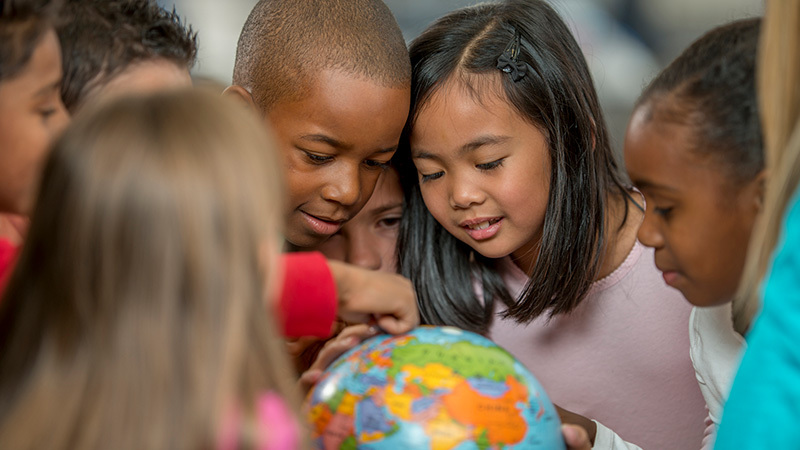
Multicultural education is an approach to teaching and learning that values diversity and promotes the understanding and appreciation of different cultures. It aims to create inclusive and equitable learning environments where students from diverse backgrounds can thrive academically, socially, and emotionally.
In a multicultural classroom, students are exposed to a range of cultural perspectives, beliefs, traditions, languages, and experiences. This helps them develop a global mindset and prepares them for success in an increasingly interconnected world. Multicultural education also plays a crucial role in challenging stereotypes, reducing prejudice, promoting social justice, and fostering empathy among students.
One of the key principles of multicultural education is curriculum integration. This involves incorporating diverse perspectives into all areas of the curriculum rather than treating culture as a separate subject. For example, history lessons could explore multiple viewpoints on significant events from different cultural perspectives. Literature studies could include works by authors from various ethnic backgrounds or countries. By doing so, educators provide opportunities for all students to see themselves reflected in the curriculum while also broadening their understanding of other cultures.
Culturally responsive teaching is another essential component of multicultural education. This teaching approach recognizes that students’ cultural backgrounds influence their learning styles and preferences. Educators who adopt culturally responsive practices strive to connect with their students on a personal level by acknowledging their unique identities while adapting instructional strategies to meet individual needs.
Multicultural classrooms also promote critical thinking skills by encouraging open discussions about cultural differences and similarities. Students learn to evaluate information critically while respecting diverse opinions. They develop the ability to challenge stereotypes through analysis and evidence-based arguments.
In addition to classroom practices, creating an inclusive school environment is paramount in multicultural education. School policies should prioritize diversity hiring practices among faculty members who can serve as positive role models for students from different backgrounds. Schools should celebrate various cultural holidays throughout the year and provide resources that reflect diverse perspectives in libraries or media centers.
Professional development opportunities play a vital role in supporting teachers’ understanding of multicultural education. Educators must continuously enhance their knowledge and skills to create inclusive classrooms. Professional development programs can provide teachers with strategies for addressing cultural biases, implementing culturally responsive practices, and integrating diverse perspectives into the curriculum.
Multicultural education also extends beyond the classroom walls. Community engagement is crucial in providing students with opportunities to interact with individuals from diverse backgrounds. Field trips, guest speakers, and partnerships with local organizations can expose students to a range of cultures and foster community connections.
The benefits of multicultural education are numerous. It not only enhances academic achievement but also promotes social-emotional development by building empathy, respect, and understanding among students. Research has shown that when students feel valued for their unique identities and cultural backgrounds, they are more engaged in learning and exhibit higher levels of self-esteem.
In conclusion, multicultural education is an essential approach to teaching that values diversity and fosters inclusivity in schools. By incorporating diverse perspectives into the curriculum, adopting culturally responsive teaching practices, creating inclusive environments, engaging with communities, and providing ongoing professional development opportunities for educators – we can empower all students to become global citizens who appreciate different cultures while making positive contributions to society.
 Alternative Amie
Leave a comment