Addressing Equity and Access Issues in Online Learning
In recent years, online learning has gained significant popularity as a flexible and accessible form of education. However, it is essential to acknowledge that not all students have equal access to online resources or the same level of support for their virtual education. Addressing equity and access issues in online learning is crucial to ensure that every student has an equitable chance at success. In this article, we will explore some key strategies to promote fairness and inclusivity in online education.
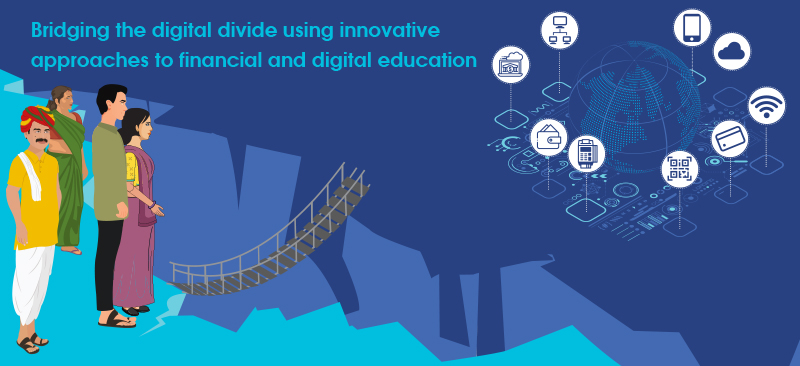
1. Bridging the Digital Divide: One of the most significant barriers to equitable access lies in unequal internet connectivity and technology availability among students. To address this divide, schools and educational institutions need to invest in providing devices (such as laptops or tablets) and reliable internet connections to students who lack them. Collaborating with community organizations, businesses, or government agencies can help secure funding for such initiatives.
2. Internet Accessibility: While ensuring students have devices is important, it’s equally critical to address internet accessibility issues faced by marginalized communities. Some areas may lack broadband infrastructure or affordable high-speed internet options. Schools should work with local authorities and service providers to expand broadband coverage into underserved areas while exploring alternative solutions like mobile hotspots or public Wi-Fi networks.
3. Providing Technical Support: Many students may face technological challenges during online learning due to limited technical knowledge or resources at home. Institutions must offer comprehensive technical support services through helplines, email support, or even video tutorials so that students can troubleshoot common problems independently.
4. Tailoring Instructional Materials: It is essential for educators to create inclusive instructional materials that cater to diverse learners’ needs during virtual instruction sessions. This includes making materials available in multiple languages, providing closed captioning for videos, utilizing screen-reader compatible formats for visually impaired individuals, and incorporating universal design principles for all learners.
5. Professional Development for Educators: Teachers play a vital role in promoting equity and access in online learning. They need professional development opportunities to enhance their skills in providing equitable instruction, utilizing appropriate technologies, fostering an inclusive classroom culture, and addressing the diverse needs of their students.
6. Culturally Responsive Teaching: Online education should embrace cultural diversity and honor students’ backgrounds. Educators must be trained in culturally responsive teaching practices that recognize and respect learners’ identities, experiences, and perspectives. This approach fosters a sense of belonging for all students and promotes engagement in the virtual learning environment.
7. Social-Emotional Support: Students may experience increased feelings of isolation or anxiety during online learning. Schools should prioritize social-emotional support services by providing regular check-ins with counselors or mental health professionals through video conferencing or other online platforms. Building a supportive community within the virtual classroom can also promote student well-being.
8. Collaboration with Families: Engaging families as partners is crucial for addressing equity issues in online learning effectively. Schools should communicate regularly with parents/guardians about their child’s progress, provide resources to support at-home learning environments, and seek feedback on how they can better meet the needs of individual students.
By implementing these strategies, educational institutions can work towards creating an equitable online learning environment where every student has equal access to quality education regardless of their background or circumstances. It is essential to continually evaluate these efforts while adapting to evolving challenges to ensure that no student is left behind in the digital age of education.
 Alternative Amie
Leave a comment