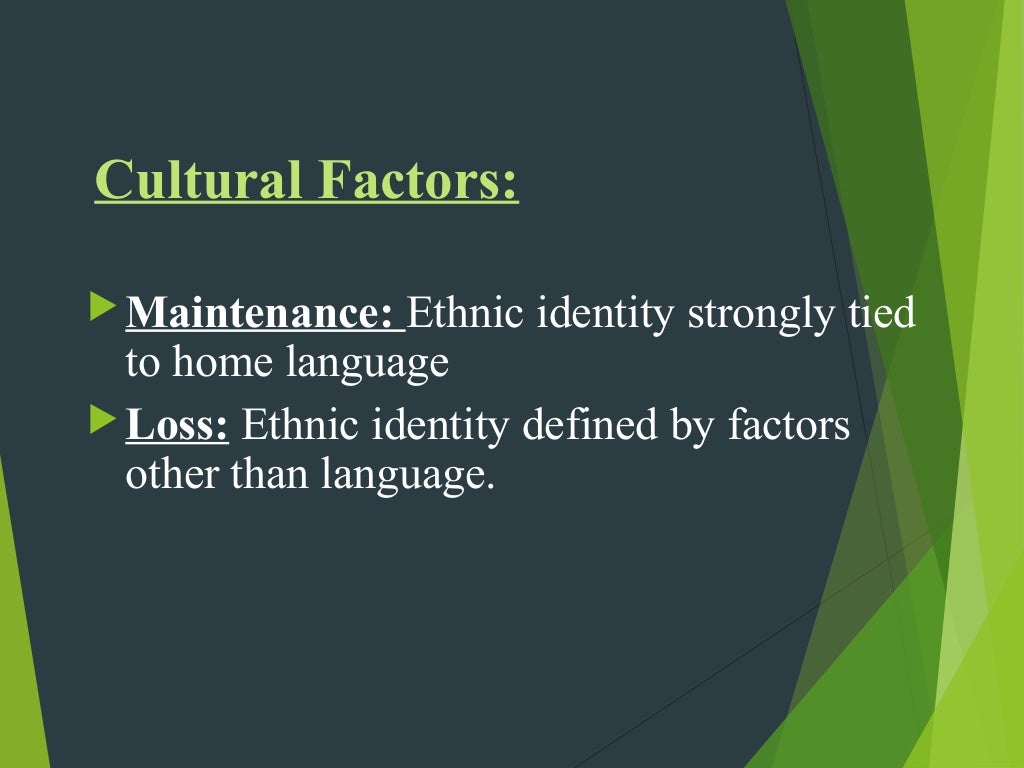
In today’s globalized world, many families find themselves living in bilingual settings. Whether it’s due to work opportunities, cultural backgrounds, or a desire to raise multilingual children, maintaining home languages becomes a crucial aspect of daily life. Bilingualism offers numerous cognitive and social benefits for individuals, but it requires ongoing effort to ensure the maintenance and development of both languages. In this post, we will explore ten effective strategies for maintaining home languages in bilingual settings.
1. Create an environment that supports language learning: Surrounding yourself with resources in both languages can significantly impact language maintenance. Stock your bookshelves with books written in the home language(s), subscribe to newspapers or magazines published in those languages, and use technology such as apps or online programs designed for language learning.
2. Establish consistent routines: Set aside regular times each day or week dedicated specifically to using the home language(s). This could involve reading bedtime stories exclusively in the home language(s) or designating certain days of the week as “language days,” where only one particular language is spoken at home.
3. Encourage active engagement: Language proficiency thrives when individuals actively engage with their target languages. Encourage family members to participate in conversation circles with native speakers, join community events focused on promoting linguistic diversity, or enroll children into extracurricular activities conducted primarily in one of the home languages.
4. Foster positive attitudes towards both languages: It’s important to create an inclusive environment where all family members feel valued for their bilingual abilities. Avoid negative comments about any given language and celebrate achievements made by each family member regarding their respective linguistic skills.
5. Use technology effectively: Take advantage of various digital tools available today that facilitate language learning and practice at all ages and proficiency levels. There are countless apps, websites, podcasts, and interactive games designed specifically for practicing different aspects of a second (or third) language.
6. Embrace cultural traditions: Incorporating cultural traditions into daily life not only reinforces the connection to a particular language but also strengthens family bonds. Celebrate holidays, prepare traditional meals, and engage in customs associated with your home culture(s) while using the corresponding languages.
7. Seek out community support: Joining local language-based organizations or seeking out bilingual groups can provide additional resources and support for maintaining home languages. These communities often organize events, workshops, and social gatherings where individuals can practice their language skills in a supportive environment.
8. Utilize media resources: Watch movies or TV shows in the home language(s) as a family or individually to immerse yourself in authentic conversations and expose children to colloquial expressions. Additionally, listen to music or podcasts in the target languages to enhance listening comprehension skills.
9. Travel and visit extended family members: If possible, plan trips to countries where the home language is spoken extensively. Immersion experiences offer an excellent opportunity for individuals of all ages to practice their linguistic skills while gaining exposure to different cultures.
10. Collaborate with schools: For families raising bilingual children attending school primarily conducted in another language, it’s essential to establish open lines of communication with teachers and administrators. Request that they support your efforts by assigning occasional projects or reading materials related to their second-language proficiency.
Remember that maintaining home languages requires consistent effort from all family members involved. By implementing these strategies consistently, you will create an environment that fosters bilingualism while celebrating cultural diversity within your household.
 Alternative Amie
Leave a comment