Bilingual education is a topic of great importance and interest in today’s diverse and interconnected world. It not only provides students with the opportunity to learn another language but also promotes cultural understanding, cognitive development, and academic achievement. In this panel discussion-style post, we will explore various aspects of bilingual education and its impact on different student populations.
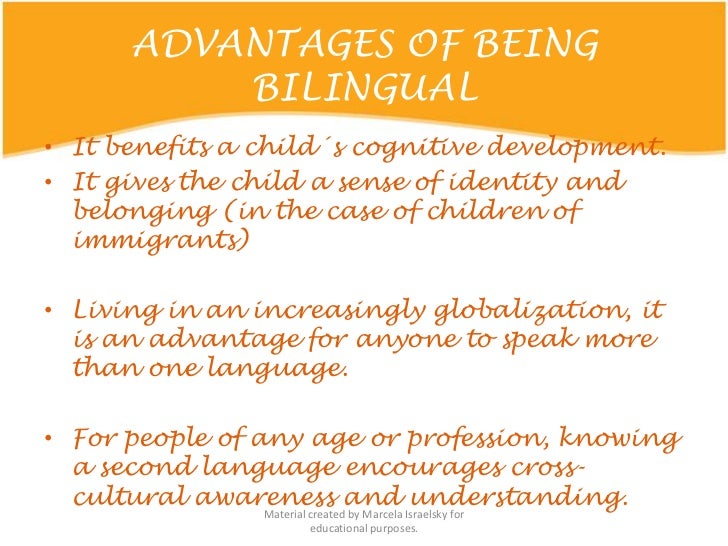
One crucial aspect of bilingual education is its role in preserving cultural identity. By incorporating students’ heritage languages into the curriculum, schools can help them maintain a strong connection to their roots. This fosters a sense of belonging and pride in one’s cultural heritage while promoting multiculturalism within the school community.
Furthermore, bilingual education has been shown to have positive effects on cognitive development. Research suggests that learning two languages simultaneously enhances problem-solving skills, memory capacity, and creativity. Bilingual individuals tend to demonstrate greater flexibility in thinking and have improved executive functions compared to monolingual individuals.
The effectiveness of different bilingual education models is an ongoing debate among educators. Some advocate for dual-language immersion programs where both English-speaking students and non-English speakers receive instruction in two languages. Others support transitional or maintenance programs that gradually transition students from their native language to English proficiency.
Inclusive bilingual education for students with special needs is another important consideration. Educators need specialized training to address the unique challenges faced by these learners effectively. By providing appropriate support services and accommodations, schools can ensure equal access to quality education for all students regardless of their abilities or disabilities.
Early childhood bilingual education has gained recognition as critical for language acquisition and overall development. Research indicates that young children possess significant neuroplasticity during this period when they are most receptive to language learning experiences. Therefore, starting bilingual instruction at an early age can lead to higher levels of proficiency later on.
For immigrant communities, bilingual education plays a vital role in maintaining heritage languages within future generations who may otherwise be at risk of losing them due to assimilation pressures. By valuing and promoting these languages, schools can help cultivate a sense of pride in students’ cultural backgrounds and promote intergenerational language transmission.
Moreover, bilingual education supports the preservation of heritage languages that may be endangered or marginalized. By offering instruction in these languages, schools contribute to their revitalization efforts and empower communities to sustain their linguistic and cultural traditions.
Implementing bilingual education programs in rural areas poses unique challenges due to limited resources, fewer qualified teachers, and potential resistance from the community. However, with strategic planning and collaboration with local stakeholders, it is possible to provide quality bilingual education opportunities even in remote areas.
Bilingual education also plays a crucial role in promoting social integration among minority students. By acknowledging and valuing their native languages and cultures, schools create an inclusive environment where all students feel respected and represented. This fosters positive relationships among diverse student populations while breaking down barriers between different ethnic groups.
Furthermore, bilingual education benefits non-English speaking parents by empowering them to actively participate in their children’s education. When parents can communicate effectively with teachers and understand school materials in their native language, they become more engaged partners in supporting their children’s academic success.
The development of metalinguistic awareness is another advantage of bilingual education. Students learn not only two languages but also develop a deeper understanding of language structure, grammar rules, vocabulary acquisition strategies across different languages. This heightened awareness improves overall linguistic proficiency as well as critical thinking skills related to language use.
Aside from its impact on language learning itself, research suggests that bilingual education positively influences academic achievement across other subjects such as mathematics and science. The cognitive advantages gained through multilingualism are transferable skills that enhance problem-solving abilities across various domains.
However useful technology may be for supporting educational initiatives generally; its role should not overshadow the importance of human interaction within the context of bilingual education programs. While technology can facilitate access to online resources or provide additional practice opportunities outside the classroom setting, it is crucial to strike a balance and ensure that face-to-face communication and language immersion experiences remain central.
Bilingual education not only equips students with the skills needed for success in the global economy but also fosters empathy, cultural competence, and a sense of global citizenship. By promoting multilingualism and multiculturalism, schools prepare students to navigate intercultural spaces with respect, open-mindedness, and an appreciation for diversity.
The success of bilingual education programs greatly depends on teacher training. Educators need specialized knowledge and skills to implement effective instructional strategies that meet the unique needs of diverse learners. Continuous professional development opportunities are essential for teachers to stay abreast of current research findings and best practices in bilingual education.
It is important to consider how bilingual education intersects with standardized testing. Critics argue that standardized tests may not accurately measure the linguistic or academic abilities of bilingual students since these assessments often prioritize monolingual norms. However, advocates suggest that by providing appropriate accommodations such as extended time or translated instructions, bilingual students can demonstrate their true potential on these tests.
Socioeconomic factors can significantly impact access to quality bilingual education. Schools located in low-income neighborhoods may struggle with limited resources or high teacher turnover rates – factors that can hinder program implementation or lead to lower educational outcomes among disadvantaged student populations. It is crucial for policymakers to address these disparities through targeted funding initiatives and equitable resource allocation.
In dual-language classrooms specifically designed for language minority students alongside English-speaking peers; myths about language dominance should be debunked entirely as both languages hold equal value within this learning environment. By treating both languages as assets rather than deficits; educators empower all students regardless of their linguistic backgrounds while fostering mutual respect among all learners.
Lastly, research suggests a positive correlation between bilingualism and creativity within educational settings. The ability to switch between languages enhances cognitive flexibility which positively impacts creative problem-solving skills across various disciplines including art, music, literature, mathematics among others.
In conclusion, bilingual education has numerous benefits for students and communities alike. It promotes cultural identity, cognitive development, academic achievement, and social integration. By addressing the challenges faced in implementing these programs and debunking myths surrounding language dominance or standardized testing; schools can create inclusive environments that empower all learners to thrive as global citizens.
 Alternative Amie
Leave a comment