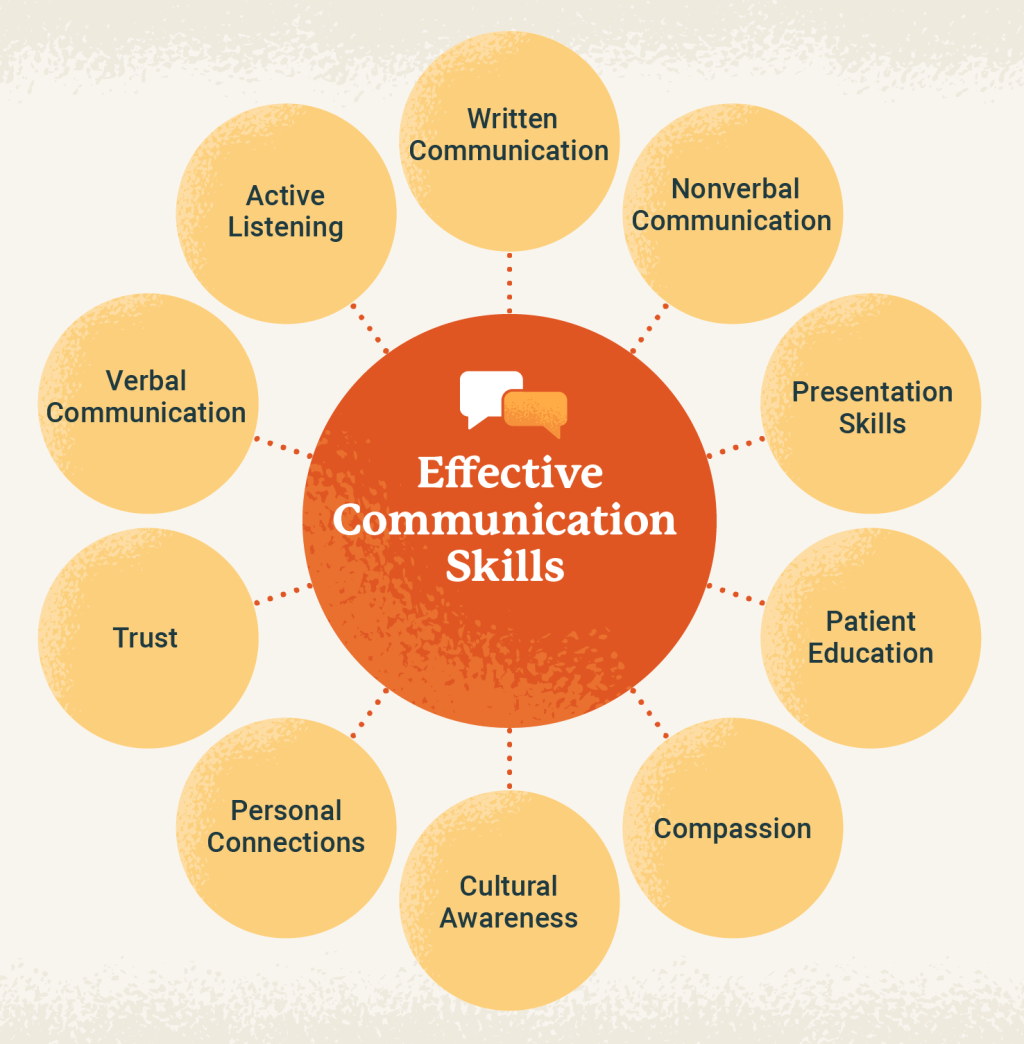
As we reflect on the importance of communication in education, it becomes clear that effective communication is not just a skill to be developed but a crucial tool for success in all aspects of life. In the context of alternative schooling and education, where unconventional methods are employed to foster creativity, critical thinking, and self-directed learning, communication goals take on even greater significance.
Firstly, let us explore why communication skills matter so much in alternative schooling environments. Unlike traditional schools that often rely heavily on lectures and standardized tests, alternative schools emphasize experiential learning, collaboration among students, and personalized instruction. In such settings, effective communication is essential for various reasons:
1. Collaborative Learning: Alternative education emphasizes teamwork and collaboration as a means to enhance engagement and deepen understanding. Effective communication enables students to exchange ideas freely, build upon each other’s knowledge and perspectives, and collectively solve problems.
2. Self-Expression: Alternative schooling encourages students to express themselves authentically by valuing their individual interests, strengths, and unique voices. Strong communication skills allow them to articulate their thoughts clearly and confidently while engaging with peers or presenting their work.
3. Critical Thinking: Alternative education prioritizes critical thinking skills over rote memorization. By fostering open discussions and encouraging students to question assumptions or challenge conventional wisdom, effective communicators can contribute meaningfully to intellectual debates within the classroom.
4. Empathy & Emotional Intelligence: Many alternative educational models place a strong emphasis on social-emotional development alongside academic growth. Communication plays a vital role in cultivating empathy by allowing students to understand others’ perspectives deeply.
Given these reasons for emphasizing communication goals within alternative schooling environments let us now delve into some specific objectives educators may set:
1. Active Listening Skills: Encouraging active listening helps students develop empathy towards others while comprehending information more effectively during class discussions or group projects.
2. Verbal Communication: Working on verbal expression involves teaching clarity of speech through enunciation, pacing, and appropriate use of tone. It also involves teaching students how to articulate their thoughts coherently while engaging in debates or presenting their ideas.
3. Non-Verbal Communication: While words are essential, non-verbal cues can convey just as much meaning. Students should learn to understand and utilize body language, facial expressions, and gestures effectively in both personal interactions and public speaking engagements.
4. Written Communication: Alternative education often incorporates project-based learning where students must communicate through writing. Educators should focus on developing skills such as structuring ideas logically, using appropriate language for different audiences, and refining grammar usage.
5. Digital Communication: In today’s digital age, it is crucial to equip students with the skills necessary for effective online communication. This includes understanding proper etiquette when emailing or participating in online discussions while being aware of potential pitfalls like cyberbullying or misinformation.
6. Conflict Resolution: Teaching conflict resolution strategies empowers students to navigate differences of opinion constructively and find common ground without resorting to aggression or hostility.
7. Presentation Skills: Providing opportunities for students to present their work builds confidence while improving their ability to engage an audience effectively through visuals, storytelling techniques, or multimedia presentations.
8. Media Literacy: Given the abundance of information available today through various media platforms, helping students critically analyze sources for reliability and bias is a vital communication goal within alternative schooling environments.
It is important to note that achieving these communication goals requires a multi-dimensional approach encompassing classroom instruction along with experiential learning activities:
1. Role-playing exercises can help develop active listening skills by allowing students to practice paraphrasing what others have said before adding their input.
2. Debates provide an opportunity for verbal expression where participants must articulate arguments persuasively while actively listening to counterpoints from opponents.
3. Journaling allows for written expression that encourages self-reflection while providing a safe space for exploring personal thoughts and emotions.
4. Collaborative projects foster teamwork, requiring students to communicate effectively within their groups to complete a shared goal.
5. Public speaking opportunities, such as presentations or speeches, allow students to refine their verbal and non-verbal communication skills in front of an audience.
In conclusion, effective communication is essential in alternative schooling and education environments as it nurtures collaborative learning, self-expression, critical thinking, empathy, and emotional intelligence. By setting clear communication goals that encompass active listening, verbal and written expression, digital literacy, conflict resolution, presentation skills, and media literacy; educators can empower students with the necessary tools for success in both academic pursuits and the broader world beyond the classroom.
 Alternative Amie
Leave a comment