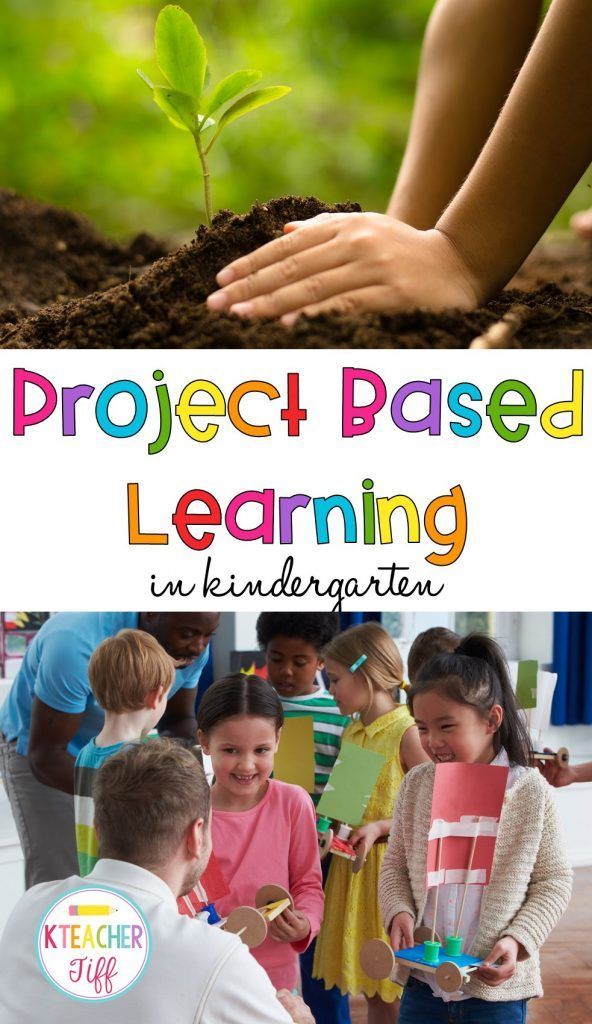
Project-Based Learning in Alternative Schools
Alternative schools offer a unique approach to education, focusing on personalized learning and innovative teaching methods. One popular method used in alternative schools is project-based learning (PBL). PBL allows students to actively engage in their education by working on real-world projects that are relevant to their interests and passions. This hands-on approach not only enhances student engagement but also promotes critical thinking, problem-solving skills, and collaboration.
In traditional schools, students often struggle with disengagement and lack of motivation due to the rigid structure of the curriculum. However, alternative schools recognize that each student has different strengths, interests, and learning styles. By incorporating project-based learning into their curriculum, alternative schools create an environment where students can take ownership of their education.
One key benefit of project-based learning is its ability to foster deep understanding of concepts. Instead of memorizing facts or completing worksheets, students are given the opportunity to explore a topic in-depth through research, experiments, or practical applications. For example, instead of simply reading about environmental issues in a textbook, students might design and implement a recycling program for their school or community. This hands-on experience helps them develop a deeper understanding of the subject matter while also developing important life skills such as problem-solving and decision-making.
Another advantage of project-based learning is its emphasis on collaboration and teamwork. In today’s interconnected world, being able to work effectively with others is crucial for success. Through group projects or collaborative activities, students learn how to communicate effectively with their peers, delegate tasks based on individual strengths, resolve conflicts constructively, and manage time efficiently. These interpersonal skills are essential not only for academic success but also for future career prospects.
Furthermore, project-based learning promotes creativity and innovation among students. By giving them freedom to choose topics or approaches within certain guidelines set by teachers or mentors., Students can think outside the box when solving complex problems or designing solutions for real-world challenges. This encourages them to think critically, take risks, and come up with unique ideas that may not be possible in a traditional classroom setting.
Outdoor Education and Its Benefits in Alternative Schooling
Alternative schools often prioritize experiential learning, where students actively engage with their environment and learn through hands-on experiences. One way to achieve this is through outdoor education. Outdoor education involves taking students out of the traditional classroom setting and immersing them in natural environments or real-world settings where they can explore, discover, and connect with nature.
There are numerous benefits to incorporating outdoor education into alternative schooling. Firstly, it provides a break from the monotony of indoor classrooms and allows students to experience a change of scenery. Being outdoors stimulates the senses and creates a sense of wonder and curiosity among students. This can reignite their love for learning and make education more enjoyable.
Secondly, outdoor education promotes physical health and well-being. In an era when sedentary lifestyles are becoming increasingly prevalent due to technology advancements, spending time outdoors encourages physical activity such as hiking, biking, or engaging in team sports. Not only does this improve overall fitness levels but also enhances mental health by reducing stress levels.
Moreover, being immersed in nature has been shown to have positive effects on cognitive abilities such as memory retention and problem-solving skills. Studies have demonstrated that exposure to natural environments improves attention span while reducing symptoms associated with ADHD (attention deficit hyperactivity disorder). Additionally, observing nature’s intricate patterns can inspire creativity among students.
Furthermore, outdoor education provides opportunities for environmental stewardship by fostering a deeper connection between students and their natural surroundings. When immersed in nature firsthand rather than reading about it in textbooks., Students develop an appreciation for the environment’s beauty along with an understanding of its fragility They learn about ecosystems preservation efforts conservation strategies., These experiences can lead to lifelong habits of sustainability practices that benefit both individuals’ lives as well as our planet.
Montessori Approach in Alternative Education
The Montessori approach is a widely recognized and respected alternative educational model that emphasizes individualized learning, hands-on experiences, and self-directed exploration. Developed by Dr. Maria Montessori in the early 20th century, this approach focuses on nurturing children’s natural curiosity and innate desire to learn through a prepared environment and teacher guidance.
In a Montessori classroom, students have the freedom to choose their activities from a range of materials carefully designed to promote specific skills or concepts. These materials are self-correcting, meaning that students can assess their progress independently without relying heavily on teachers for feedback. This fosters self-motivation and intrinsic learning among students as they develop a sense of responsibility for their education.
One key aspect of the Montessori approach is its focus on multi-age classrooms. Instead of grouping students strictly by age or grade level., In these environments Children of different ages work together in small communities where older ones act as mentors or role models for younger peers.. This creates an atmosphere of cooperation rather than competition while encouraging collaboration and mutual respect among students.
Another important element of the Montessori approach is the emphasis on practical life skills. Students engage in everyday tasks such as pouring water, tying shoelaces, or cleaning up after themselves., These activities enhance fine motor skills coordination while also promoting independence responsibility.. By mastering these fundamental tasks, students gain confidence in their abilities which positively impacts other areas of their lives including academic achievement..
Furthermore,, The Montessori method recognizes that children learn best when they are actively engaged with their senses. Therefore sensory experiences are integrated into various activities within the classroom setting For example,, Students may use touch tablets to trace letters forms; smell jars filled with different scents; taste test various foods textures; listen sound discrimination exercises;. Allowing them to explore world around them through all five senses helps solidify concepts make connections between abstract ideas concrete real-life experiences.
Role of Technology in Alternative Learning Communities
Technology has become an integral part of our lives, and its impact on education is undeniable. In alternative learning communities, the role of technology is to enhance teaching and learning experiences while promoting critical thinking, problem-solving skills, collaboration, and creativity among students.
One way technology can be utilized in alternative schools is through online platforms or virtual classrooms. These platforms allow for flexible learning schedules where students can access lectures, assignments, and resources at their own pace. This asynchronous learning approach accommodates diverse learning styles and helps students take ownership of their education by providing them with the freedom to choose when and how they engage with the material.
Additionally,, Online platforms facilitate communication between teachers mentors students beyond traditional classroom hours.. Students can interact with peers from different geographical locations collaborate on projects exchange ideas using digital tools such as discussion boards video conferencing software.; By breaking down physical barriers creating a global community learners., Technology opens up new possibilities for cross-cultural dialogue promotes understanding empathy among participants..
Moreover,, Technology provides a wealth of information resources that can supplement traditional textbooks materials.. With the click of a button, students have access to vast databases research articles multimedia content relevant to their areas interest.. This not only expands knowledge base but also encourages independent inquiry critical analysis skill development..
Furthermore,, Interactive educational apps software games offer engaging ways learn challenging concepts subjects involve hands-on activities simulations real-life scenarios.. For example,,, Students might use virtual reality headsets explore historical landmarks; manipulate molecular structures touchscreens simulate scientific experiments;. These immersive experiences make abstract topics more tangible promote deeper understanding engagement among learners..
Art Integration in Alternative Schools
Art integration plays a significant role in alternative schools as it cultivates creativity imagination self-expression among students., Art goes beyond aesthetics; it enhances cognitive emotional development well-rounded individuals capable original thought innovative approaches problem-solving.; Moreover,,, art fosters cultural awareness sensitivity by exposing learners diverse perspectives traditions practices from around world.
Integrating art into the curriculum enables students to make connections between different disciplines and subjects. For example, paintings can be used as a springboard for discussions about history or social issues, while dance routines can help students understand mathematical patterns and rhythms. By intertwining these various forms of expression, alternative schools create an environment where interdisciplinary learning thrives.
Art also provides a means for students to communicate their thoughts, feelings, and ideas in non-verbal ways. This is particularly beneficial for individuals who may struggle with traditional forms of communication or have difficulty expressing themselves verbally. Through painting, drawing, or sculpture., Students can convey complex emotions experiences that words cannot adequately describe.. This promotes self-awareness personal growth empathy towards others’ perspectives.
Furthermore,, Art integration encourages divergent thinking among students by challenging them to think outside the box and explore multiple solutions or interpretations.. Unlike more rigid academic subjects like math science., Art allows for open-ended exploration experimentation.; There are no right wrong answers; instead there is room artistic expression individual interpretation.. This fosters creativity innovation problem-solving skills essential success today’s rapidly changing world..
Additionally,, art serves as a form of therapy self-care in alternative schools., Engaging in creative activities offers stress relief relaxation opportunities learners.; For example,,, painting mindfulness exercises music therapy sessions all contribute positive mental health well-being among students.. Artistic outlets allow individuals express themselves freely without fear judgment criticism which boosts confidence overall emotional resilience..
Experiential Learning Methods for Alternative Education
Alternative education emphasizes experiential learning methods that promote active engagement critical thinking reflection among students. Experiential learning goes beyond traditional lecture-based instruction by immersing learners in hands-on experiences real-world contexts.
One popular method of experiential learning is field trips or educational outings where students visit museums historical sites nature reserves cultural institutions other relevant locations.. These excursions provide opportunities apply classroom knowledge skills real-life settings expand horizons beyond textbook material.; For example,,, visiting an animal sanctuary can reinforce biology concepts while fostering empathy towards animals; exploring a historical site immerses learners in past events helps them connect abstract ideas concrete reality..
Another effective experiential learning method is service-learning projects where students apply their skills to benefit the community.. This not only provides practical experience but also instills a sense of civic responsibility social awareness among learners.; For example,,, students might organize food drives volunteer local shelters hospitals; initiate environmental conservation campaigns within school wider community.. By actively engaging with real needs issues, students develop compassion problem-solving skills while making positive impact on society.
Furthermore,, internships apprenticeships enable students gain hands-on experience specific industries professions they interested pursuing. These immersive experiences allow individuals observe professionals action identify mentorship opportunities explore career options firsthand., Alternative schools often collaborate businesses organizations provide opportunities for internships apprenticeships through partnerships networks.; This way, learners get exposure industry experts learn about different roles responsibilities fields they passionate about..
Cooperative Learning Models for Collaborative Classrooms in Non-Traditional Settings
In alternative schooling environments, collaborative learning models are highly valued as they foster teamwork, communication, and critical thinking skills among students. Cooperative learning encourages active participation and engagement by dividing tasks and responsibilities among group members.
One popular cooperative learning model is the jigsaw method. In this approach, each student becomes an expert in one specific topic or concept. They then share their knowledge with their group members who specialize in different areas. By teaching others what they have learned, students solidify their own understanding while also benefiting from diverse perspectives and insights.
Another effective cooperative learning model is project-based group work. In this approach, students work together to complete a shared task or project that requires collaboration and division of labor. Each member brings their unique strengths and expertise to contribute to the overall success of the project. This encourages accountability and mutual support among group members as they strive towards a common goal.
Additionally, think-pair-share activities promote collaborative learning by encouraging students to discuss and share their thoughts with a partner before sharing them with the larger group. This allows for deeper reflection and refinement of ideas, as well as the opportunity to practice active listening skills.
Moreover, alternative schools often incorporate peer tutoring or mentoring programs where older students support and guide younger ones. This not only reinforces their own knowledge but also promotes leadership skills and empathy among older students.
Culturally Responsive Teaching Practices in Alternative Education Programs
Culturally responsive teaching practices are essential in alternative education programs that strive to create inclusive environments where all students feel valued and represented. Culturally responsive teaching recognizes and embraces the diverse backgrounds, cultures, experiences, languages, and identities of students while incorporating these elements into instructional strategies.
One important aspect of culturally responsive teaching is building positive relationships with students based on trust, respect, and open communication. Teachers must take the time to get to know each student individually, understand their unique strengths, challenges, interests., This helps create supportive classroom communities where everyone feels safe accepted..
Furthermore,, culturally responsive teachers integrate culturally relevant materials resources into lesson plans curricula.. They select texts videos music artwork literature reflects experiences perspectives different cultural groups.; Students see themselves reflected curriculum which validates affirms their identities fosters pride self-confidence.. Additionally,,,, exposure diverse voices stories broadens learners’ horizons cultivates understanding empathy towards others’ realities..
Another crucial component of culturally responsive teaching is creating a learning environment that respects different learning styles modes expression communication.; Alternative schools recognize that there are multiple ways individuals can demonstrate understanding assimilate information.; Therefore,,,, teachers provide opportunities visual auditory kinesthetic learners thrive adapt assignments assessments accommodate various preferences needs..
Moreover,,, alternative schools promote multiculturalism social justice through ongoing dialogue discussions issues related race ethnicity gender sexuality socioeconomic status religion other aspects identity.. These conversations challenge biases assumptions foster critical thinking consciousness social responsibility among learners.. Inclusive classrooms prepare students navigate complex diverse world becoming agents change advocates equity justice.
Restorative Justice Approaches to Discipline in Alternative Schools
In traditional schools, the focus of discipline is often on punishment and exclusion. However, alternative schools prioritize restorative justice approaches that seek to repair harm, restore relationships, and build a sense of community among students. Restorative justice shifts the emphasis from punitive measures towards accountability, empathy, and personal growth.
One key aspect of restorative justice practices is the use of circles or restorative conferences where all affected parties come together to discuss the harm caused by an incident and work towards resolution. These circles provide a safe space for open dialogue and allow everyone involved to have a voice. The goal is not only to address immediate consequences but also to prevent future conflicts by fostering understanding and empathy among students.
Furthermore,, restorative justice practices promote accountability by encouraging individuals responsible for harm take ownership their actions make amends.. Instead focusing punishments suspensions expulsions., Alternative schools implement strategies such as community service restitution plans conflict resolution workshops mediation sessions.; This allows students reflect on their behavior learn from mistakes while developing problem-solving skills social emotional competence..
Moreover,,, alternative schools emphasize building supportive school climates through proactive measures rather than reactive punitive ones.. By incorporating strategies like peer mentoring character education programs positive behavioral interventions supports (PBIS).; Students are given tools resources needed succeed academically socially emotionally.; Teachers mentors model expectations reinforce positive behaviors rather than solely focusing rule enforcement disciplinary action when issues arise..
Special Needs Inclusion and Support within the Context of Alternative Education
Alternative education strives to create inclusive environments where all students feel accepted valued regardless abilities differences.. Special needs inclusion support important aspects alternative schooling ensuring every learner has equal access opportunities success..
Inclusive classrooms within alternative schools accommodate diverse learning styles abilities through differentiated instruction individualized support.. Teachers design lessons materials address varying levels strengths challenges learners., They incorporate visual aids manipulatives technology adaptive equipment necessary navigate curriculum effectively.; Additionally,,,, educators collaborate special education professionals therapists develop personalized education plans (IEPs) address individual needs goals students special needs..
Alternative schools also promote peer-to-peer support networks where typically developing students and those with special needs work together to learn and grow.. This fosters empathy understanding among all learners while providing opportunities for social emotional development.. Moreover,,,, cooperative learning models mentioned earlier facilitate collaboration communication between students diverse abilities backgrounds.; Through teamwork, individuals contribute unique perspectives skills project-based activities benefit class community whole.
Furthermore,, alternative schools prioritize ongoing professional development teachers staff enhance their knowledge skills working with students disabilities., Professional trainings workshops focus topics like inclusive practices effective strategies differentiation assistive technology behavioral management techniques., By equipping educators tools resources necessary support diverse learners alternative schools ensure every student has equal access quality education opportunities success..
Environmental Sustainability Initiatives within Alternative Learning Communities
Alternative learning communities often incorporate environmental sustainability initiatives into their curriculum and daily practices. These initiatives aim to foster a sense of responsibility towards the environment, teach ecological literacy, and empower students to become stewards of the planet.
One way alternative schools promote environmental sustainability is through eco-friendly practices within their facilities. They may implement recycling programs, reduce energy consumption by using renewable energy sources or energy-efficient appliances, conserve water resources through rainwater harvesting or low-flow fixtures, and create green spaces for gardening or wildlife habitats. These practices serve as tangible examples for students to witness sustainable living in action.
Additionally,,, alternative schools often integrate environmental themes into their curriculum across various subjects.. For example,,,, science classes might explore ecosystems conservation efforts; social studies examine global climate change policies; literature analyze nature-themed texts poetry; art create installations reflect beauty natural world.; By integrating these topics into different disciplines, learners gain holistic understanding interconnectedness humanity’s relationship environment..
Moreover,, experiential outdoor education plays significant role promoting environmental consciousness alternative schooling environments.. Students engage hands-on activities such planting trees cleaning local parks participating citizen science projects monitoring biodiversity.; Immersion nature allows individuals observe firsthand impacts human actions on ecosystems develop empathy towards all living beings.; This connection fosters desire protect conserve natural resources future generations.
Alternative assessment methods beyond traditional testing
Alternative schools recognize that traditional forms of testing may not accurately assess students’ true abilities, strengths, and potential. Therefore, they employ alternative assessment methods that provide a more comprehensive view of student progress while encouraging critical thinking, creativity, and problem-solving skills.
One alternative assessment method is project-based assessments where students demonstrate their understanding by completing real-world projects or assignments.. Instead answering multiple-choice questions regurgitating memorized facts., Students engage hands-on activities research experiments creative expressions reflect mastery concepts skills.. For example,,, they might create a multimedia presentation write publish book design build prototype invention solve authentic problem community.; These assessments showcase application knowledge relevant contexts fostering deeper understanding retention material..
Another effective alternative assessment method is portfolio-based evaluation. In this approach, students compile a collection of their work over time to showcase growth progress across different subject areas.. Portfolios can include written essays,, artwork,, videos,, presentations reflecting various learning experiences skills acquired.; By reviewing portfolios,, teachers mentors gain holistic perspective learners’ development identify areas improvement individualize instruction support needed..
Additionally,,, self-assessment peer feedback play integral role alternative schooling environments., Students actively involved
 Alternative Amie
Leave a comment