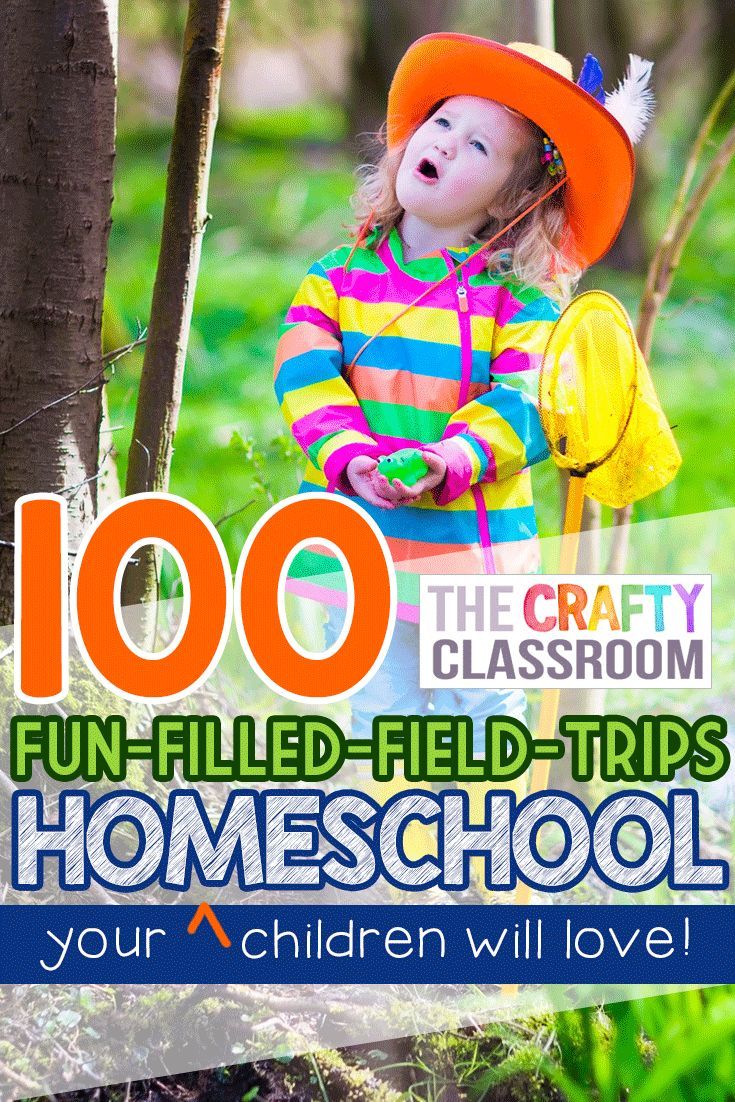
Co-op Activities and Field Trips: Enhancing Alternative Schooling Experiences
Introduction:
Alternative schooling and education have gained popularity in recent years, offering a unique approach to learning outside the traditional classroom setting. One of the key components that sets alternative schools apart is their emphasis on cooperative (co-op) activities and field trips. These experiential learning opportunities not only provide students with hands-on experiences but also foster teamwork, critical thinking, and personal growth. In this article, we will explore the importance of co-op activities and field trips in alternative schooling and how they enhance educational experiences for students.
1. The Definition of Co-op Activities:
Cooperative activities are collaborative projects or tasks where individuals work together towards a common goal. These activities aim to promote teamwork, communication skills, problem-solving abilities, creativity, and social interaction among students. Within the context of alternative schooling, co-op activities often involve multiple disciplines or subjects to encourage interdisciplinary learning.
2. Benefits of Co-op Activities:
2.1 Enhanced Social Skills:
Cooperative activities allow students to interact with peers in a non-competitive environment while developing crucial social skills such as effective communication, active listening, empathy, conflict resolution, and leadership qualities. Through these interactions, students learn from each other’s strengths and weaknesses while building relationships based on trust.
2.2 Improved Academic Performance:
Working collaboratively on co-op projects promotes knowledge sharing among students from diverse backgrounds or skill levels. This creates an inclusive environment where everyone has something valuable to contribute as they combine their expertise to solve problems or complete assignments together. Consequently, this cooperative approach enhances overall academic performance by reinforcing subject matter comprehension through shared understanding.
2.3 Critical Thinking Development:
Cooperative activities require participants to think critically as they encounter challenges that demand innovative solutions beyond textbook knowledge alone. By engaging in these real-world scenarios within a supportive group setting during co-op projects or field trips, students develop critical thinking skills necessary for problem-solving, analytical reasoning, and decision-making.
2.4 Emotional Intelligence Growth:
Co-op activities help students develop emotional intelligence as they learn to navigate group dynamics, manage conflicts constructively, and understand different perspectives. These experiences foster empathy, self-awareness, and emotional regulation – all essential components of emotional intelligence that contribute to personal growth.
3. The Role of Field Trips in Alternative Schooling:
Field trips are an integral part of alternative schooling as they offer hands-on learning experiences outside the classroom environment. By taking students out into the real world to explore various settings related to their studies or interests, field trips provide a more holistic understanding of topics while inspiring curiosity and fostering connections between theory and practice.
3.1 Experiential Learning:
Field trips allow students to engage directly with real-world situations relevant to their curriculum or areas of interest. Whether visiting museums, historical sites, businesses, farms, or natural landscapes, these experiences provide opportunities for experiential learning where students can observe phenomena firsthand rather than relying solely on textbooks or online resources.
3.2 Cultural Awareness and Appreciation:
By exposing students to different cultures through field trips such as visits to art exhibitions or multicultural events within the community, alternative schools promote cultural awareness and appreciation among their student body. This exposure cultivates respect for diversity while broadening horizons beyond one’s own immediate surroundings.
3.3 Personal Development:
Field trips often involve outdoor activities that challenge physical capabilities while encouraging personal growth in areas like resilience, adaptability, teamwork skills under unfamiliar circumstances or environments. These experiences build confidence by pushing individuals out of their comfort zones and developing resilience in facing unforeseen challenges.
Conclusion:
Cooperative activities and field trips play a vital role in enhancing alternative schooling experiences by providing hands-on learning opportunities that go beyond traditional classroom settings. Through co-op projects and collaborative work with peers from diverse backgrounds during these activities/field trips; students acquire crucial social skills along with improved academic performance, critical thinking abilities, and emotional intelligence. Field trips further complement alternative schooling by fostering experiential learning, cultural awareness, and personal development. As more schools embrace these approaches, the educational landscape continues to evolve towards a more holistic and engaging experience for students in alternative schooling.
 Alternative Amie
Leave a comment