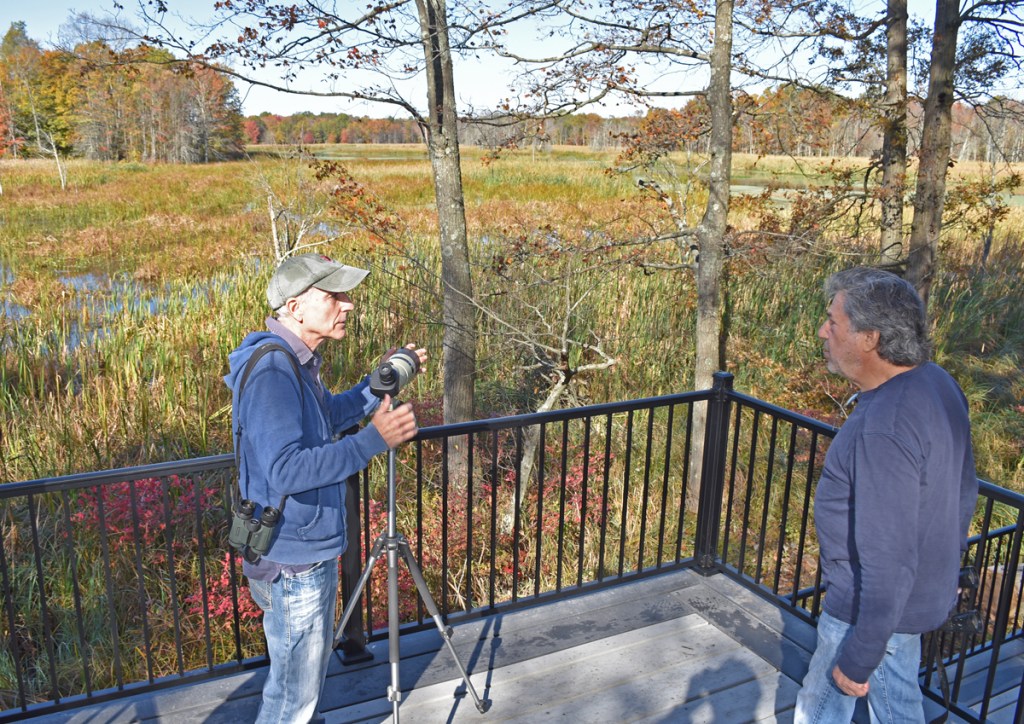
Wildlife observation is a fascinating and enriching activity that allows individuals to connect with nature and learn about the diverse array of species that inhabit our planet. Whether you are an avid wildlife enthusiast or simply someone who appreciates the beauty of the natural world, engaging in wildlife observation can be a truly rewarding experience. In this post, we will explore the benefits of wildlife observation and provide some tips on how to make the most out of your encounters with nature.
One of the key advantages of wildlife observation is its educational value. By observing animals in their natural habitats, we can gain insight into their behavior, habitat preferences, feeding patterns, and much more. This knowledge not only fosters a deeper appreciation for these creatures but also helps us understand their ecological role and importance within ecosystems. For children especially, wildlife observation can be an excellent way to spark curiosity about biology, ecology, and environmental conservation.
In addition to education, wildlife observation also offers numerous mental health benefits. Spending time in nature has been proven to reduce stress levels and improve overall well-being. The act of observing animals in their natural habitats allows us to disconnect from our fast-paced lives and immerse ourselves in a slower rhythm dictated by nature itself. As we watch birds soar through the sky or deer gracefully navigate through forests, we find solace in their peaceful existence – reminding us to appreciate simplicity amidst chaos.
To start engaging in wildlife observation, it’s important to choose appropriate locations for your excursions. National parks or protected areas often offer great opportunities for observing various species without disturbing them or encroaching on their territories. Research online or consult local guides for information on specific parks known for abundant biodiversity.
Once you’ve chosen your location, it’s crucial to respect both the animals you encounter and their habitats. Keep noise levels low so as not to disturb them unnecessarily; remember that they have sensitive hearing too! Be mindful not to litter or leave any traces behind – leave nothing but footprints, take nothing but photographs.
Equipping yourself with the right tools can greatly enhance your wildlife observation experience. A pair of binoculars is essential for getting a closer look at animals from a safe distance without intruding on their space. Additionally, a field guide or smartphone app can help you identify different species and learn more about their behaviors. If photography interests you, consider investing in a telephoto lens to capture stunning shots while maintaining a respectful distance.
Patience is key when it comes to wildlife observation. Animals may not always be readily visible or active, so be prepared to spend extended periods waiting and observing. Remember, nature operates on its own time – sometimes the most magical moments happen when we least expect them.
Understanding animal behavior can significantly increase your chances of successful wildlife observation. Research specific species beforehand to learn about their habits and preferred habitats. For example, if you’re hoping to spot birds, familiarize yourself with their migration patterns and nesting behaviors.
While observing animals from afar is undoubtedly rewarding, there are also opportunities for more immersive experiences such as guided safaris or eco-tours led by experienced naturalists. These tours often provide unique access to remote areas where rare sightings are more likely while ensuring minimal disturbance to the environment and its inhabitants.
Lastly, don’t forget that responsible wildlife observation goes hand in hand with conservation efforts. By appreciating these creatures in their natural settings and sharing our experiences with others through storytelling or photography, we foster empathy towards them and inspire others to protect our planet’s incredible biodiversity.
In conclusion, wildlife observation offers countless benefits for individuals of all ages – educational value, mental well-being enhancement, fostering appreciation for nature’s wonders – making it an ideal activity for alternative schooling environments seeking holistic learning experiences beyond traditional classrooms. So grab your binoculars and venture into the wild – who knows what marvelous encounters await?
 Alternative Amie
Leave a comment