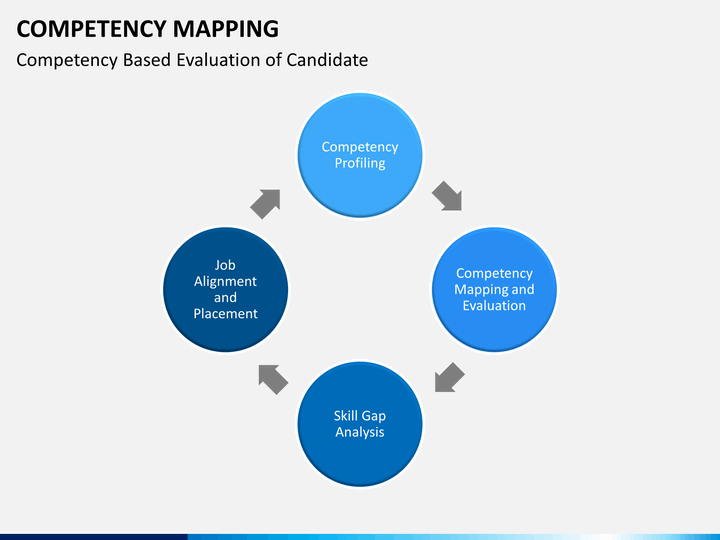
Competency Mapping: Unlocking the Potential of Alternative Education
In the realm of education, traditional methods are gradually giving way to more innovative and personalized approaches. One such approach gaining traction is competency mapping, a powerful tool that aims to identify and develop an individual’s skills, knowledge, and abilities.
Competency mapping goes beyond measuring academic performance or standardized test scores. It delves into a comprehensive evaluation of an individual’s strengths and weaknesses across various domains. By providing a holistic view of an individual’s capabilities, it helps educators tailor educational programs that cater to their unique needs.
The core concept behind competency mapping is understanding what competencies or skills are required for success in a particular field or profession. This process involves breaking down complex tasks into specific competencies that can be observed, measured, and developed. These competencies may include both technical skills (such as coding or graphic design) and soft skills (like communication or problem-solving).
In alternative schooling and education environments where students often have diverse backgrounds and learning styles, competency mapping becomes even more essential. It allows educators to focus on individual growth rather than adhering rigidly to pre-determined curricula. With this approach, students can progress at their own pace while building a strong foundation in areas where they excel.
One significant advantage of competency mapping is its ability to foster self-awareness among learners. By highlighting their strengths and identifying areas for improvement, students gain valuable insights about themselves as individuals capable of continuous growth. This awareness enables them to set realistic goals while nurturing their passion for lifelong learning.
To implement competency mapping effectively in alternative education settings, educators must adopt certain key strategies:
1. Define Competencies: The first step involves clearly defining the competencies relevant to the desired outcomes of the educational program or career path being pursued. Educators need to consider industry requirements while aligning these with broader life skills like adaptability or critical thinking.
2. Assess Current Competencies: Once the competencies are defined, it’s essential to assess students’ existing skills and knowledge in those areas. Various assessment methods can be employed, such as self-evaluation, peer evaluation, or expert evaluation. This step helps educators identify the starting point for each student and tailor instruction accordingly.
3. Individualized Learning Plans: Based on the initial assessment, educators can create personalized learning plans that target specific competencies for each student. These plans should outline clear objectives and provide various resources and activities to facilitate skill development.
4. Ongoing Assessment: Competency mapping is an ongoing process that requires continuous monitoring and feedback. Regular assessments help measure progress while identifying any gaps or additional support needed by individual learners.
5. Portfolio Building: As students progress through their educational journey, they should maintain a portfolio of their work samples and achievements related to different competencies. This collection serves as evidence of their growth and proficiency in various areas, showcasing their abilities beyond traditional grading systems.
6. Integration into Instructional Strategies: Competency mapping works best when integrated seamlessly into instructional strategies rather than being treated as a separate entity. Educators can align teaching methodologies with competency-based learning approaches like project-based learning or collaborative problem-solving exercises.
Competency mapping has proven successful not only in alternative education settings but also within industries seeking skilled individuals who possess relevant capabilities rather than just credentials or degrees. Employers increasingly value candidates who demonstrate specific competencies required for job success, making this approach highly valuable for career-focused education programs.
By focusing on developing core competencies aligned with personal goals and industry demands, alternative schooling environments can empower learners to thrive in diverse fields while nurturing a lifelong love for learning itself.
In conclusion, competency mapping offers an innovative approach to education that goes beyond conventional measures of success like test scores or grades. By identifying individual strengths and weaknesses across various domains of knowledge and skills, educators can personalize instruction plans tailored specifically to each learner’s needs. Through ongoing assessment and portfolio building, competency mapping fosters self-awareness and helps students develop a strong foundation for success in both academia and their future careers.
 Alternative Amie
Leave a comment