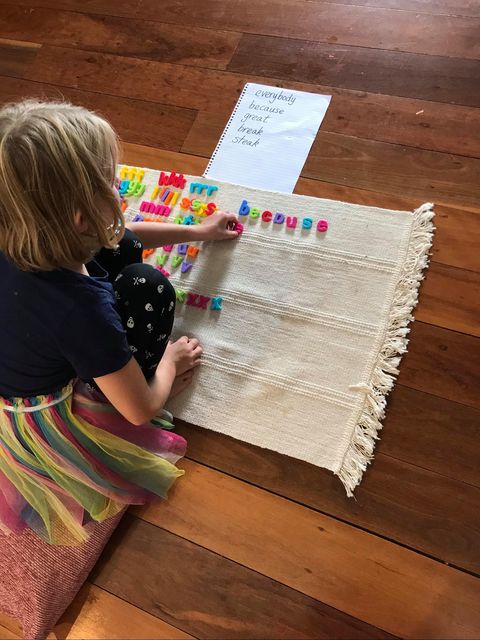
The Montessori Method for Children with Special Needs
Every child deserves a quality education that meets their unique needs, and the Montessori method provides an inclusive approach to learning that can be particularly beneficial for children with special needs. Developed by Dr. Maria Montessori in the early 20th century, this educational philosophy emphasizes independence, self-directed learning, and hands-on exploration.
One of the key principles of the Montessori method is individualized instruction. In a traditional classroom setting, students are often taught as a group, which can make it challenging for children with special needs to receive the personalized attention they require. However, in a Montessori classroom, teachers observe each child’s strengths and challenges and tailor their lessons accordingly.
Montessori classrooms are carefully prepared environments where materials are organized and accessible to students at all times. This setup allows children with special needs to move freely throughout the classroom while engaging in activities that promote cognitive development, sensory integration skills, and fine motor coordination.
For example, if a child has difficulty with fine motor skills such as writing or manipulating small objects, they may be provided with specially designed materials such as large-sized pencils or tweezers to assist them in developing those skills at their own pace.
Another important aspect of the Montessori method is its focus on practical life skills. These skills include everyday tasks such as pouring liquids into containers or buttoning up shirts. For children with special needs who may struggle with certain motor movements or daily routines independently, these practical life activities offer opportunities for practice and mastery.
By incorporating practical life activities into their daily routine, children develop not only physical coordination but also concentration and problem-solving abilities. The emphasis on independent living helps instill confidence in children with special needs by enabling them to successfully complete tasks that contribute to their overall well-being.
In addition to addressing specific academic and developmental goals for students with special needs through individualized instruction and practical life activities, the Montessori method also promotes social-emotional development. In a Montessori classroom, mixed-age groupings are common, which allows for peer interactions and the development of empathy and compassion.
Children with special needs benefit greatly from these mixed-age classrooms because they provide opportunities for role modeling and socialization. Older students can serve as mentors to younger ones, fostering a sense of belonging and community within the classroom.
Furthermore, the Montessori approach encourages children to take responsibility for their actions and develop self-regulation skills. By providing choices within limits and allowing children to make decisions about their own learning path, teachers empower students with special needs to become active participants in their education.
Montessori schools also recognize that every child learns differently and at their own pace. This is particularly important for children with special needs who may require additional time or alternative methods of instruction to grasp certain concepts. The individualized nature of the Montessori method ensures that each child’s unique learning style is honored.
In conclusion, the Montessori method offers an inclusive educational approach that can be highly beneficial for children with special needs. Through individualized instruction, practical life activities, social-emotional development opportunities, and a focus on independence and self-regulation skills, this philosophy provides an enriching environment where all children can thrive academically and personally.
By embracing diversity in its classrooms and recognizing the unique strengths of every student regardless of ability or disability, Montessori schools create an environment that celebrates inclusivity while promoting holistic growth. With its emphasis on independence, hands-on learning experiences, and personalized attention tailored to each child’s needs, it is no wonder why many parents choose the Montessori method as an ideal option for their children with special needs.
 Alternative Amie
Leave a comment