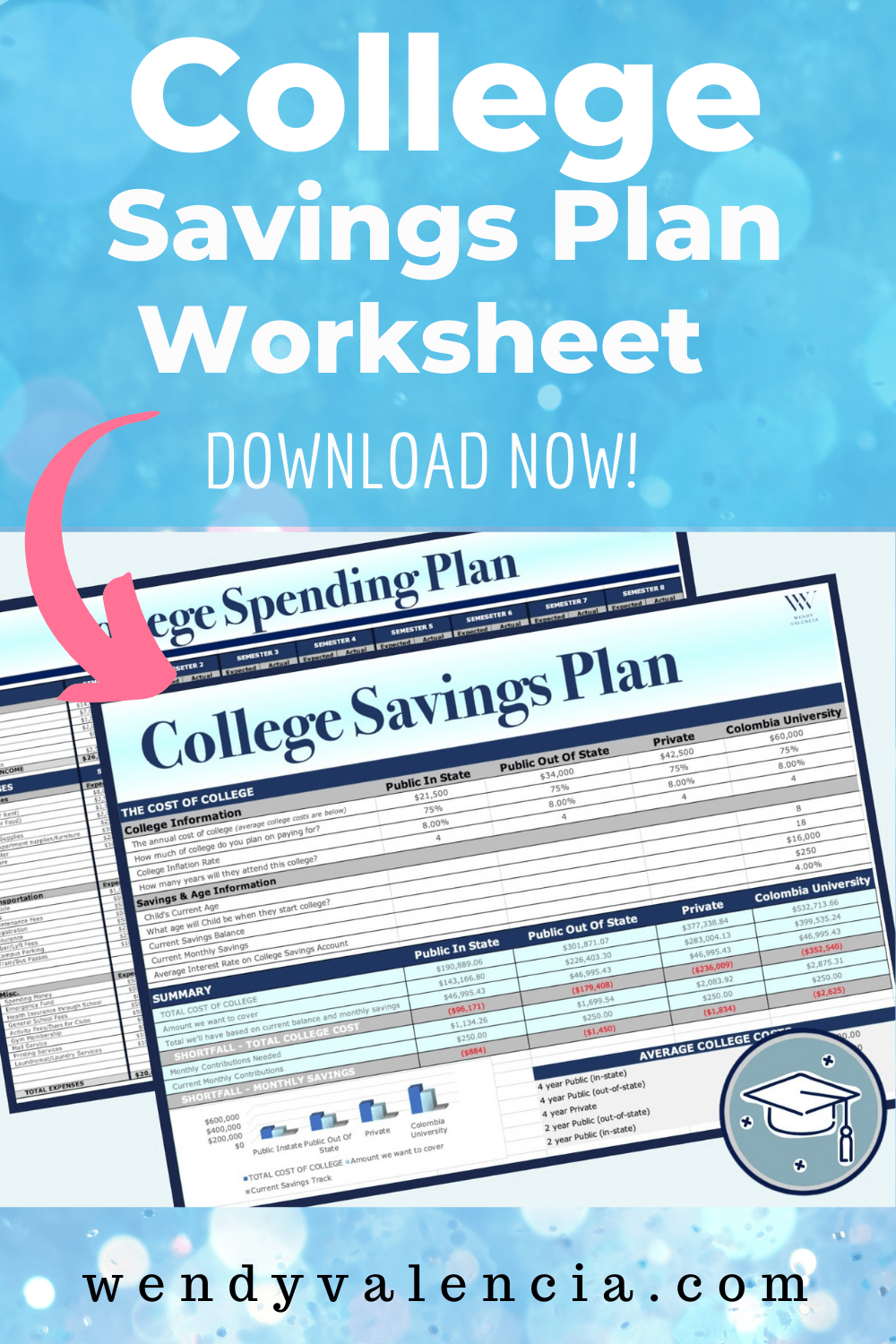
As parents, one of our biggest worries is ensuring that we are able to provide a good education for our children. With the rising costs of college tuition and expenses, it has become more important than ever to start saving early. Luckily, there are several college savings plans available that can help us achieve this goal.
One popular option is a 529 plan, which is named after section 529 of the Internal Revenue Code. These plans offer tax advantages and can be used for any qualified higher education expenses. The funds in a 529 plan grow tax-free, meaning you won’t have to pay any taxes on the earnings as long as they’re used for educational purposes.
Another advantage of 529 plans is their flexibility. They can be opened by anyone – parents, grandparents, or even friends – and there are no income limits or age restrictions. You can contribute as much or as little as you want each year, up to certain limits set by each state’s plan.
It’s also worth noting that some states offer additional incentives for investing in their own 529 plans. These incentives could include matching grants or scholarships for residents who contribute regularly to the plan.
If you’re concerned about your child receiving financial aid in the future, you may wonder how having a 529 plan will affect their eligibility. While it’s true that having significant assets in your name (including those held in a 529 plan) may reduce your child’s eligibility for need-based aid, most colleges consider parental assets less heavily than student assets when calculating aid packages.
If you prefer more control over how your money is invested and greater potential returns on investment, another option worth considering is a Coverdell Education Savings Account (ESA). Similar to a Roth IRA retirement account, an ESA allows contributions of up to $2,000 per year per beneficiary until they turn eighteen. Although contributions are not tax-deductible at the federal level like with a 529 plan, the earnings grow tax-free and withdrawals are also tax-free when used for qualified education expenses.
One key difference between a 529 plan and an ESA is that ESAs can be used for both K-12 education expenses as well as college expenses. This flexibility may be appealing to parents who are considering alternative schooling options such as private or homeschooling.
In conclusion, saving for college is essential in today’s world if we want to provide our children with the best possible opportunities. Whether you choose a 529 plan or an ESA, starting early and contributing regularly can make a significant difference in ensuring your child’s future success. It’s important to research the options available in your state and consult with a financial advisor to determine which plan is the best fit for your family’s needs. With careful planning and dedication, you can give your child a head start on their educational journey.
 Alternative Amie
Leave a comment