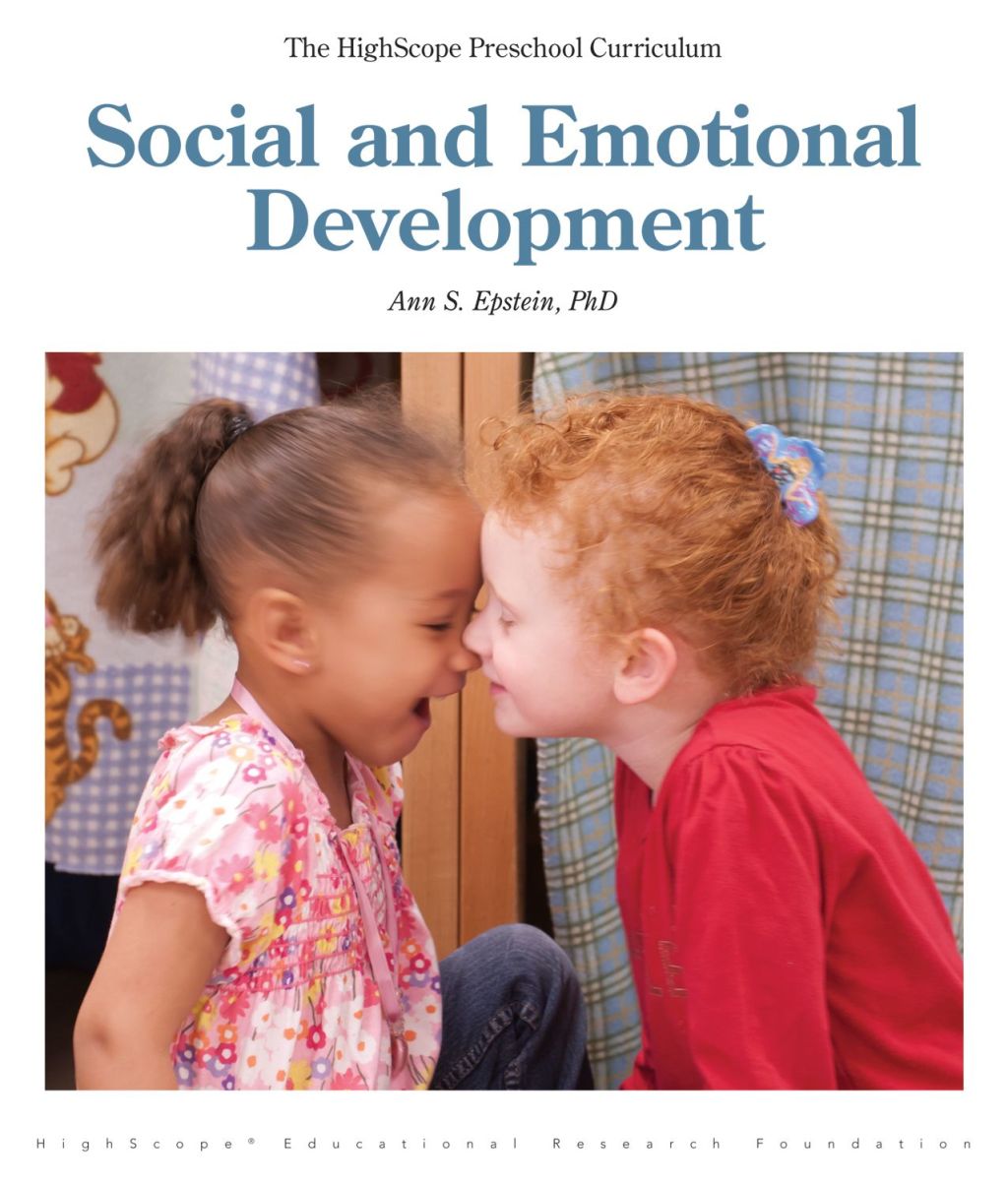
Social-emotional development is a crucial aspect of a child’s overall growth and well-being. It refers to the skills and abilities that enable individuals to understand and manage their emotions, build healthy relationships, and make responsible decisions. While traditional schooling often focuses solely on academic achievement, alternative schools prioritize social-emotional learning (SEL) as an integral part of the curriculum.
One key component of SEL is self-awareness. Alternative schools encourage students to explore their own emotions and develop an understanding of how their actions impact others. This involves recognizing strengths and weaknesses, identifying personal values, and cultivating a positive self-image.
Another important aspect is social awareness. Students learn empathy by considering different perspectives and understanding the feelings of others. They are taught to respect diversity, appreciate cultural differences, and engage in meaningful conversations with peers.
Furthermore, alternative schools promote responsible decision-making by teaching students problem-solving strategies. They learn how to evaluate consequences before taking action, consider ethical implications, and make choices that align with their values.
Alternative schools also emphasize relationship-building skills such as effective communication, active listening, collaboration, cooperation, conflict resolution techniques, and establishing healthy boundaries.
Through these intentional practices embedded in everyday learning experiences at alternative schools, children develop strong social-emotional skills that benefit them throughout life. These skills not only contribute to academic success but also help individuals navigate interpersonal relationships effectively while fostering emotional well-being.
 Alternative Amie
Leave a comment