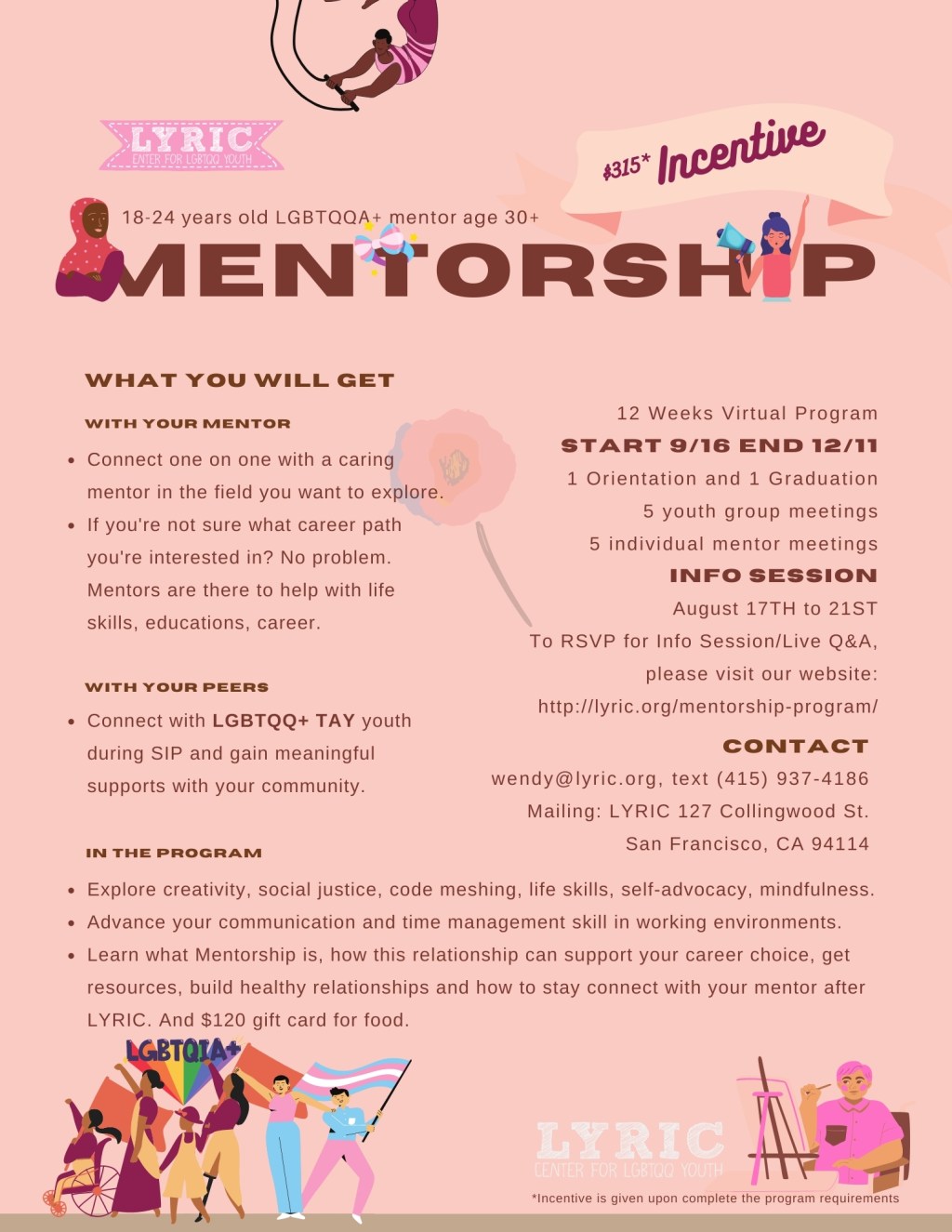
Mentorship programs play a crucial role in alternative schooling and education environments. They provide students with the guidance, support, and inspiration they need to thrive in non-traditional educational settings. Here are 20 different mentorship opportunities within the alternative schooling community that can make a significant impact on students’ lives.
1. Peer mentorship programs: These programs pair older or more experienced students with younger or less-experienced ones, fostering a sense of camaraderie and promoting leadership skills.
2. Mentorship for students with special needs: Trained mentors help these students navigate their unique challenges, providing personalized assistance and support.
3. Mentorship in project-based learning environments: Mentors guide students through hands-on projects, helping them develop critical thinking, problem-solving, and teamwork skills.
4. Mentorship for at-risk youth: Mentors serve as positive role models and offer guidance to help at-risk youth stay motivated and engaged in their education.
5. Mentorship for students transitioning from traditional schooling to alternative education: Mentors assist these students in adapting to new learning methods and environments, easing their transition process.
6. Mentorship in online or virtual learning settings: Online mentors provide remote guidance to ensure that virtual learners remain focused, motivated, and successful academically.
7. Mentorship for homeschooling families: Experienced homeschooling parents can mentor newcomers by sharing insights into curriculum choices, scheduling strategies, and overall homeschooling best practices.
8. Mentorship for students pursuing vocational or trade education: Industry professionals mentor aspiring tradespeople by providing real-world knowledge, practical advice, and networking opportunities.
9. Mentorship for students interested in entrepreneurship and startups: Seasoned entrepreneurs can guide young minds through the intricacies of business planning, marketing strategies, financial management aspects of starting a venture.
10. Cross-age mentorship programs within alternative schools: Older student mentors share knowledge across grade levels or age groups within an alternative school setting while fostering a sense of community.
11. Mentorship for students exploring creative arts and performance-based education: Mentors in the arts provide guidance, inspiration, and technical expertise to help students develop their artistic talents.
12. Mentorship for students interested in environmental sustainability and outdoor education: Environmental experts mentor students through hands-on experiences that promote ecological awareness and appreciation for nature.
13. Mentorship in community service and social justice initiatives within alternative schools: Mentors guide students in planning and executing meaningful service projects that address social issues within their communities.
14. Peer-to-peer mentorship for language acquisition and cultural exchange programs in alternative education settings: Native speakers or advanced language learners mentor peers by offering language practice sessions, cultural insights, and support.
15. Mentorship for students pursuing independent study or self-directed learning paths: Mentors assist these students with goal-setting, time management, resource selection, and accountability to ensure successful independent learning journeys.
16. Mentoring programs focused on college and career readiness within alternative schools: Mentors help students explore post-secondary options, navigate the application process, identify scholarships or apprenticeship opportunities, and build resumes.
17. Mentorship opportunities for parents/guardians of alternative school students: These programs offer support to parents by connecting them with experienced mentors who can provide guidance on homeschooling techniques or navigating non-traditional educational systems effectively.
18. Mentorship programs promoting mental health and well-being in alternative education environments: Trained mentors offer emotional support, coping strategies, stress management techniques to promote positive mental health among alternative school students.
19. Interdisciplinary mentorships connecting different subject areas within alternative schools: Cross-disciplinary mentors facilitate connections between subjects like science with art or math with music to foster creativity while reinforcing academic concepts across disciplines.
20. Online mentoring platforms specifically designed for the alternative schooling community featured on an Alternative Schooling website where educators can connect with mentors from various fields through a secure online platform tailored to meet the needs of alternative education settings.
In conclusion, mentorship programs within alternative schooling environments provide invaluable guidance, support, and inspiration to students. Whether it’s peer mentorship, specialized mentoring for students with unique needs or interests, or online platforms connecting educators with mentors from various fields – these programs play a vital role in empowering students to excel academically and personally.
 Alternative Amie
Leave a comment