Self-directed learning is a powerful approach to education that empowers individuals to take control of their own learning journey. Unlike traditional classroom settings, where teachers are the primary source of knowledge and instruction, self-directed learning allows students to become active participants in their own education. This method fosters independence, critical thinking skills, and a lifelong love for learning.
One of the key principles of self-directed learning is autonomy. Students have the freedom to choose what they want to learn, how they want to learn it, and at what pace. Instead of following a predetermined curriculum set by someone else, learners can explore their interests and passions while tailoring their educational experience according to their unique needs.
This personalized approach allows students to develop a deep sense of ownership over their education. They become more engaged in the learning process because they are studying topics that genuinely interest them. As a result, motivation levels increase significantly compared to traditional schooling methods where students often feel disconnected from what they are being taught.
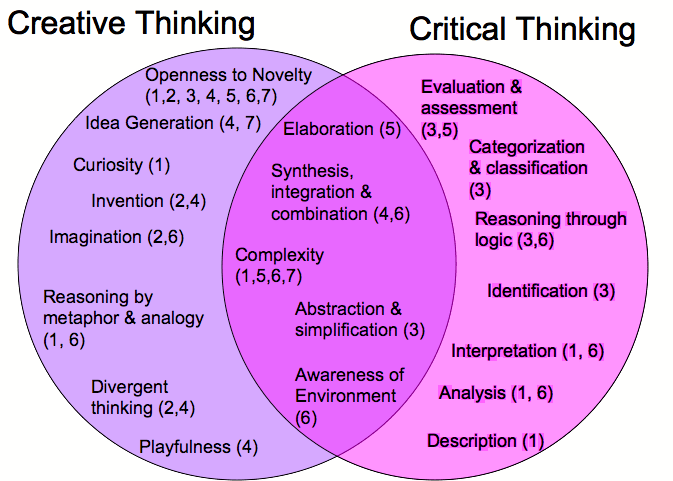
Another crucial aspect of self-directed learning is the emphasis on critical thinking skills. When students are given the responsibility for directing their own education, they must actively engage with information and evaluate its relevance and credibility. This promotes analytical thinking abilities as well as problem-solving skills – essential qualities needed in today’s rapidly changing world.
By encouraging independent thought and decision-making, self-directed learning also helps foster creativity among learners. Traditional classrooms often stifle creativity due to rigid structures and standardized testing requirements that prioritize rote memorization over innovative thinking. In contrast, self-directed learners have the flexibility to think outside the box and pursue unconventional approaches when solving problems or exploring new ideas.
Moreover, self-directed learning prepares individuals for lifelong learning beyond formal educational settings. In today’s fast-paced society filled with continuous technological advancements and evolving industries, being able to adapt quickly is vital for personal growth and professional success. Self-directed learners possess strong research skills coupled with a natural curiosity that enables them to stay up-to-date with the latest trends and developments in their field of interest.
Self-directed learning also promotes self-awareness and personal growth. As students take responsibility for their education, they gain a deeper understanding of themselves – their strengths, weaknesses, interests, and aspirations. This self-reflection fosters personal development by helping individuals identify areas where they need improvement or where they excel. It also allows them to set meaningful goals aligned with their values and passions.
While self-directed learning offers numerous benefits, it is important to acknowledge that this method requires a certain level of discipline and commitment from learners. Without the structure imposed by traditional classrooms, some individuals might struggle to maintain focus or develop effective time-management skills. However, these challenges can be addressed through proper guidance and support systems put in place by educators or mentors who facilitate the self-directed learning process.
To implement self-directed learning successfully, it is crucial to provide learners with resources and tools that enable independent exploration. Access to libraries, online databases, educational websites, mentorships programs, and community-based initiatives are essential components that support self-directed learners in their quest for knowledge.
Additionally, collaboration plays an integral role within the realm of self-directed learning. While students have control over their individual learning paths, opportunities for group work or peer discussions should be encouraged. Collaborative projects foster social skills like communication and teamwork while providing diverse perspectives on various topics.
In conclusion, self-directed learning empowers individuals by giving them autonomy over their education journey while promoting critical thinking skills and fostering creativity. This approach prepares students for lifelong learning beyond formal education settings while enhancing personal growth through increased self-awareness. With proper guidance and access to necessary resources,
self-directed learning can revolutionize traditional education paradigms by creating a generation of motivated learners equipped with essential 21st-century skills
 Alternative Amie
Leave a comment