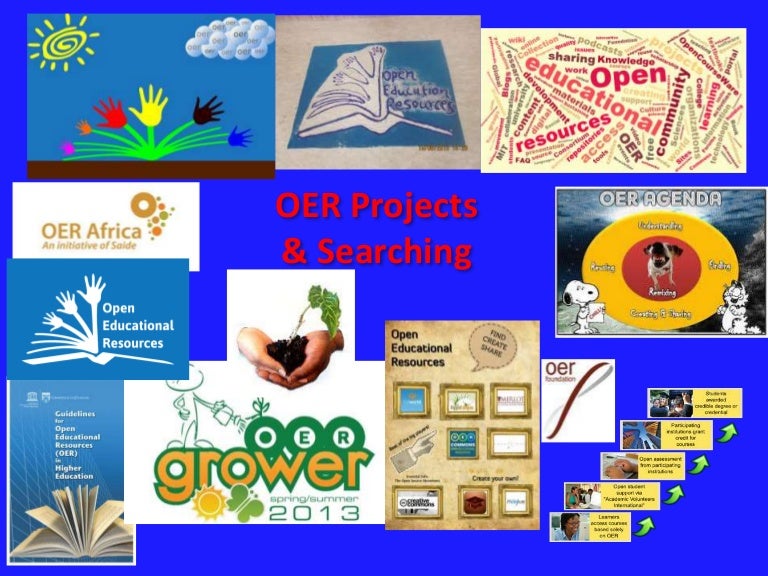
Collaborative Projects Using Open Educational Resources
In recent years, open educational resources (OER) have gained significant popularity in the field of education. OER are freely available learning materials that can be used, shared, and modified by educators and learners worldwide. One exciting way to leverage the power of OER is through collaborative projects. These projects encourage students to work together, fostering creativity, critical thinking, and problem-solving skills while utilizing a wide range of open resources.
In this article, we will explore the benefits of collaborative projects using OER and provide practical tips on how to implement them successfully in alternative schooling and education environments. Whether you are a teacher looking for innovative ideas or a student seeking engaging learning experiences, these collaborative projects offer an enriching educational journey.
1. Enhancing Learning Outcomes
Collaborative projects using OER promote active learning by encouraging students to become creators rather than mere consumers of knowledge. By working collaboratively on a project, students develop essential 21st-century skills such as communication, teamwork, and digital literacy. They also gain a deeper understanding of the subject matter through research and analysis while honing their critical thinking abilities.
2. Fostering Creativity
Open educational resources provide a wealth of content from various sources that can be utilized creatively in collaborative projects. Students can curate existing resources or create their own multimedia elements like videos, infographics, or interactive presentations to showcase their understanding of the topic at hand. This freedom allows them to tap into their creativity while constructing new knowledge.
3. Cultivating Digital Citizenship
Through collaborative projects using OER, students learn about ethical use and citation practices when incorporating external resources into their work. They understand the importance of respecting intellectual property rights and properly attributing sources within their creations. This cultivates good digital citizenship habits as they navigate the vast landscape of online information.
4. Encouraging Peer Feedback
Peer feedback plays a vital role in the process of collaborative projects. Students have the opportunity to critique and provide constructive feedback to their peers’ work, promoting a culture of continuous improvement. This not only enhances the quality of the final product but also fosters a sense of community and collective responsibility among students.
5. Promoting Global Collaboration
Collaborative projects using OER can transcend geographical boundaries and bring together students from different parts of the world. Through online platforms or video conferencing tools, learners can engage in joint projects, sharing diverse perspectives and cultural experiences. This global collaboration broadens their horizons while developing intercultural competence and empathy.
Now that we understand the benefits, let’s delve into some practical tips for implementing collaborative projects using open educational resources:
1. Define Project Goals: Clearly articulate the objectives of the project, ensuring they align with your curriculum or learning outcomes.
2. Choose Appropriate OER: Select open educational resources that are relevant to your project goals and cater to diverse learning styles.
3. Establish Roles: Assign specific roles within each group to ensure everyone has a defined purpose throughout the project.
4. Set Clear Expectations: Clearly communicate expectations regarding deliverables, timelines, and assessment criteria to foster accountability among students.
5. Provide Guidance on Copyright: Educate students about copyright laws and creative commons licenses so they can use external resources responsibly.
6. Facilitate Communication: Use digital tools like discussion forums, messaging apps, or video conferencing platforms for seamless communication between team members.
7. Encourage Reflection: Incorporate reflection activities throughout the project to help students analyze their progress, achievements, challenges faced, and lessons learned.
8. Celebrate Achievements: Recognize individual and group accomplishments by showcasing completed projects within school communities or sharing them on public platforms if appropriate consent is obtained from all participants involved.
9. Evaluate Collaborative Skills: Assess both individual contributions and collaborative skills demonstrated during the project through rubrics or self-assessment tools.
10. Encourage Continued Collaboration: Foster a culture of collaboration by providing opportunities for students to engage in further collaborative projects or initiatives beyond the initial assignment.
Collaborative projects using open educational resources offer an innovative approach to learning that empowers students and promotes active engagement. By harnessing the power of OER, educators can create dynamic learning environments where students become active participants in their own education. So, why not embark on a collaborative journey today and unlock the transformative potential of OER?
 Alternative Amie
Leave a comment