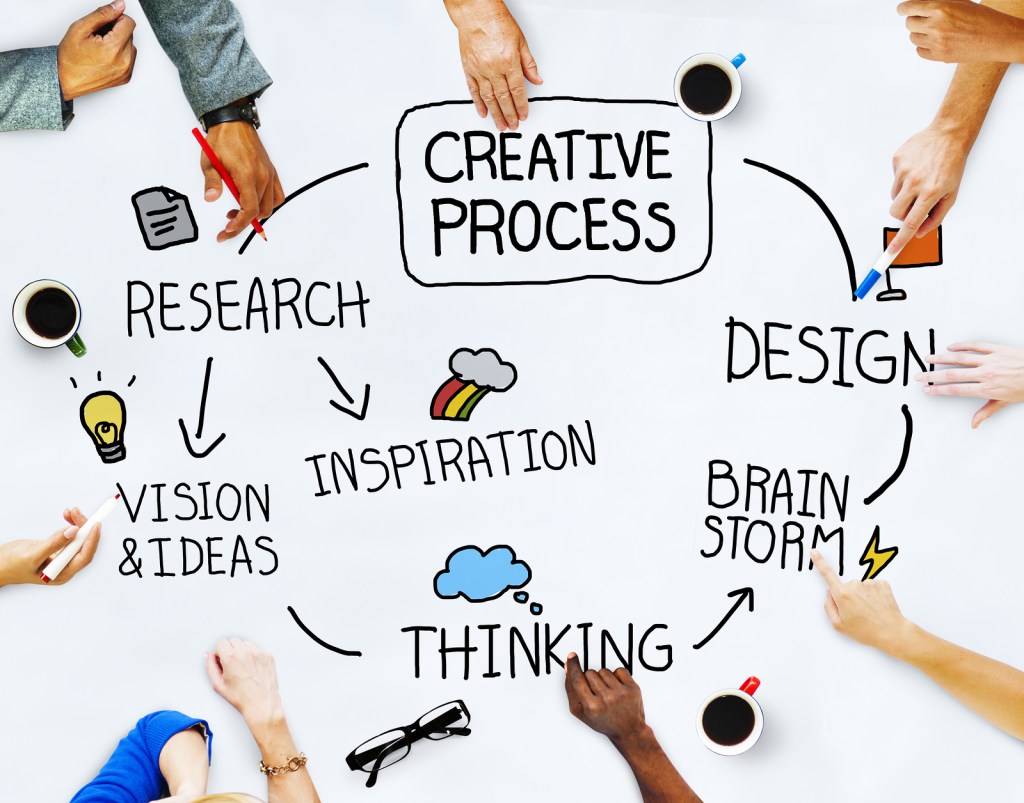
Creativity and innovation are two essential skills that play a crucial role in alternative schooling and education. In an ever-changing world, it is important to foster these abilities in students to prepare them for the challenges they may face in their personal and professional lives. By encouraging creativity and nurturing innovative thinking, alternative schools provide students with unique opportunities to explore their passions, think critically, problem-solve effectively, and ultimately become lifelong learners.
One of the key aspects of alternative schooling is its focus on individuality. Unlike traditional educational systems that often prioritize conformity, alternative schools celebrate diversity and encourage students to embrace their unique perspectives. This approach allows for a more inclusive environment where diverse ideas can flourish. By valuing every student’s creative input, alternative schools pave the way for unconventional thinking patterns that can lead to groundbreaking innovations.
Alternative education also emphasizes hands-on learning experiences as opposed to rote memorization or standardized testing. By engaging students in experiential learning activities such as project-based assignments, field trips, or real-world simulations, educators create spaces where creativity thrives naturally. When students have the freedom to explore topics of interest through practical applications rather than simply regurgitating information from textbooks, they develop a deeper understanding of the subject matter while simultaneously honing their imaginative skills.
Furthermore, many alternative schools implement interdisciplinary approaches that blur the boundaries between different subjects or academic disciplines. This integration allows for cross-pollination of ideas across various fields and encourages out-of-the-box thinking by fostering connections between seemingly unrelated concepts. Students are encouraged not only to think creatively within individual subjects but also to apply their knowledge from one area to another – a mindset essential for innovative problem-solving.
In addition to interdisciplinary approaches, alternative schooling often promotes collaboration among students through group projects or team-based activities. Collaboration fosters creative thinking by providing opportunities for brainstorming sessions and pooling together diverse perspectives and skill sets. Through collaboration with peers who may have different backgrounds or ways of approaching problems, students are exposed to new ideas and learn the value of teamwork – an essential skill for innovation in today’s interconnected world.
Lastly, alternative schools often prioritize the development of critical thinking skills. By encouraging students to question assumptions, challenge existing norms, and think critically about complex issues, these schools equip students with the ability to identify problems and seek innovative solutions. Critical thinking is closely intertwined with creativity and innovation because it requires individuals to evaluate information objectively, consider multiple perspectives, and propose unconventional ideas.
In conclusion, creativity and innovation are at the core of alternative schooling and education. By fostering individuality, providing hands-on learning experiences, integrating interdisciplinary approaches, promoting collaboration among students, and prioritizing critical thinking skills, alternative schools cultivate an environment where creativity can flourish. These institutions understand that nurturing imagination is not only crucial for personal growth but also essential for preparing future generations to tackle the challenges of a rapidly changing world.
 Alternative Amie
Leave a comment