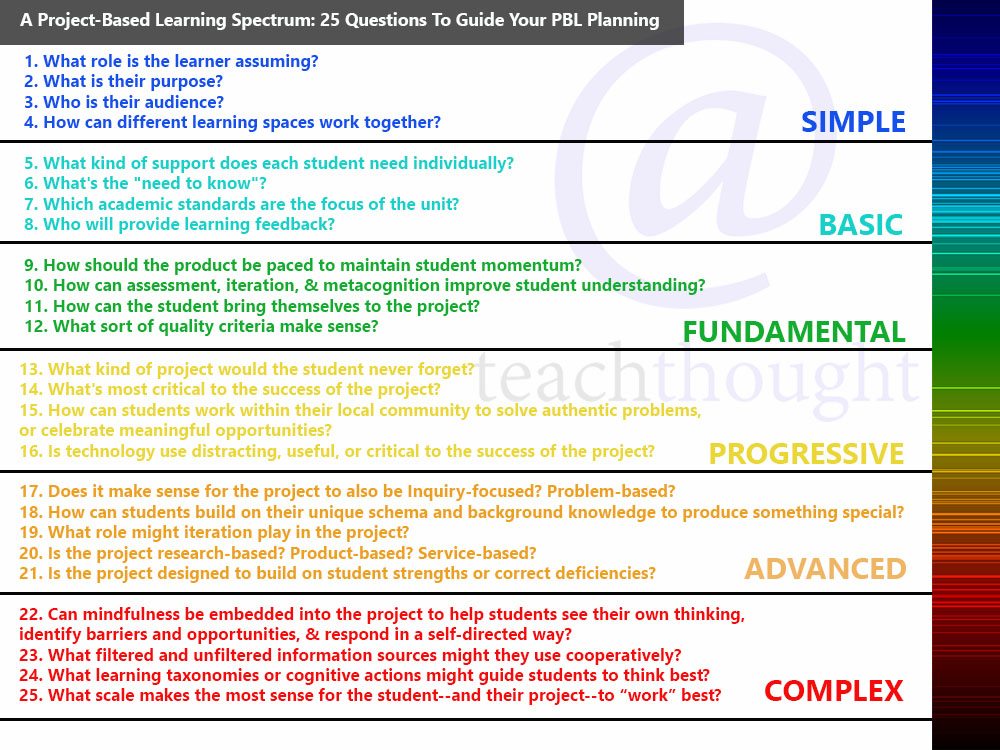
Emphasis on creativity and critical thinking skills development is a crucial aspect of alternative schooling and education. These skills are essential for preparing students to thrive in the 21st-century workforce, which increasingly values innovation and problem-solving abilities.
1. Project-Based Learning: Alternative schools often utilize project-based learning methods that encourage students to think critically and creatively. By engaging in hands-on projects, students develop problem-solving skills as they work through challenges and find innovative solutions.
2. Artistic Expression: Incorporating arts into the curriculum allows students to explore their creativity while developing critical thinking skills. Visual arts, music, drama, and dance provide opportunities for self-expression and experimentation, fostering imagination and originality.
3. Open-Ended Questions: Alternative schools promote critical thinking by encouraging open-ended discussions where there may not be one right answer. This approach helps students learn how to analyze situations from multiple perspectives, evaluate evidence, make informed decisions, and express their opinions effectively.
4. Collaborative Learning: Emphasizing group work encourages collaboration among students from diverse backgrounds with varying ideas. Through teamwork exercises or projects requiring different skill sets, learners cultivate creative problem-solving abilities while appreciating different viewpoints.
5. Experiential Learning: Alternative schools often prioritize experiential learning opportunities such as field trips or internships that expose students to real-world situations beyond textbooks. These experiences enable them to apply theoretical knowledge practically while nurturing their creativity in finding innovative solutions.
6. Critical Analysis of Media: Teaching media literacy helps develop critical thinking by enabling students to evaluate information sources critically. They learn how media can shape perceptions and biases, empowering them to question assumptions and form well-rounded opinions based on evidence.
7.Storytelling Activities: Narrative-focused activities like storytelling or creative writing foster imaginative thinking while enhancing critical analysis skills as learners construct coherent narratives or develop complex characters within a plot structure.
8.Problem-Solving Challenges: Engaging in puzzle-solving activities or riddles encourages critical thinking and creativity simultaneously. These challenges require students to think outside the box, consider multiple perspectives, and develop novel approaches to reach a solution.
9. Entrepreneurship Education: Alternative schools often incorporate entrepreneurship education, where students learn how to identify problems in their communities and develop innovative solutions. This approach nurtures creativity while instilling critical thinking skills necessary for identifying market opportunities.
10. Reflection and Self-Evaluation: Incorporating regular reflection exercises allows students to evaluate their learning processes critically. By encouraging self-assessment of strengths, weaknesses, and areas for improvement, alternative schools cultivate a growth mindset that values creative problem-solving as an ongoing process.
By emphasizing creativity and critical thinking skills development, alternative schooling equips students with invaluable tools for success in today’s rapidly evolving world. These approaches foster innovation, resilience, adaptability, and the ability to navigate complex challenges effectively.
 Alternative Amie
Leave a comment