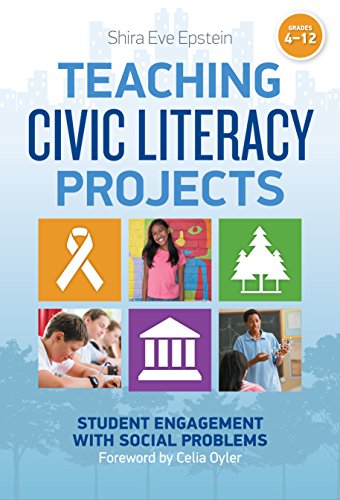
Civic engagement is a vital aspect of education that empowers students to actively participate in their communities, making a positive impact on society. It goes beyond the traditional classroom setting, allowing students to learn and apply real-world skills that help shape their character and values. Alternative schooling and education play a crucial role in promoting civic engagement by providing innovative approaches that encourage student involvement and community service.
One way alternative schools promote civic engagement is through project-based learning (PBL). PBL allows students to work collaboratively on projects that address real-life issues within their communities. By identifying problems, conducting research, and implementing practical solutions, students develop critical thinking skills while simultaneously engaging with local organizations or individuals affected by these issues.
For example, an alternative school might task its students with creating a sustainable garden on campus. This project not only teaches environmental awareness but also encourages collaboration among peers as they work together to design the garden layout, select plants suitable for the climate, and maintain it over time. The end result is not only a beautiful green space but also an opportunity for students to engage with nature while contributing positively to their school environment.
Another way alternative schools foster civic engagement is through service-learning programs. These initiatives combine academic study with community service activities where students can directly apply what they have learned in class to benefit others around them. Service-learning encourages empathy, builds relationships between schools and communities, and enhances student understanding of social issues.
In an alternative school setting, service-learning might involve partnering with local nonprofits or government agencies to address specific needs within the community. Students could volunteer at homeless shelters or food banks, organize fundraisers for charitable causes or even create educational materials for underprivileged children. Through these experiences, learners gain a deeper appreciation for societal challenges while developing leadership skills and fostering compassion towards others less fortunate than themselves.
Alternative schools also recognize the importance of youth voice in decision-making processes within the educational system itself as well as broader policy discussions impacting their communities. By empowering students to participate in these conversations, alternative schools encourage them to become active citizens who shape the future.
One way alternative schools achieve this is by establishing student councils or advisory boards where students can voice their opinions on school policies and initiatives. These platforms provide an opportunity for students to engage in dialogue with teachers, administrators, and even parents, creating a sense of ownership and responsibility within the educational community.
Furthermore, some alternative schools go beyond internal decision-making processes and encourage students to participate in local government meetings or community forums. This involvement allows young people to witness firsthand how decisions are made at the municipal or county level and empowers them to advocate for issues that matter most to them. Whether it’s testifying about environmental concerns or proposing youth-centered policies, these experiences instill a sense of agency and civic duty among students.
In conclusion, alternative schooling and education play a pivotal role in promoting civic engagement among students. Through project-based learning, service-learning programs, and opportunities for student voice in decision-making processes, learners develop important life skills while actively contributing to their communities. By fostering empathy, critical thinking abilities, leadership qualities, and a sense of social responsibility from an early age – alternative schools equip young individuals with the tools they need to become engaged citizens who positively impact society now and in the future.
 Alternative Amie
Leave a comment