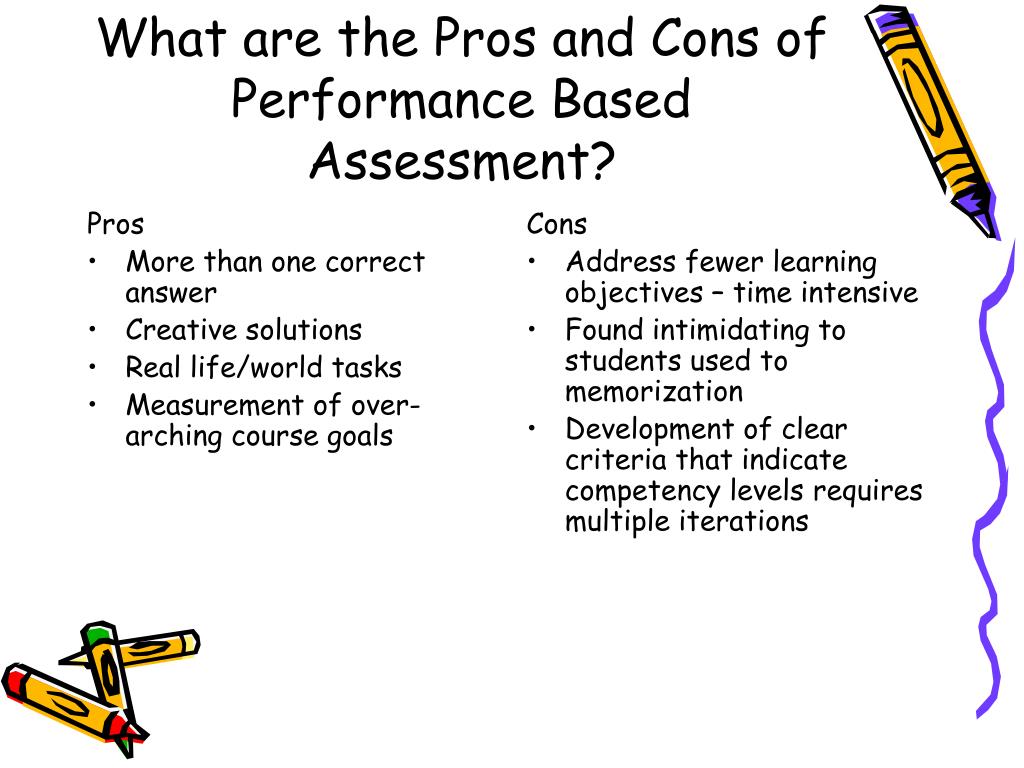
Performance-based assessment (PBA) is a method of evaluating students’ knowledge, skills, and abilities by observing their real-world application in a specific context. Unlike traditional forms of testing that rely on multiple-choice questions or written responses, PBA focuses on measuring how well students can perform tasks or solve problems in authentic situations. This approach to assessment has gained popularity in alternative schooling and education systems due to its ability to provide a more comprehensive understanding of students’ abilities.
One of the key advantages of performance-based assessment is its emphasis on practical skills. By requiring students to apply what they have learned in meaningful ways, PBAs go beyond rote memorization and encourage critical thinking and problem-solving abilities. For example, instead of answering questions about mathematical formulas, a PBA might ask students to design a budget for an event or analyze data sets for trends.
Another benefit of PBA is its ability to assess complex learning outcomes that are difficult to measure through traditional tests. Many alternative education models prioritize holistic development, including social-emotional skills such as teamwork, communication, and resilience. Performance-based assessments provide opportunities for students to demonstrate these skills in action rather than merely describing them on paper.
Moreover, PBAs promote student engagement by making assessments relevant and meaningful. When tasks are designed around real-life scenarios or issues that resonate with learners’ interests and experiences, they become more motivated to invest time and effort into their work. This increased engagement not only enhances learning but also fosters intrinsic motivation as students see the purpose behind their efforts.
In addition to benefiting individual learners, PBAs also contribute positively towards building inclusive learning environments. Traditional exams often disadvantage certain groups based on factors like test anxiety or language barriers. In contrast, performance-based assessments offer diverse ways for demonstrating competence which accommodate various learning styles and preferences. Students who may struggle with written exams can excel when given the opportunity to showcase their knowledge through hands-on activities or presentations.
Furthermore, PBAs have the potential to foster authentic collaboration and peer learning. Many performance-based assessments involve group projects or presentations, which encourage students to work together, share ideas, and learn from one another. This collaborative approach not only enhances academic skills but also cultivates important interpersonal skills necessary for success in the modern workplace.
While PBA offers numerous benefits, it is not without its challenges. Designing and implementing effective performance-based assessments can be time-consuming for educators. Assessors must carefully plan tasks that align with curriculum goals and provide clear evaluation criteria to ensure consistency in scoring across different students.
Additionally, evaluating PBAs requires more nuanced approaches compared to traditional testing methods. Teachers need training on how to assess complex performances fairly and reliably, which may involve developing rubrics or using calibrated scoring techniques. Ensuring consistent and valid assessment practices is crucial to maintain the credibility of PBAs as reliable measures of student achievement.
In conclusion, performance-based assessment provides a valuable alternative to traditional testing methods in alternative schooling and education systems. By focusing on practical skills, promoting engagement, accommodating diverse learners’ needs, fostering collaboration, and assessing complex learning outcomes thoroughly – PBAs offer a more comprehensive understanding of students’ abilities beyond memorization and regurgitation of facts. However, careful planning and training are essential for successful implementation while ensuring reliability in evaluating student performances through this method.
 Alternative Amie
Leave a comment