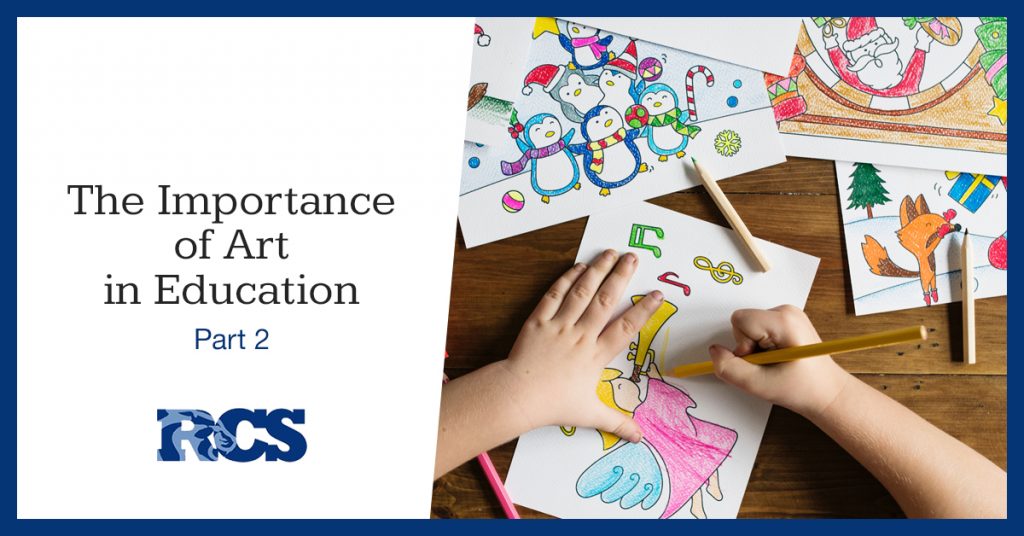
As parents and educators, we understand the importance of providing a well-rounded education for our children. While traditional academic subjects like math and science are essential, it’s equally important to nurture their artistic abilities. Arts education not only helps children develop creativity and self-expression but also enhances critical thinking skills and boosts their overall cognitive development.
One alternative approach to arts education is through alternative schooling and education methods. These methods emphasize interdisciplinary learning, hands-on experiences, and personalized instruction to foster a deeper understanding of the arts in students. Let’s explore some of these methods that can help cultivate an appreciation for the arts among young learners.
1. Project-Based Learning:
Project-based learning (PBL) encourages students to investigate real-world problems or topics within an artistic context. By engaging in hands-on projects, students actively participate in the creative process while incorporating various art forms such as painting, sculpture, music, or theater into their work. PBL allows students to explore their interests while developing problem-solving skills and collaborating with peers.
2. Experiential Learning:
Experiential learning immerses students in direct artistic experiences outside the classroom setting. This could involve field trips to museums, galleries, theaters, or even inviting artists into schools for interactive workshops or performances. These experiences provide opportunities for students to engage with professional artists directly and gain insights into different art forms while igniting their passion for creativity.
3. Integrated Curriculum:
Integrating arts into other academic subjects fosters cross-disciplinary connections that enhance both areas of study simultaneously. For example, teachers can incorporate music into history lessons by exploring historical periods through songs or teach geometry concepts using visual art techniques like perspective drawing. By intertwining different disciplines with arts education, students develop a more holistic understanding of various subjects.
4. Individualized Instruction:
Alternative schooling often emphasizes individualized instruction tailored to each student’s strengths and interests through personalized learning plans (PLPs). In the context of arts education, this approach allows students to explore different artistic mediums and techniques based on their unique preferences and abilities. By encouraging self-expression, alternative schooling methods nurture students’ creativity while building their confidence in the arts.
5. Community Engagement:
Engaging with the local community is an integral part of alternative schooling and education. Schools can collaborate with local artists, cultural organizations, or community centers to provide students with opportunities for artistic expression outside the classroom. This could involve participating in community art projects, organizing exhibitions or performances, or even contributing to public murals or installations. These activities not only foster a sense of belonging but also expose students to diverse artistic perspectives.
In conclusion, incorporating arts education into alternative schooling and education provides numerous benefits for young learners. By utilizing project-based learning, experiential learning experiences, integrated curriculum approaches, individualized instruction plans, and community engagement initiatives; educators can help cultivate a lifelong appreciation for the arts among students while fostering their creativity and critical thinking skills. So let’s embrace these alternative methods that empower children to explore their artistic talents while receiving a well-rounded education!
 Alternative Amie
Leave a comment