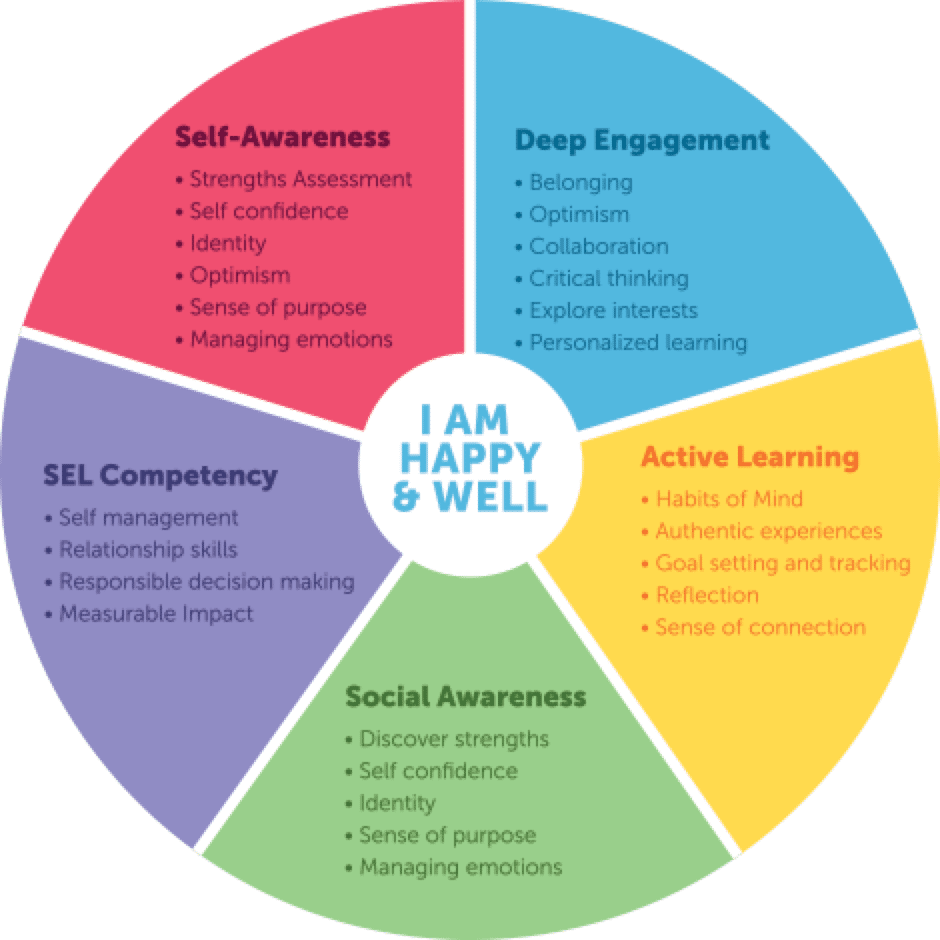
Blended learning has become increasingly popular in alternative education settings, as it offers a flexible and personalized approach to learning. In this article, we will explore the benefits of blended learning and discuss various strategies that can be implemented to enhance the educational experience for students in alternative schools.
One of the key advantages of blended learning is its ability to provide personalized instruction. By combining online resources with face-to-face interactions, teachers can tailor their lessons to meet the unique needs of each student. This individualized approach allows students to work at their own pace and focus on areas where they need additional support or enrichment.
Gamification is another effective strategy that can be used in alternative education settings. By incorporating game elements into the curriculum, such as points, levels, and badges, educators can create a more engaging and motivating learning environment. Gamification encourages students to actively participate in their own education and promotes healthy competition among peers.
Project-based learning is also well-suited for a blended learning environment. By assigning real-world projects that require students to apply what they have learned, educators can foster critical thinking skills and encourage creativity. Project-based learning promotes collaboration and problem-solving abilities while providing an opportunity for students to showcase their talents.
Differentiated instruction strategies are essential in a blended classroom setting. Teachers must assess each student’s strengths and weaknesses and adapt their teaching methods accordingly. By using a variety of instructional techniques, such as visual aids, hands-on activities, group work, or one-on-one instruction, teachers can ensure all learners are supported.
Social-emotional learning (SEL) plays an important role in alternative schooling through blended approaches. Blended classrooms provide opportunities for students to develop self-awareness, empathy, decision-making skills while working collaboratively with others online or offline platforms.
Assessments and feedback are crucial components of any educational model but take on added significance in a blended learning context. Educators should use a variety of assessment types – including formative assessments, quizzes, and projects – to gauge student understanding and progress. Timely feedback is essential in helping students reflect on their learning and make necessary improvements.
Flipped classrooms have been a game-changer in alternative education. In a flipped classroom model, students learn the content at home through online resources or video lectures and then come to class ready to engage in discussions, problem-solving activities, or collaborative projects. This approach allows for more individualized attention during face-to-face sessions.
Culturally responsive teaching is vital in blended learning settings as it recognizes and values the diversity of students’ backgrounds and experiences. Educators should design instruction that reflects the cultural identities of their students while promoting inclusivity and respect for all.
Virtual reality (VR) offers immersive learning experiences that can greatly benefit students in alternative schools. By using VR technology, educators can transport students to different times, places, or environments to enhance their understanding of various subjects.
Blended learning can also be tailored to meet the needs of students with special needs or disabilities. By incorporating assistive technologies and providing additional support when needed, educators can create an inclusive environment where all learners can thrive.
Peer collaboration and cooperative learning are critical components of a blended classroom setting. Through online discussion forums or group projects, students have opportunities to share ideas, perspectives, and work together towards common goals.
Supporting student autonomy and self-directed learning is an important aspect of alternative education through blended approaches. Teachers should foster independence by allowing choices within assignments/projects while providing guidance whenever necessary.
Integrating arts and creativity into blended learning environments enhances engagement among alternative schoolers by offering diverse ways for expression within projects/assignments involving visual arts/music/dance/theater etc., thus nurturing holistic development.
Addressing equity and access issues is crucial when implementing blended models in alternative schooling contexts. Schools must ensure that all students have equal access to technology resources both at schooland home so that no one is left behind due to economic or social disparities.
The role of technology integration coaches or specialists is crucial in supporting blended learning initiatives. These professionals can provide guidance and training to teachers, troubleshoot technical issues, and help develop effective instructional strategies that incorporate technology.
Building strong parent-teacher partnerships is paramount in a blended classroom setting. Regular communication, including parent-teacher conferences and progress reports, helps keep parents informed about their child’s academic progress and allows for collaborative problem-solving.
Professional development opportunities for teachers implementing blended learning strategies are essential. School administrators should provide ongoing training and support to ensure educators have the necessary skills and knowledge to effectively utilize blended learning approaches.
Balancing screen time with offline activities is important for the overall well-being of students in a blended educational setting. Educators must design a balanced curriculum that incorporates both online and offline activities, ensuring students have ample opportunities for physical activity, creativity, and social interactions.
Using data analytics to inform instructional decisions enables personalized learning experiences based on individual student needs. By analyzing student performance data from online assessments or assignments, teachers can identify areas where additional support may be required or tailor instruction accordingly.
Incorporating mindfulness practices into a blended curriculum promotes emotional well-being among alternative schoolers. Mindfulness exercises such as deep breathing techniques or short meditation breaks can help reduce stress levels, enhance focus, and improve overall mental health.
Promoting digital citizenship and online safety skills within a blended environment is essential in preparing students for the digital world. Educators should teach responsible internet use, proper etiquette when interacting online,and how to protect personal information while using various digital tools/platforms securely.
Implementing flexible scheduling options accommodates diverse student needs in alternative education settings. Blended models allow for customized schedules that cater to part-time employment commitments,family responsibilities/obligations,special interests/hobbies etc., thereby promoting work-life balance
Exploring open educational resources (OER) as part of the curriculum design enhances the availability of quality learning materials in alternative schools. OER provides free, openly licensed resources that can be adapted to suit the unique needs of students in blended learning environments.
Designing effective online discussion forums or platforms fosters student engagement and critical thinking skills. Educators must create a safe and inclusive space where students feel comfortable expressing their thoughts, ideas, and opinions while encouraging respectful dialogue among peers.
Leveraging social media tools for collaborative projects or community engagement opportunities within an alternative education context can expand students’ networks beyond the classroom walls. Students can connect with experts, share their work with authentic audiences, or collaborate with individuals from diverse backgrounds.
Blended learning requires strong parent-teacher partnerships to support student success. Regular communication, collaboration on strategies at home and school,and joint problem-solving efforts ensure consistency and continuity in student learning experiences.
Professional development opportunities for teachers implementing blended learning strategies are crucial to ensure they have the necessary knowledge and skills to effectively integrate technology into instruction. Workshops, conferences, online courses,and mentoring programs help educators stay abreast of emerging trends and best practices.
Balancing screen time with offline activities is critical for maintaining a healthy lifestyle for students engaged in blended educational settings. Schools should establish guidelines regarding device usage during breaks/lunchtime/after-school hoursand encourage physical activity,hands-on projects/creative pursuits,to promote overall well-being
Using data analytics enables educators to make informed instructional decisions based on individual student performance data available through various assessment tools/platforms. This allows teachers to personalize instruction according to each student’s strengths and weaknesses,fostering academic growth
Incorporating mindfulness practices into a blended curriculum encourages self-awareness,stress reduction,focus enhancement,and emotional regulation among alternative schoolers.To incorporate mindfulness,pause/breathing exercises or short meditation breaks can be included throughout the day
Promoting digital citizenship within a blended environment is essential as it prepares students for responsible use of technology.Educators should teach proper internet etiquette,online safety measures,and how to navigate the digital world responsibly.
Implementing flexible scheduling options in alternative education settings accommodates diverse student needs. Blended learning models allow for customized schedules that can accommodate part-time employment,family responsibilities,special interests/hobbies,or other commitments, thereby promoting work-life balance
Exploring open educational resources (OER) in blended learning environments provides a wealth of free and adaptable resources that can be tailored to meet the unique needs of students in alternative schools. OER allows educators to access high-quality materials while ensuring equitable access for all learners.
Designing effective online discussion forums or platforms fosters student engagement and critical thinking skills. Online discussions provide opportunities for students to express their thoughts, engage in respectful debates,and collaborate on projects with peers from different backgrounds/locations
Leveraging social media tools within an alternative education context encourages collaboration and community engagement beyond the traditional classroom setting.Students can use social media platforms to connect with experts,share their work with authentic audiences,and collaborate with individuals globally
 Alternative Amie
Leave a comment